St. Kateri Tekakwitha

Standard

Today is St. Kateri Tekakwitha’s Feast Day. This year marks the special occasion of the 350th anniversary of St. Kateri’s baptism here in New York. On Thursday, I’ll have a special travel edition with information on visiting her shrine for her feast day weekend happening in a few days.

In the meantime, I’m announcing a new page here on the website called Traveling with St. Kateri Tekakwitha found here. I wanted to celebrate and commemorate her baptismal anniversary while also including some of my visits to her spaces and the Mohawk lands as well as some of my research adventures as I write the book about her and her shrines.

A little something about St. Kateri:

  1. She was born in 1656 in what is known as the Mohawk Valley region of New York State. Her father was a Mohawk chief and her mother an Algonquin Christian.
  2. When she was about four, both of her parents and her younger brother died from smallpox. She contracted smallpox and survived with lifelong health ailments, a frail constitution, and semi-blindness.
  3. She was adopted by her uncle and was raised in the  Turtle clan longhouse.
  4. When she was ten, the village moved across the Mohawk River and formed the village of  Caughnawaga. This site is the only fully excavated Iroquois site in the world. In 1666/1667, the Jesuits came to convert the Native population. They were allowed into the village as part of the peace treaties signed with the French government.
  5. Kateri was baptized on Easter Sunday, April 5, 1676 by Fr. Jacques de Lamberville.
  6. In the fall of that year, she left the Mohawk Valley to live with her sister and brother-in-law in Kahnawake, a Mohawk/Jesuit village along the St. Lawrence River in what was known then as New  France and known today as southern Quebec.
  7. At Christmas of that year, she received her First Communion.
  8. Despite being denied joining or forming a religious order, she formed a sisterhood with two other women and in 1679 took a vow of perpetual virginity, consecrating herself to Jesus, the son of Mary.
  9. She died April 17, 1680. Her smallpox scars cleared up and she was in what was called the odor of sanctity.
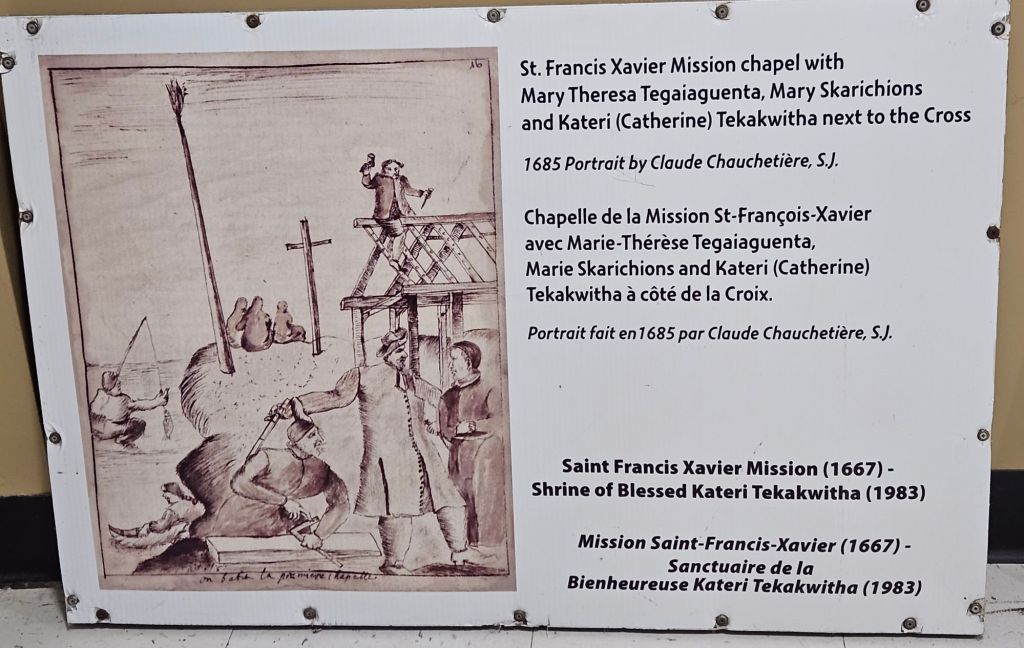
  10. The sketch below was done from memory by one of her spiritual directors, Fr. Claude Chauchetiere, SJ in 1685, five years after her death. She and her two companions watch as the mission chapel is being built.

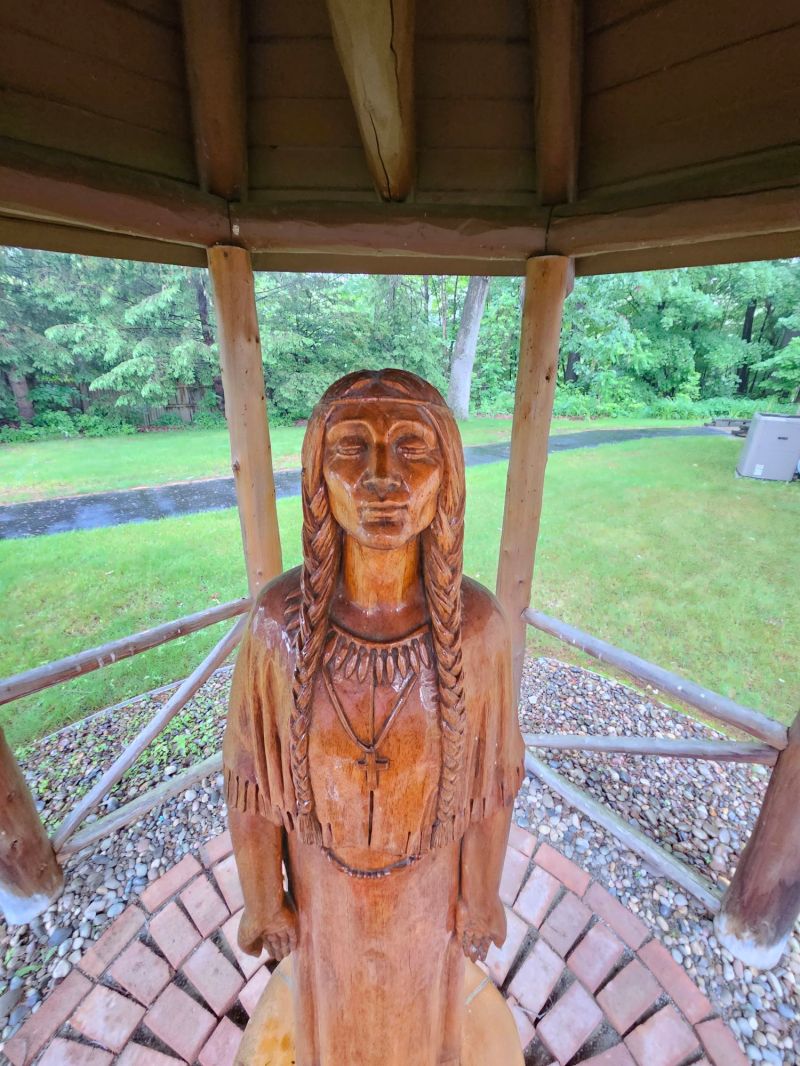
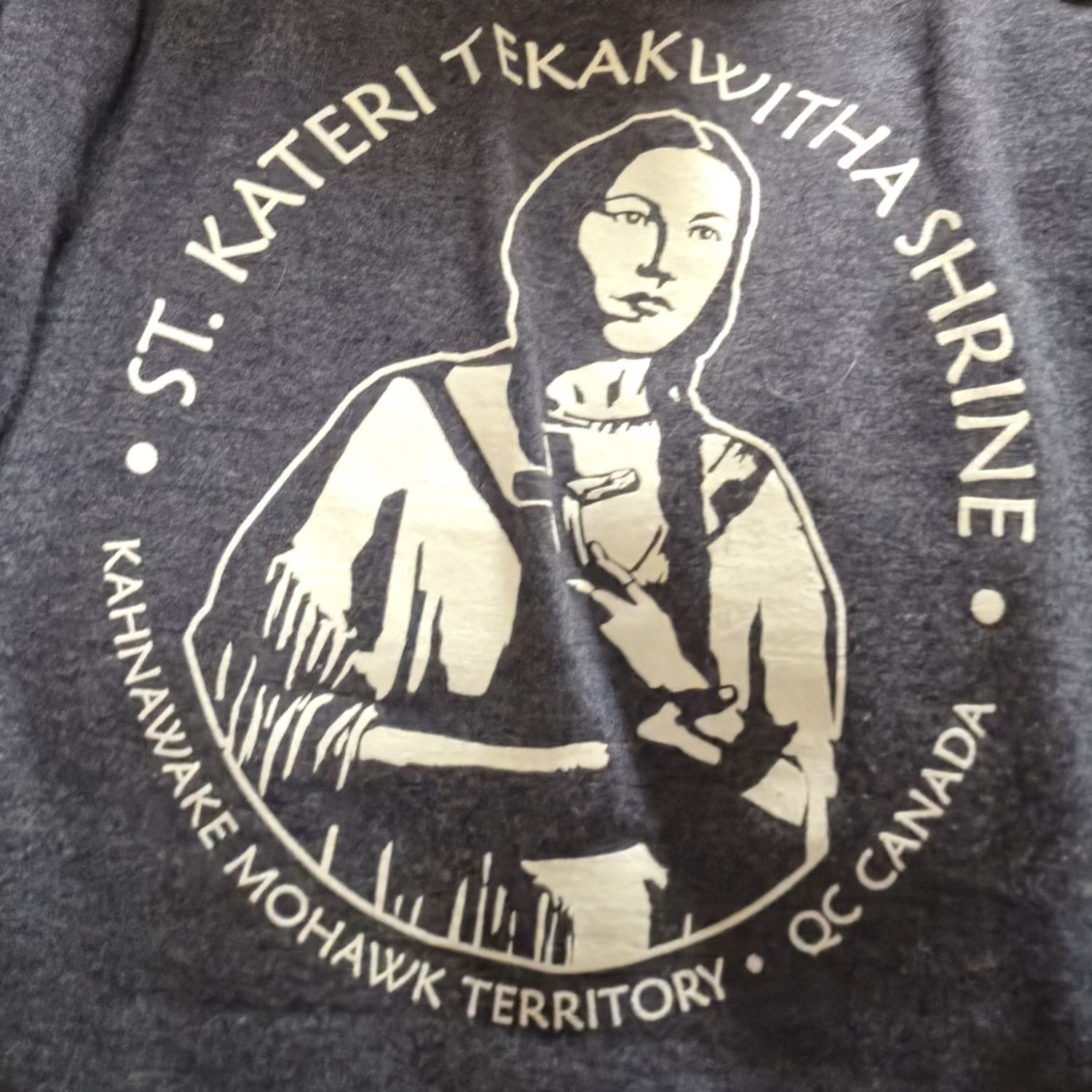
The topmost photo is of the statue at the shrine at Sacred Heart Roman Catholic Church in Lake George, NY. The simplicity and elegance of the wood carving is an inspiration in my devotion to St. Kateri as well as the spiritual, sacred feeling it evokes when I visit it.

Friday Food – An Inspiration

Standard

Strawberry Festivals

While I know something of Native American culture, in writing my current book, I’ve discovered so much more, and it excites and inspires me. June is an important month in the Native American calendar, especially for the Haudenosaunee, as it is the season of strawberries. In addition to the three sisters (corn, beans, and squash), strawberries are a significant part of the culture, food source, and creation story. They are the first fruits of spring, and a leader of the berries. They are singled out for thanksgiving in the welcoming address before ceremonies.

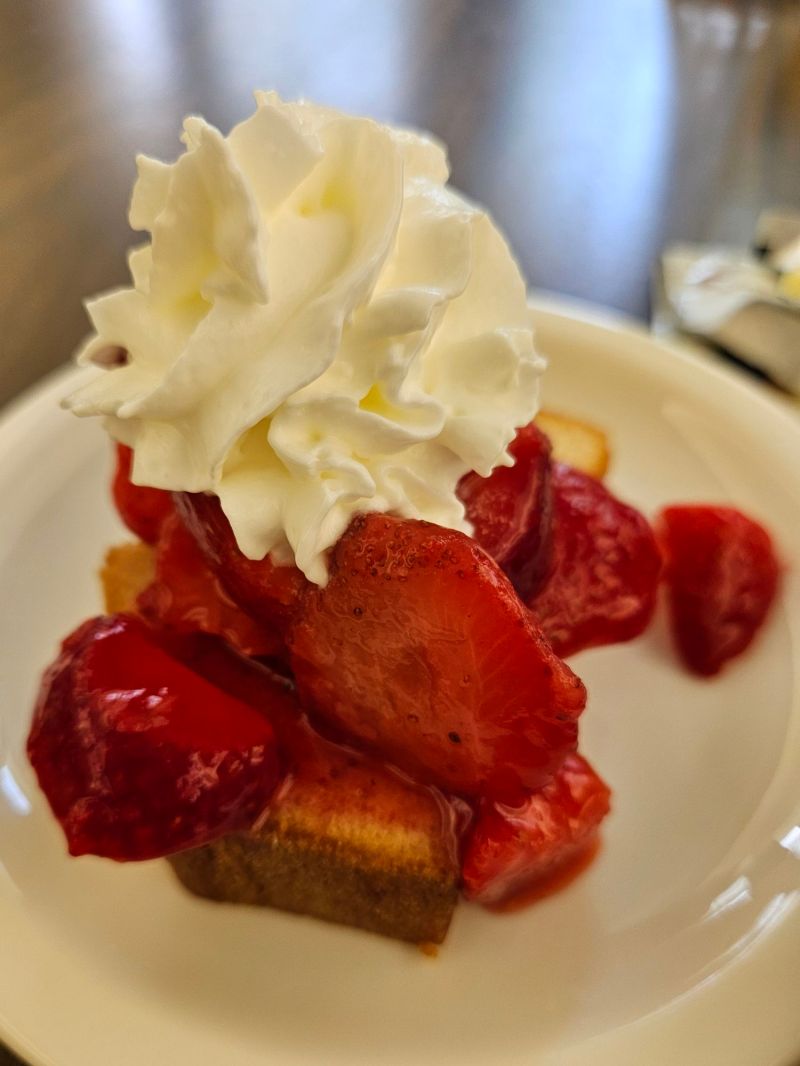
Strawberries are sweet and tart, red and juicy. They can be enjoyed on their own or in other foods, mixed into salads, pureed into ice cream or yogurt, sat atop cakes or baked right in. They are refreshing and if you’re lucky, plentiful in June.

There are two Strawberry Festivals that you should know about happening in the next few weeks:

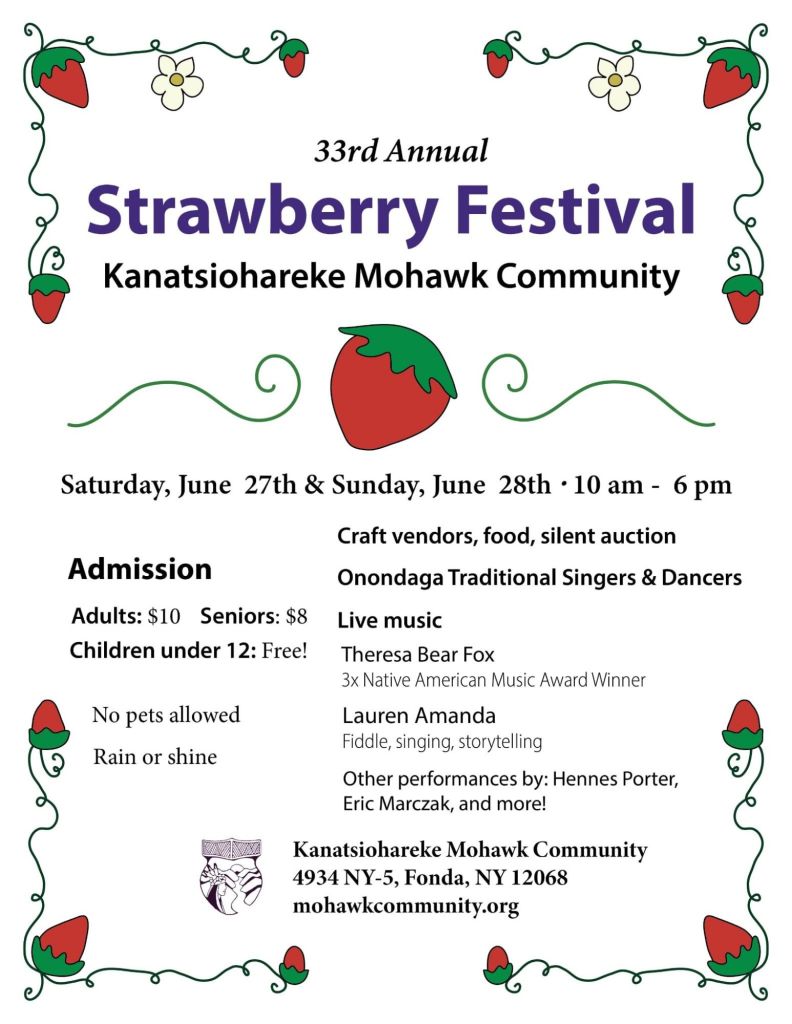
The 33rd Annual Strawberry Festival at the Kanatsiohareke Mohawk Community west of Fonda, New York on Saturday, June 27 and Sunday, June 28, and

The 11th Annual Kahnawa:ke Strawberry Food Fest just over the border in Kahnawake, Quebec, in southern Canada on Saturday, June 20, 2026.

Both events are filled with strawberry goodness, Haudenosaunee Mohawk culture, Native music and dancers, and much more! Check their flyers and websites for admission prices.

If you are in Fonda, stop by up the road and visit the St. Kateri Tekakwitha: National Shrine & Historic Site, celebrating the 350th anniversary of St. Kateri’s baptism on the site. She is the first North American Native Saint canonized by the Catholic Church.

If you decide on Kahnawake, don’t forget your passport for the border! You can also visit the Canadian National Shrine for St. Kateri where her relics are entombed. Contact the Kahnawake Tourism also to set up a tour of the village which sits on the St. Lawrence Seaway.