Sweetgrass

Standard

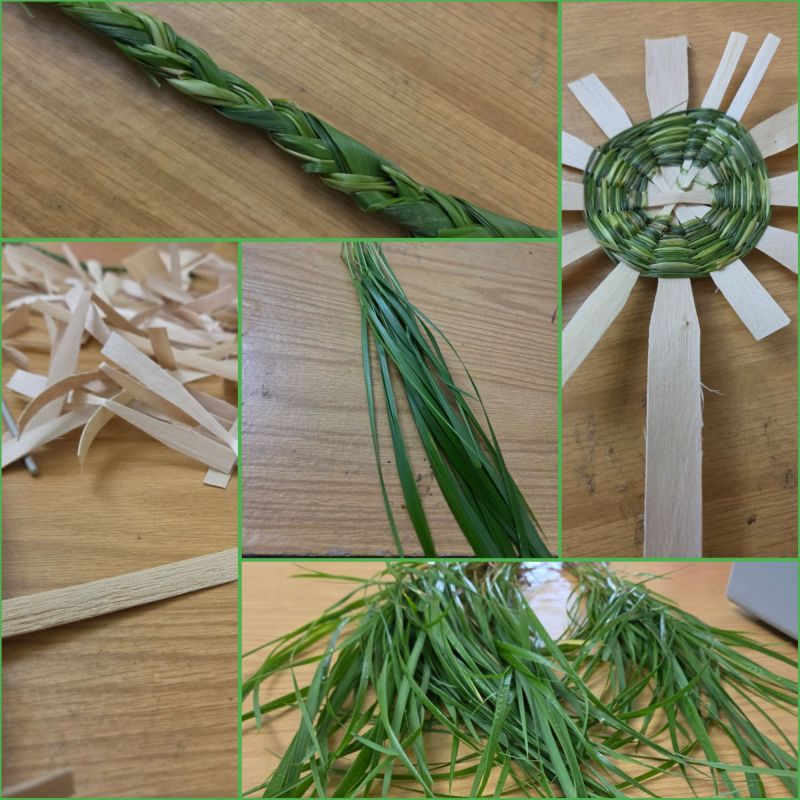
A few weeks ago, I spent a couple of hours at the St. Kateri Shrine and Historic Site braiding sweetgrass for their gift shop. Sweetgrass is one of the four sacred plants of the Haudenosaunee and it is used along with cedar, sage, and tobacco in their sacred ceremonies. The shrine grows it there among other native-to-the-land plants. I tried to describe the sweet smell of it and all I could come up with is that it smells like sweet grass. Not grass clippings, or freshly mowed; it’s different, but that’s as far as my olfactory vocabulary would cooperate.

During St. Kateri’s weekend, they had a sweetgrass demonstration that I participated in with one of the elders from Akwesasne, one of the Mohawk communities in upstate New York, on the border with Canada. She showed us how to pick and clean the blades and then we braided some and she taught us how to make a bookmark.

The materials couldn’t be simpler, although I couldn’t tell you where to source them: wood splints – these are shaved birch bark, I believe and freshly grown sweetgrass. You’ll need a bucket of water as the sweetgrass is easier to manipulate when it’s moist. You will love the smell that permeates throughout the space and on your fingers.

It was a fun and educational experience, so when I was sent this video on how to make a sweetgrass bookmark, I thought I would share it here as part of my ongoing writings about St. Kateri Tekakwitha.

St. Kateri Tekakwitha

Standard

Today is St. Kateri Tekakwitha’s Feast Day. This year marks the special occasion of the 350th anniversary of St. Kateri’s baptism here in New York. On Thursday, I’ll have a special travel edition with information on visiting her shrine for her feast day weekend happening in a few days.

In the meantime, I’m announcing a new page here on the website called Traveling with St. Kateri Tekakwitha found here. I wanted to celebrate and commemorate her baptismal anniversary while also including some of my visits to her spaces and the Mohawk lands as well as some of my research adventures as I write the book about her and her shrines.

A little something about St. Kateri:

  1. She was born in 1656 in what is known as the Mohawk Valley region of New York State. Her father was a Mohawk chief and her mother an Algonquin Christian.
  2. When she was about four, both of her parents and her younger brother died from smallpox. She contracted smallpox and survived with lifelong health ailments, a frail constitution, and semi-blindness.
  3. She was adopted by her uncle and was raised in the  Turtle clan longhouse.
  4. When she was ten, the village moved across the Mohawk River and formed the village of  Caughnawaga. This site is the only fully excavated Iroquois site in the world. In 1666/1667, the Jesuits came to convert the Native population. They were allowed into the village as part of the peace treaties signed with the French government.
  5. Kateri was baptized on Easter Sunday, April 5, 1676 by Fr. Jacques de Lamberville.
  6. In the fall of that year, she left the Mohawk Valley to live with her sister and brother-in-law in Kahnawake, a Mohawk/Jesuit village along the St. Lawrence River in what was known then as New  France and known today as southern Quebec.
  7. At Christmas of that year, she received her First Communion.
  8. Despite being denied joining or forming a religious order, she formed a sisterhood with two other women and in 1679 took a vow of perpetual virginity, consecrating herself to Jesus, the son of Mary.
  9. She died April 17, 1680. Her smallpox scars cleared up and she was in what was called the odor of sanctity.
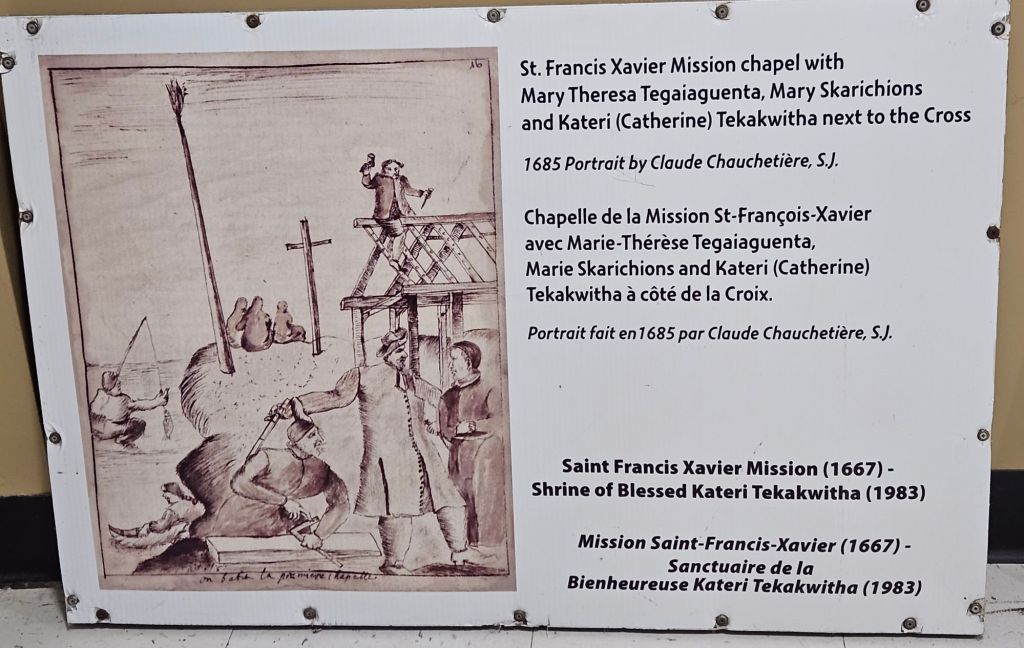
  10. The sketch below was done from memory by one of her spiritual directors, Fr. Claude Chauchetiere, SJ in 1685, five years after her death. She and her two companions watch as the mission chapel is being built.

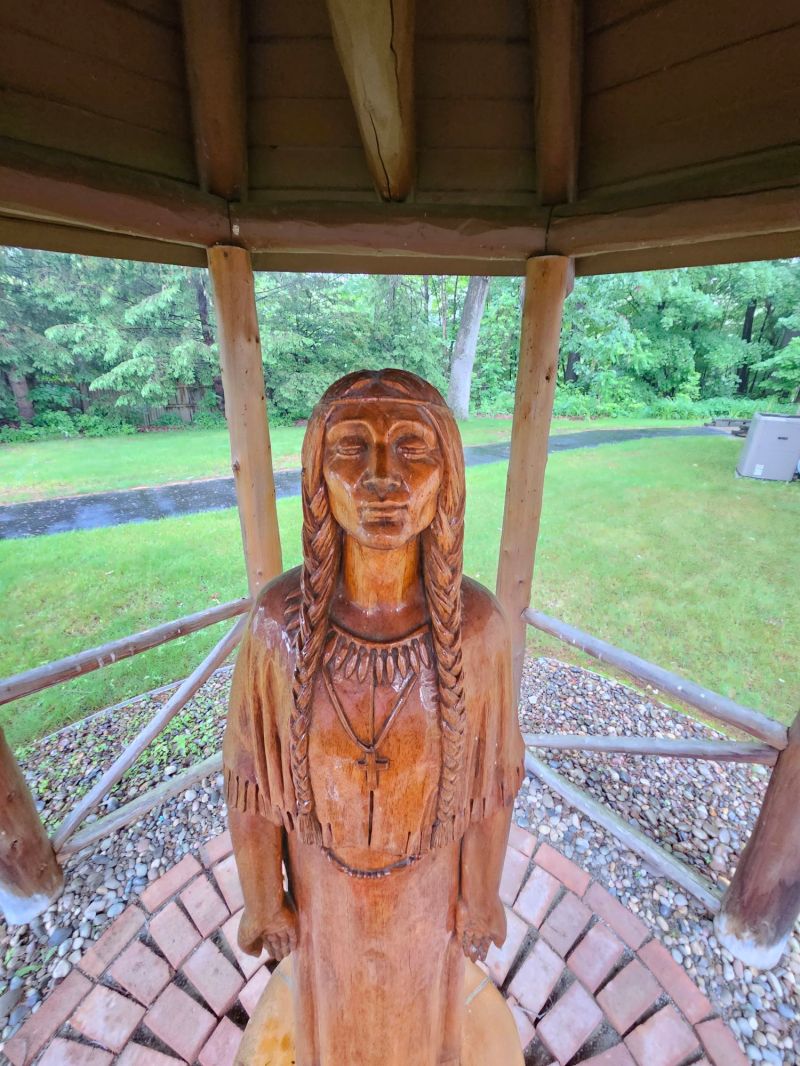
The topmost photo is of the statue at the shrine at Sacred Heart Roman Catholic Church in Lake George, NY. The simplicity and elegance of the wood carving is an inspiration in my devotion to St. Kateri as well as the spiritual, sacred feeling it evokes when I visit it.

Travel – Grant Cottage

Standard

Frederick Douglass Remembers Ulysses S. Grant

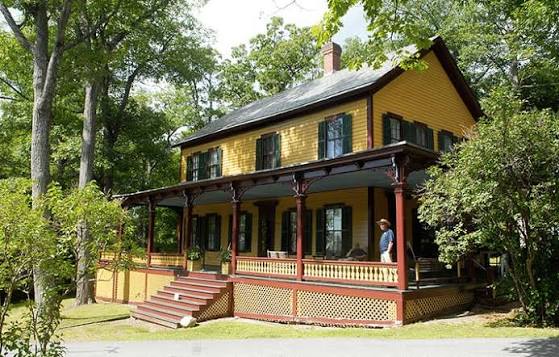
Tomorrow, in commemoration of Juneteenth, historical interpreter Nathan M. Richardson brings his portrayal of abolitionist Frederick Douglass to Grant Cottage in Wilton, New York in a conversation about Ulysses S. Grant.

I visited the cottage a few years ago, and it was hands down the best historical site tour I’ve ever been on. I am looking forward to this event, which will be held tomorrow, from 1 to 2pm.

All Grant Cottage programs are free and open to the public and donations are greatly appreciated.

Directions:

  • From the South:
  • Take the Adirondack Northway (I-87) north to exit 16 toward Ballard Rd/Wilton/Corinth.
  • Turn left ojnto Ballard Rd. (CR-33) toward Wilton/Corinth.
  • Go for about 1 1/2 miles.
  • Continue on Corinth Mountain Rd (CR-33).
  • Turn right onto Parkhurst Rd. Continue on Mt. McGregor Rd. The cottage is almost two miles.
  • GPS address: 1000 Mt. McGregor Rd., Wilton, NY 12831

See you there!

Friday Food – An Inspiration

Standard

Strawberry Festivals

While I know something of Native American culture, in writing my current book, I’ve discovered so much more, and it excites and inspires me. June is an important month in the Native American calendar, especially for the Haudenosaunee, as it is the season of strawberries. In addition to the three sisters (corn, beans, and squash), strawberries are a significant part of the culture, food source, and creation story. They are the first fruits of spring, and a leader of the berries. They are singled out for thanksgiving in the welcoming address before ceremonies.

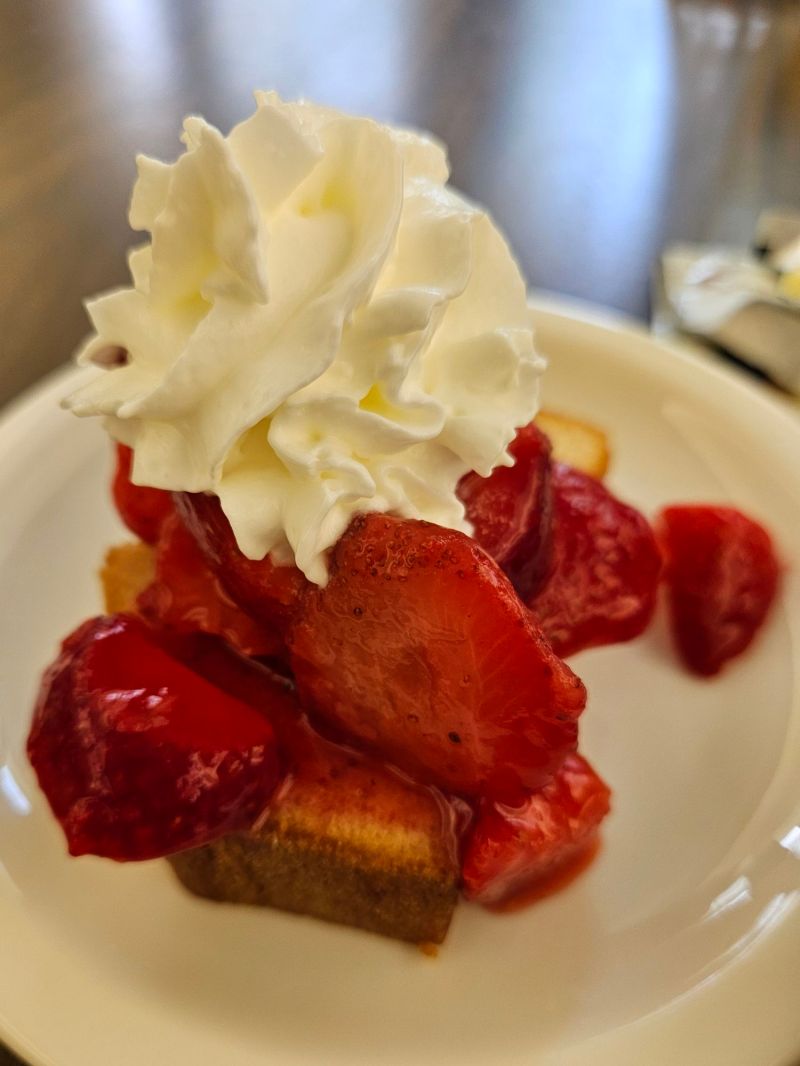
Strawberries are sweet and tart, red and juicy. They can be enjoyed on their own or in other foods, mixed into salads, pureed into ice cream or yogurt, sat atop cakes or baked right in. They are refreshing and if you’re lucky, plentiful in June.

There are two Strawberry Festivals that you should know about happening in the next few weeks:

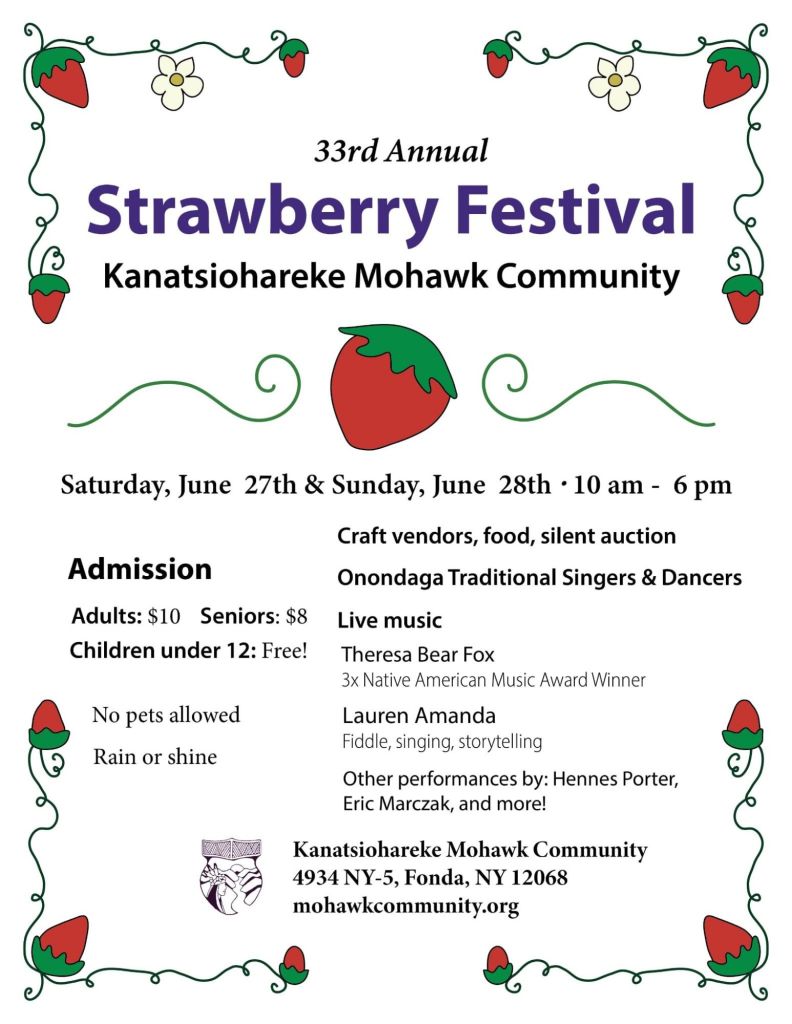
The 33rd Annual Strawberry Festival at the Kanatsiohareke Mohawk Community west of Fonda, New York on Saturday, June 27 and Sunday, June 28, and

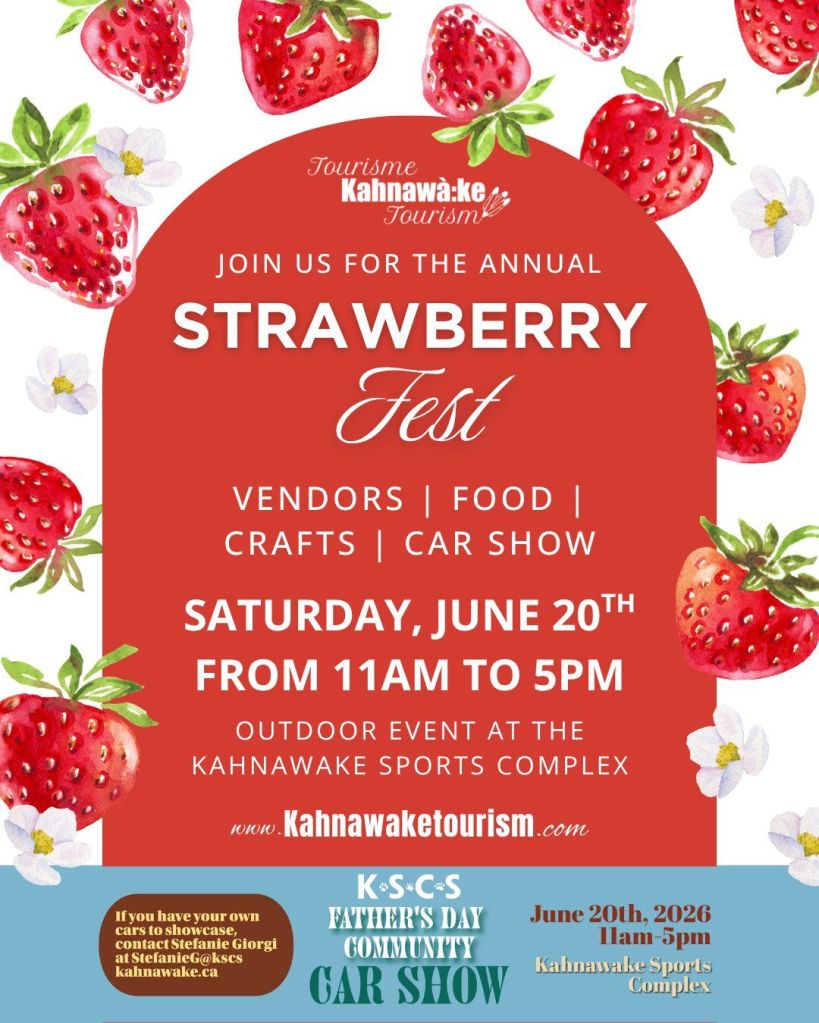
The 11th Annual Kahnawa:ke Strawberry Food Fest just over the border in Kahnawake, Quebec, in southern Canada on Saturday, June 20, 2026.

Both events are filled with strawberry goodness, Haudenosaunee Mohawk culture, Native music and dancers, and much more! Check their flyers and websites for admission prices.

If you are in Fonda, stop by up the road and visit the St. Kateri Tekakwitha: National Shrine & Historic Site, celebrating the 350th anniversary of St. Kateri’s baptism on the site. She is the first North American Native Saint canonized by the Catholic Church.

If you decide on Kahnawake, don’t forget your passport for the border! You can also visit the Canadian National Shrine for St. Kateri where her relics are entombed. Contact the Kahnawake Tourism also to set up a tour of the village which sits on the St. Lawrence Seaway.

St. Kateri Tekakwitha

Standard

I didn’t start out writing a book about St. Kateri. I’d never heard of her before a chance encounter with a random church in 2012, but that is an entire other story and a lifetime away, or at least that’s how it seems. As

I’ve written about before, I was drawn to her at the time very near to her canonization, and when I went through the conversion process, RCIA at the time, she was on my short list for confirmation saints. I went in another direction, partly for my attachment to Wales and partly because I still held onto the fear of appropriation. That might have been that, but in my discernment of joining the Catholic faith, I visited the shrine of the North American Martyrs and discovered holiness there. I found out that this palisade was the footprint of the original Mohawk village, Ossernenon where Kateri was born. She was born about ten years after the Jesuits martyrdom, but it never really resonated with me as her place. Over time, I discovered the Fonda shrine where Kateri had grown up. I visited the museum, the archaeological site, had a picnic there with the Cursillo group, a Catholic organization, and gradually began to read about her life. Her life in Fonda, her ‘escape’ to Quebec, the reception of her sacraments as a young adult, and her death at a very young age.

I’ve written about a lot of this, and some of it will feature in my book, but through it I learned more and more, and thought I’d visit her shrine in Canada to complete my journey with and alongside Kateri.

I’ve spent many meaningful hours at the shrine in Fonda, New York and the people there have been gracious and generous with their time and resources as I continue my research and writing. I feel a part of their community, and the first time I received an unexpected hug it came with a large smile welcoming me back. I felt it deep inside. I am drawn there more and more, each visit a gift. Learning about Kateri through different sources is also a gift.

She was born in 1656, parents died in 1659; she was baptized in 1676, received her first communion in 1677, and died in 1680. In 1980 she was beatified, and in 2012 canonized.

I give you the litany of her statistics to remind when big things happened in her life in order to inform that this year is a big deal anniversary. One member of the community did some math and as I said, Kateri was baptized in 1676. This was an Easter Sunday, and the date was April 5th. Because of that uncovering, it was realized that this year Easter Sunday also falls on April 5th! It is exactly to the day, and the Easter celebration that St. Kateri was baptized three hundred fifty years ago.

To commemorate this event, once in a lifetime I dare say, the Kateri Shrine in Fonda, NY requested ad received permission from the bishop of the Albany Diocese where the shrine resides to hold an Easter Mass on that auspicious day. The Shrine typically doesn’t open it’s buildings until May 1st when the weather is warmer as the public buildings have no heat, so this is a special day in so many ways.

The presider will be Fr. Michael Heine, OFM Conv., the Minister Provincial of the Conventual Franciscan Friars. They are the custodians of the shrine since its founding in 1938 by Conventual Franciscan Friar, Fr. Thomas Grassman.

It is a day or so away as I write this, but I am beyond excited to be going to the mass and to be part of this extraordinary event commemorating her baptism and we renew our own baptismal vows.

Information on attending this mass or any other events at the shrine can be found on their website: Saint Kateri Tekakwitha National Shrine & Historic Site
Travel – Seneca Falls, NY

Standard

Today is the third day of Women’s History Month. Typically, there’d be a proclamation from Washington, Congress and/or the White House, but I won’t hold my breath waiting for that. It was clear last week when the Olympics closed for this year that the White House would only be acknowledging the white men on the men’s hockey team. Yes, they did win the gold medal, and should be congratulated, but (or is it and) the women’s hockey team also won the gold as did ten other US athletes or teams. I will say that the last time that the men’s hockey team won the gold was right here in New York forty-six years ago. They were truly a ragtag team of true amateurs. I wasn’t even in high school. The women’s team, on the other hand competed in their first Olympics in 1998, and have won a medal in every Olympics they participated in.

You may think from that introduction that this is going to be a diatribe against misogyny, for Title IX, against discrimination, for DEI (which benefits everyone), but it’s not. It is, however, the world we live in currently with Congress and the White House attempting to take women back to their dark ages. We will not let them. We are not going back.

I begin this Women’s History month with that declaration: we are not going back. We are 50% of the world. We are equal. Even though we’ve earned it, we do not need your respect, but we will not be mocked.

One way to commemorate and celebrate women is to support their spaces and we can do that by using our time and our dollars and visiting some of those spaces.

We have traveled to Canada yearly for the past several years, and each time we’ve driven west towards Niagara Falls and the Rainbow Bridge, we pass a sign on the New York State Thruway that declares the Women’s Rights Historical National Park, and every time I see that sign, I say (out loud), I want to go there one day. And maybe one day, I will.


Links

Begin at the Visitors’ Center and visit the historic houses there that include:

  • Wesleyan  Methodist Church
  • Elizabeth Cady Stanton House
  • M’Clintock House
  • Richard Hunt House
  • Amelia Bloomer House

There is also a trail through the area that includes the following sites:

Friday Food – What Were They Thinking?

Standard

Last month, my husband and I traveled to the Albany area to see the Titanic Exhibition at the Schenectady Armoury. I had been there a while ago to see their Monet interactive exhibit, and I was excited for the Titanic.

We had visited the Titanic Experience in Belfast, Northern Ireland in 2017, and that was fantastic. It was a superb blending of the Northern Irish pride of having built the Titanic and a solemn, respectful balance of the tragedy.

I didn’t know what to expect in Albany.

To begin, its title is Titanic: An Immersive Voyage. Now, I get that these exhibits do have an immersive quality to them. You’re made to feel that not only are you at something like a museum exhibit, you are in the space. We walked the gang plank onto the ship, we stood on the main staircase, and in the screened room, we were on the ship as it crashed and sank. They even had a life sized lifeboat in the room for some people to sit in.

However, immersive? Really? For a ship that sank? I don’t know.

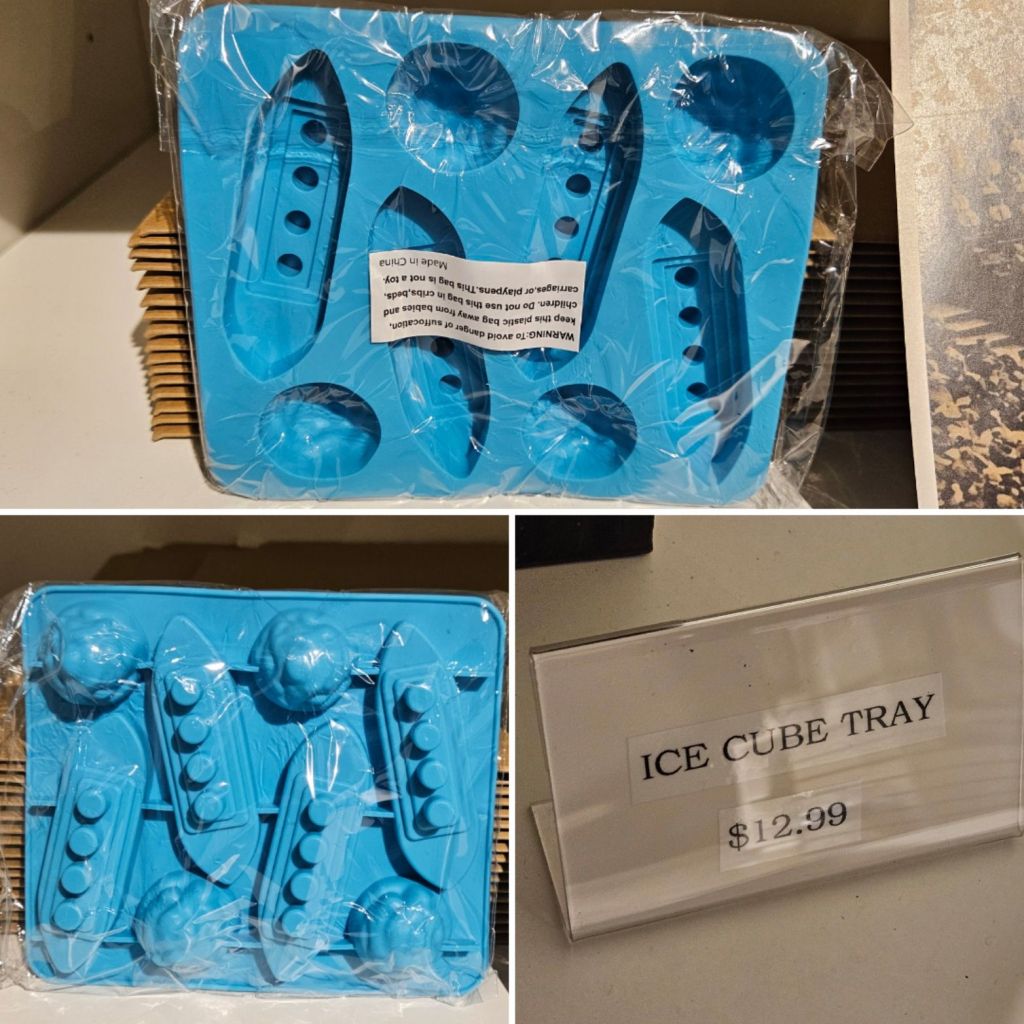
The second thing that made me side-eye things is pictured below. I did not buy these, but I was surprised to see them in the gift shop. They really will sell anything – Titanic themed ice trays.

Titanic

Themed

Ice

Trays

So there you go.

Friday Food – Anniversary Edition

Standard

Our anniversary was played out over a few days of really good food! Here are a few of my favorites!

1. Cranberry Cheddar Chicken with French Fries in Lake George.
2. Dragon ice cream (Mr. & Mrs.) at Baskin’ Robbins.
3. Raspberry Shortcake.
4. Hibachi Japanese.
5. Baskin’ Robbins (31st anniversary).
6. Dole Cherry at (famous) Martha’s Dandee in Lake George.
(c)2025

Native American Heritage Month Can Be All Year Long If You Know Where to Go

Standard

I think when it comes to marginalized groups in this country, it is important to remember that even though we attempt to celebrate them and honor them, we can still do that on the other 364 days of the year, and not just on “their” day.

Native American Heritage Month officially ended on November 30th, and Native American Heritage Day was commemorated on November 29th.

In addition to the post last week with links to the American Indian Museum in Washington, DC, I’d like to share the following links and travel recommendations for you to consider over the next 361 days.


The Akwesasne Cultural Center is located on State Route 37 in Akwesasne, New York, near the Canadian Border. They are a museum, library, and cultural center focusing on the history and culture of the Mohawk people as well as protecting Mohawk culture and artifacts. The museum and gift shop are open T – F, 10-6, and Sat, 10-2. The library is open additionally on Monday, 9-5.

The Kanien’keha’:ka Onkwawen:na Raotitiohkwa Language and Cultural Center was established in 1978. Its mission is to preserve and enrich the language and culture of the Kanien’keha:ka (Mohawk) of Kahnawa:ke. They are located in the Mohawk Territory of Kahanwa:ke, south of Montreal, Canada.

You can also find the Welcome Center, the Kateri Interpretive Center, and the St. Francis-Xavier Mission Church (on this site since 1716) in the Mohawk Territory of Kahnawa:ke. I have toured all three of these sites and it is well worth the visit.


From The National Museum of the American Indian at the Smithsonian: The “First Thanksgiving”: How Can We Tell a Better Story?

Bluesky Handle, Puff the Magic Hater has a thread of ways to support Native people, for everything from abortion care, defending voting rights, keeping Native families together, and more. Visit the thread here.

I’d like to close this post with the words of someone smarter than me. On Nov 29, 2024, historian Heather Cox Richardson wrote on Facebook:

Continue reading

Native American Heritage Month

Standard

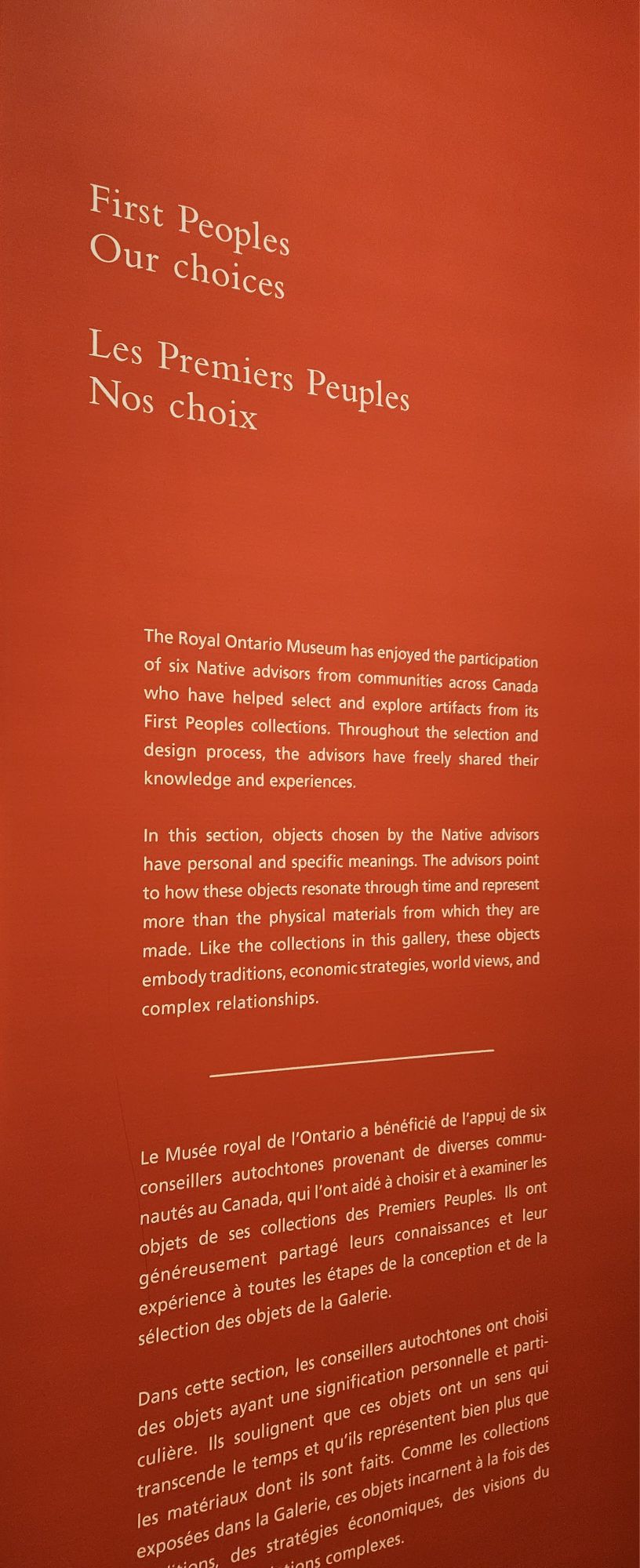
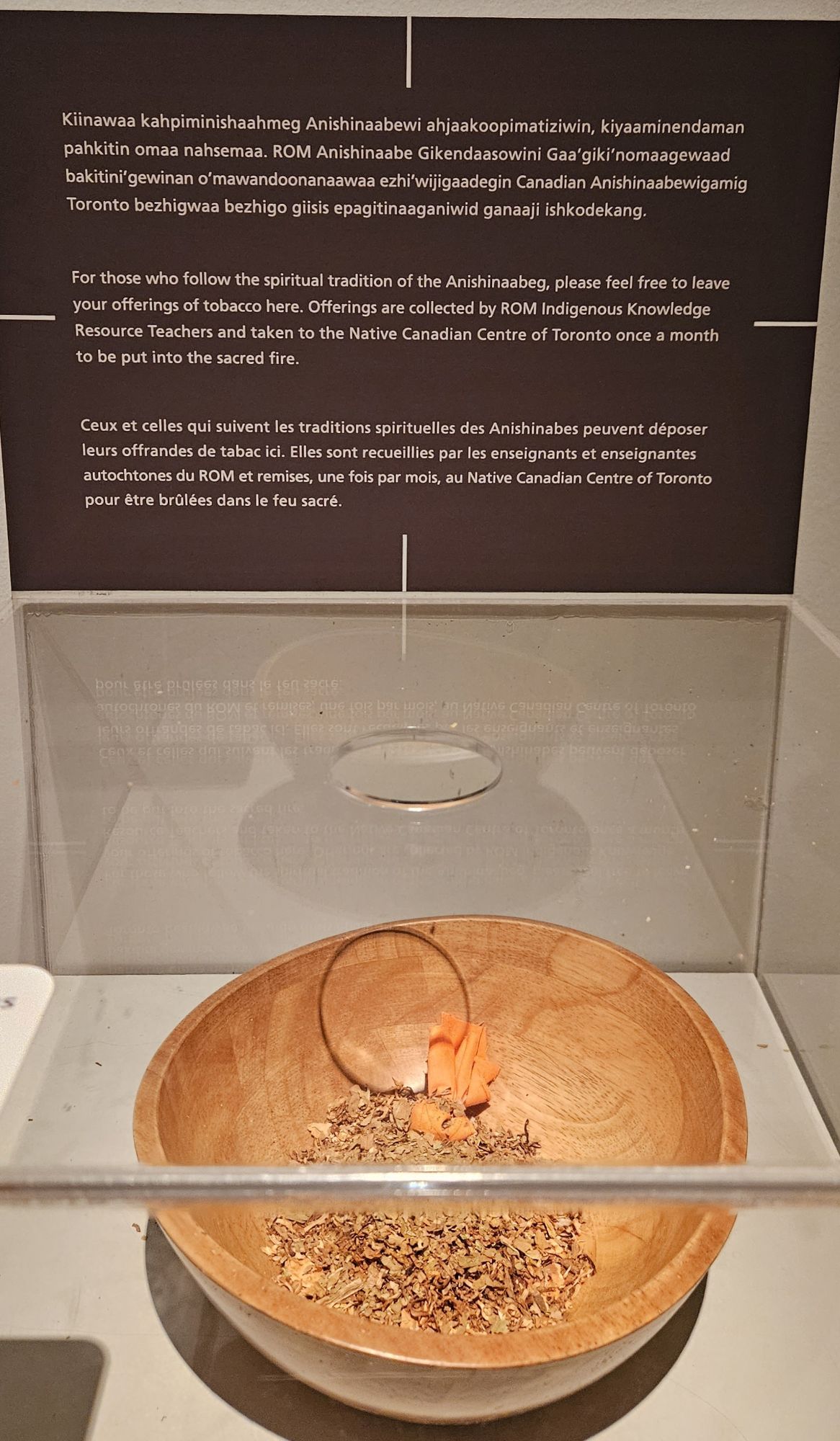
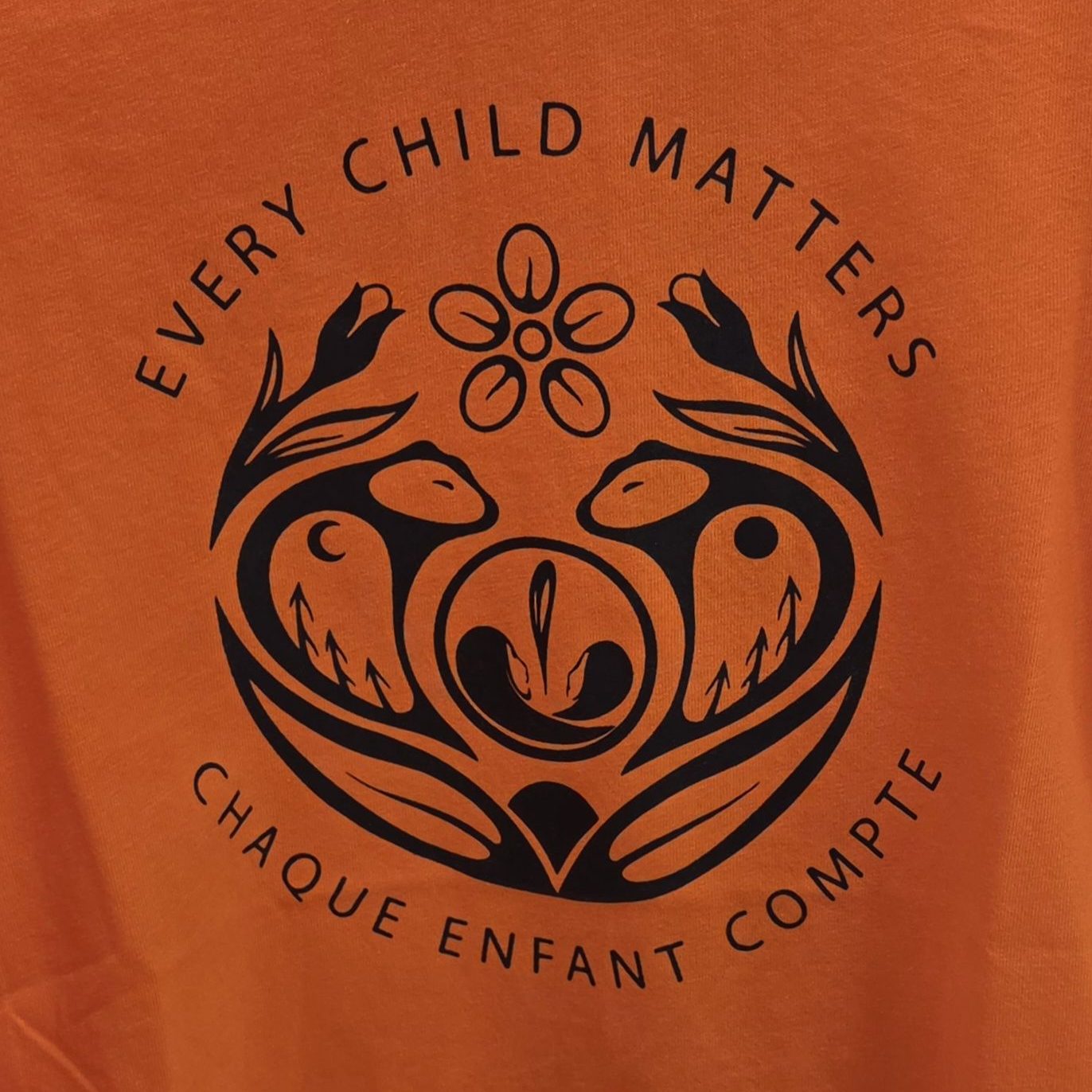
There is still a long way to go in acknowledging what the governments of the United States and Canada have done to the Native American and First Nations peoples of North America. I’m being naive in thinking that Native American Heritage Month in November when Thanksgiving occurs is completely unrelated. However, it is what it is.

I thought I would share some of the things and signage that I noticed on our recent visits to Canada. The Royal Ontario Museum in Toronto has a large First Nations exhibit. I think it took nearly an hour to get through it and I could have probably stayed longer.

In addition to the following photos, when we visited the Canada Aviation and Space Museum in Ottawa, I noticed a sign at the entrance that said: Ingenium [Canada Aviation & Space Museum] offers free admission to all active Canadian military personnel, Canadian military veterans, Indigenous peoples, including First Nations, Inuit and Métis, and a support leader accompanying a person with disabilities. When available, presentation of an Identification Card is requested.

I noticed this in several museums including the ROM.

There was also a discount for the gift shop as well as Indigenous pins and souvenirs.

In the United States, it is on my bucket list to visit the American Indian Museum at the Smithsonian in Washington, D.C.. There is also a location in New York City. Check out the website for hours of operation. Admission to both locations are free.


(c)2024
(c)2024
(c)2024
(c)2024