Intro to History

Standard

If you asked my kids what their feelings on history is, I’m pretty sure they’d answer: “Don’t care,” “Hate it,” “Eh” in that order.

However if you asked child #1 what she thinks of poodle skirts or headbands of the seventies, she’d be on Google faster than The Flash.

If you asked child #2 about the first comic book ever printed, or who holds the record for the most breakouts of Arkham Asylum, he’d tell you. In infinite detail.

My third child could tell you the history of his fire department, and if you asked him the difference between a pumper truck and a medical unit, he’d know.

History is one of those things that we either love it or we don’t know we love it. All three of them are blase about their social studies and history classes, but ask them about something they’re interested in, and they can give you the rundown from ancient times until the present day, up until the point you cry ‘uncle’ or lose yourself in their droning.

My love of history is primarily American and European focused with more interest on the American Revolution and Civil War and the Middle Ages, respectively. I’ve studied the history of language, of writing, of The Celts, Law, Drinks, the Civil Rights Movement, Catholic Church, and quite frankly the list goes on and on. I’ve made historically accurate garments, made and ate historically accurate food, played games, brewed and infused, embroidered, etc.

With the seventy-first anniversary of D-Day approaching at the end of the week, I thought we would take a peek this week at our own views of history: what we think of it, what we think of as history, which histories we’re interested in learning more about, plus some reading recommendations that I’ve personally found enlightening and of course, interesting.

Let’s start with our usual Monday prompt:

Think about your view of history. If you like/love it, great! Which is your favorite historical period? If you don’t like it, think about what you do like and if you might be interested in how it came to be.

Other prompts for this week to think about:

Your State’s (City’s/Town’s/Etc.) History

Family History – who are you named for? Why? What happened to that person? How did your parents meet? What’s your first memory?

When was your house built? Talk about that time period and what your street/community might have looked like.

What’s your favorite hobby? Who started that? How long have you been doing it? How long have others been doing it? (Remember this one for next week’s theme of collections.)

Eleanor Roosevelt’s Home at Val-Kill

Standard

On a recent road trip to see the in-laws I began to read Eleanor Roosevelt’s autobiography. I never remember that she and President Roosevelt were from New York, and so while reading it many of the places she mentioned were familiar to me: the capital of Albany, of course, GE in Schenectady, etc. I also never remember much about her other than that she was a strong, independent woman with a life apart from her husband’s. What struck me as unexpected was her description of herself as painfully shy, introverted and lacking in initiative and self-confidence. I think I literally laughed out loud. Even in my ignorance, I would never describe Eleanor Roosevelt as shy or lacking self-confidence.

Quite suddenly while we were heading back north I realized how close we’d be to Hyde Park, President Franklin D. Roosevelt’s family home (and now Presidential Library and Museum). I mentioned that I wanted to drive by, maybe walk around a bit and take pictures. It’s not far from our route, so it was no problem to divert for an hour or so on the way home.

When we arrived in the hamlet of Hyde Park, I looked for signs to guide us to the President’s home. I was excited, diverging from our planned itinerary for some local history. We followed the main road and then I saw something that would change our intended destination: a sign for the historic site of Eleanor Roosevelt’s home. The autobiography hadn’t gotten to talking about Val-Kill until after we left, but I’ve always admired Mrs. Roosevelt and decided that I would like to see the home of one of the smartest, independent, and inspirational heroes of the twentieth century.

I had already decided that I wouldn’t take the time to take the guided tour (the only way to see the inside of the cottage); it would take more time than I was willing to sacrifice, and I didn’t want to spend the money for so short a visit. My daughter wanted to accompany me, and I was really excited to include her. My daughter is her own independent, speak-her-mind, interesting, spirited young lady and Eleanor Roosevelt’s name is one that I’d like her to remember.

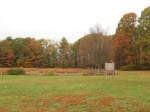
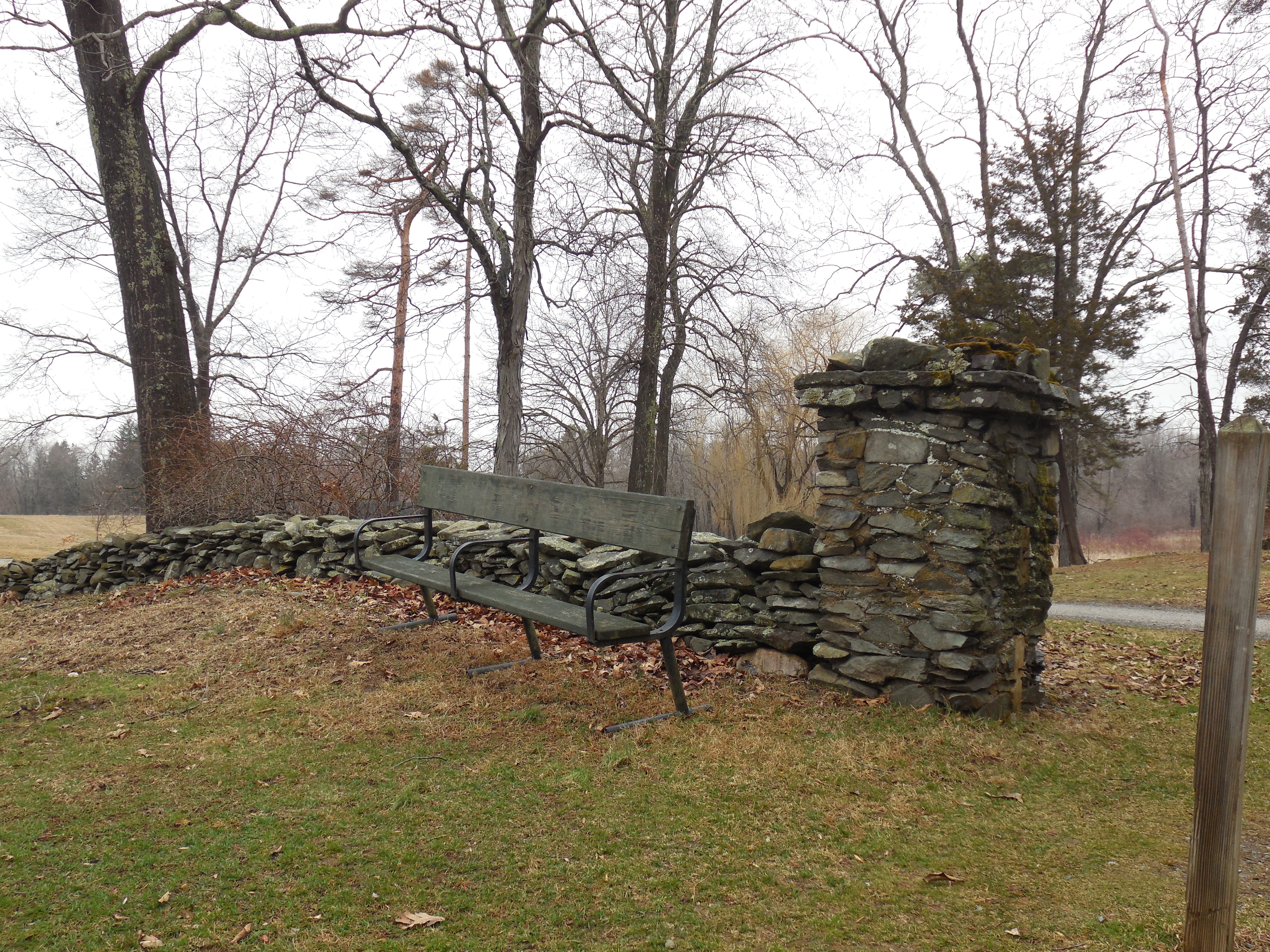
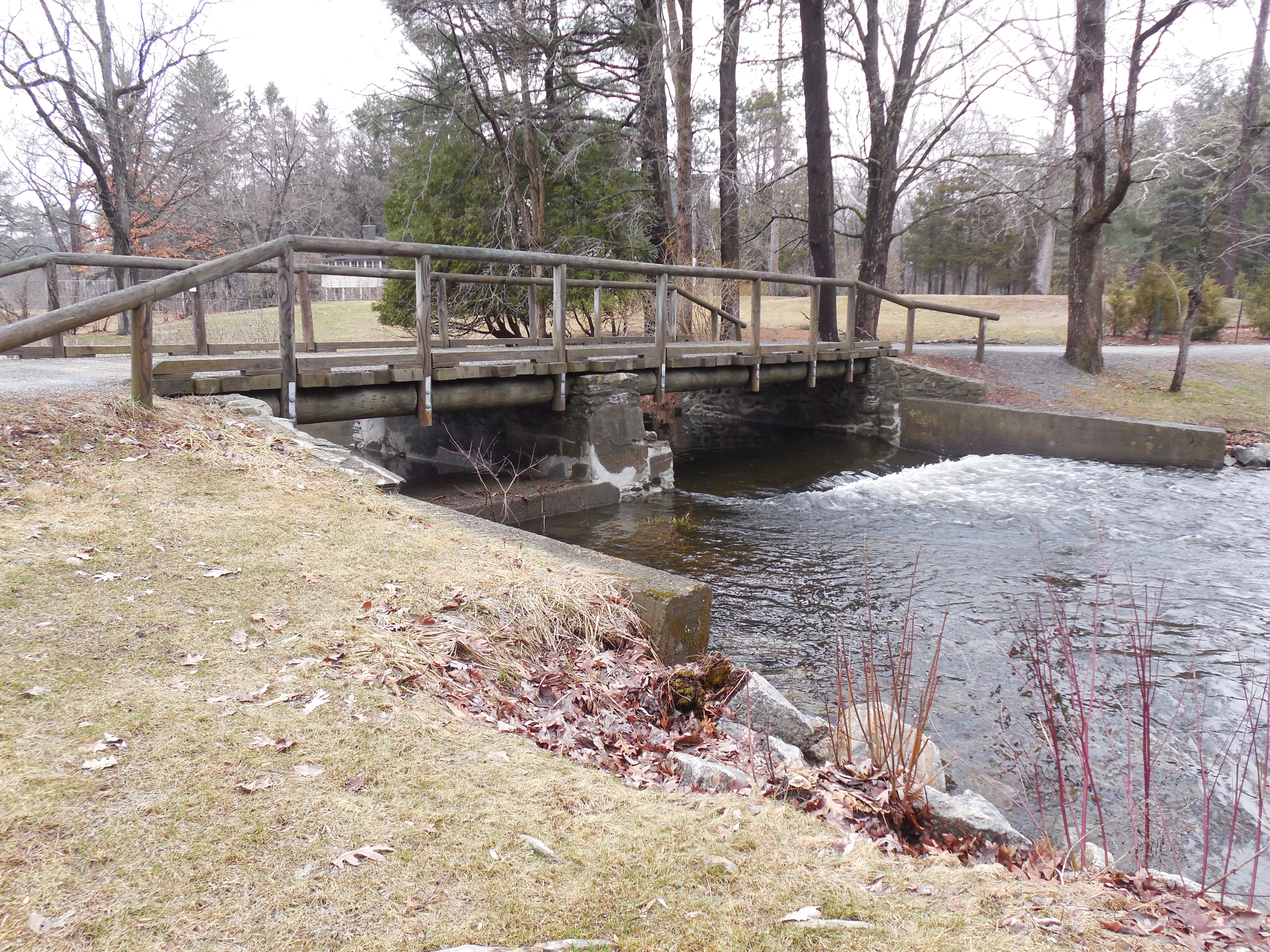
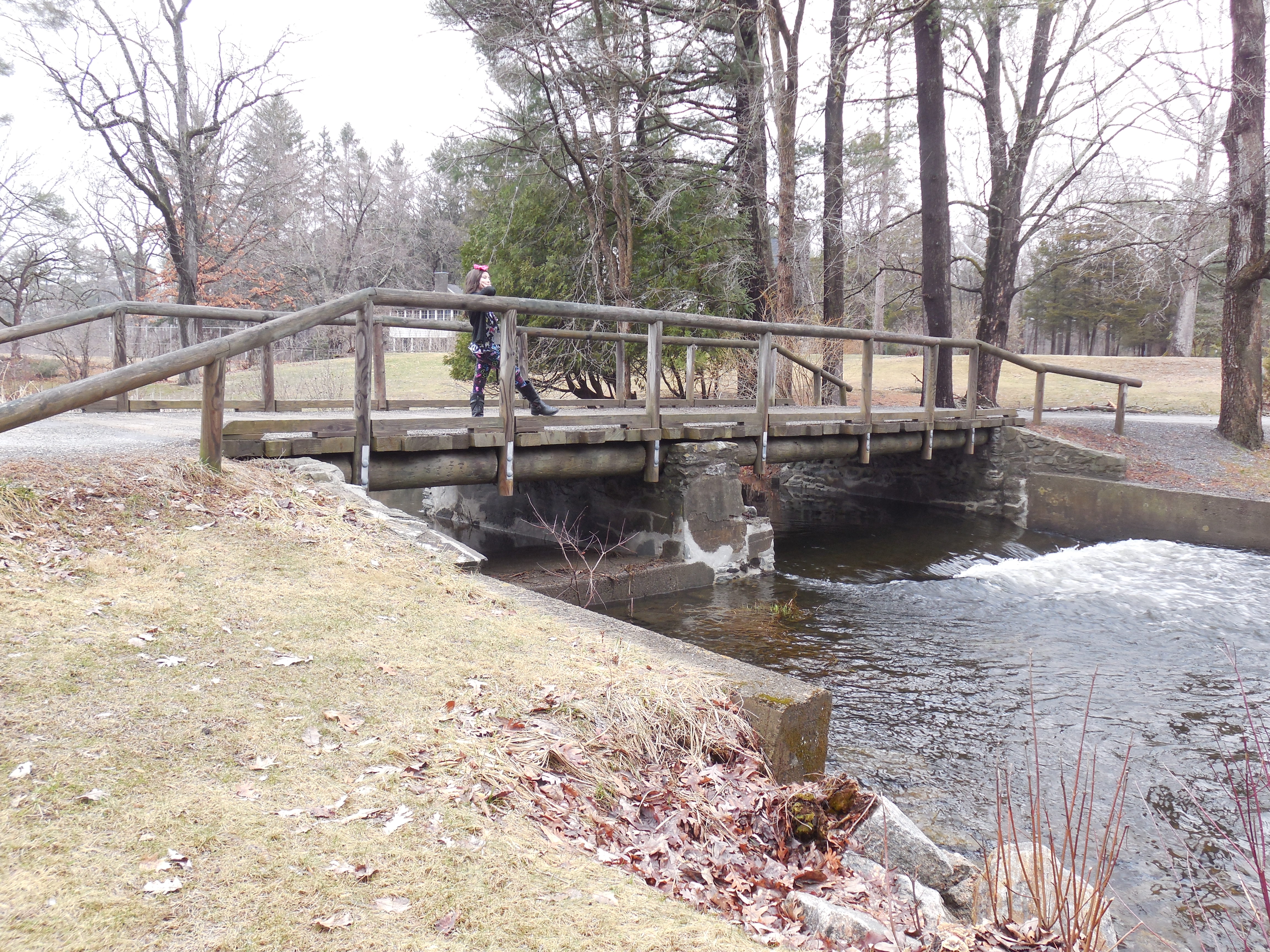
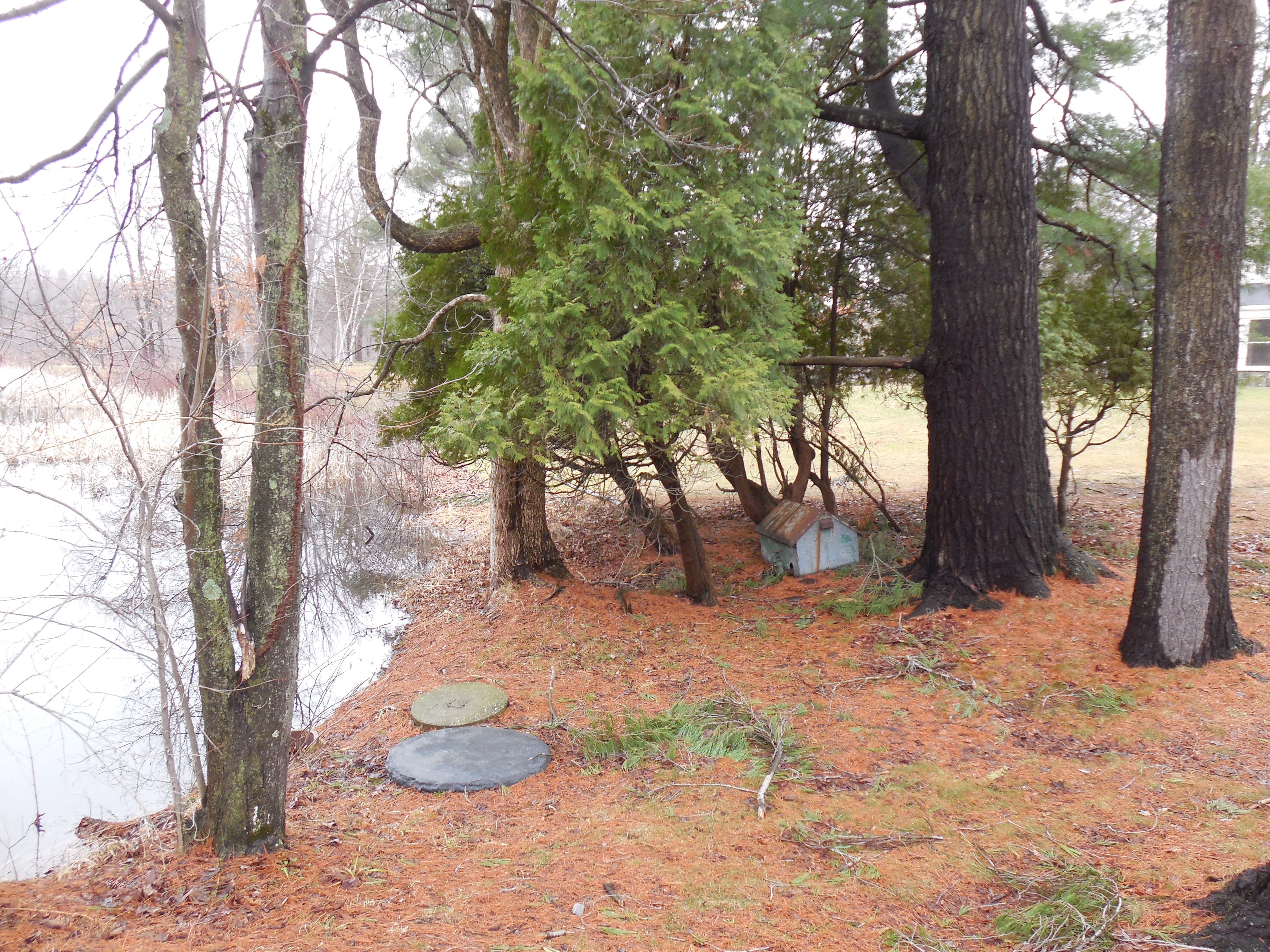
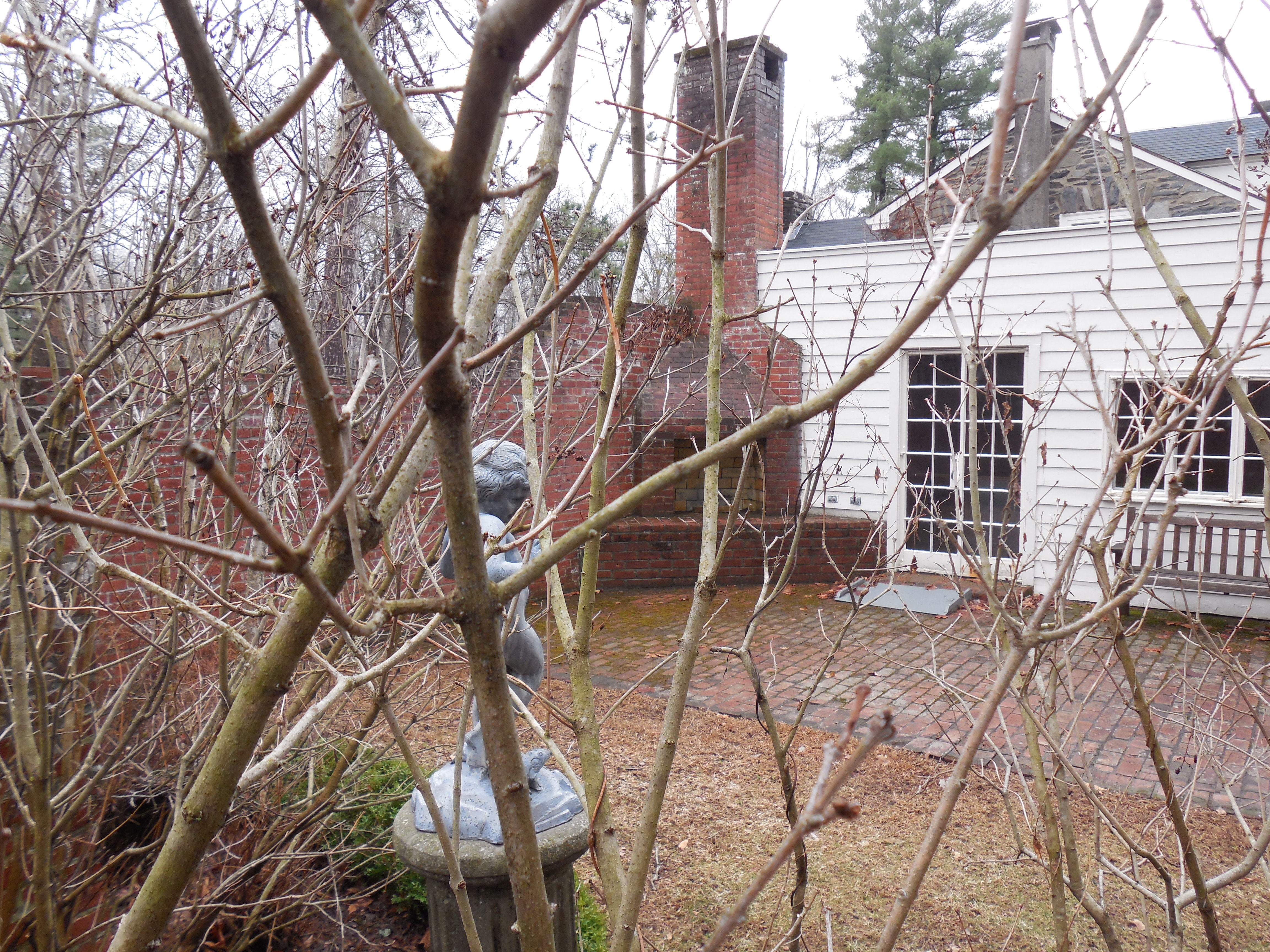
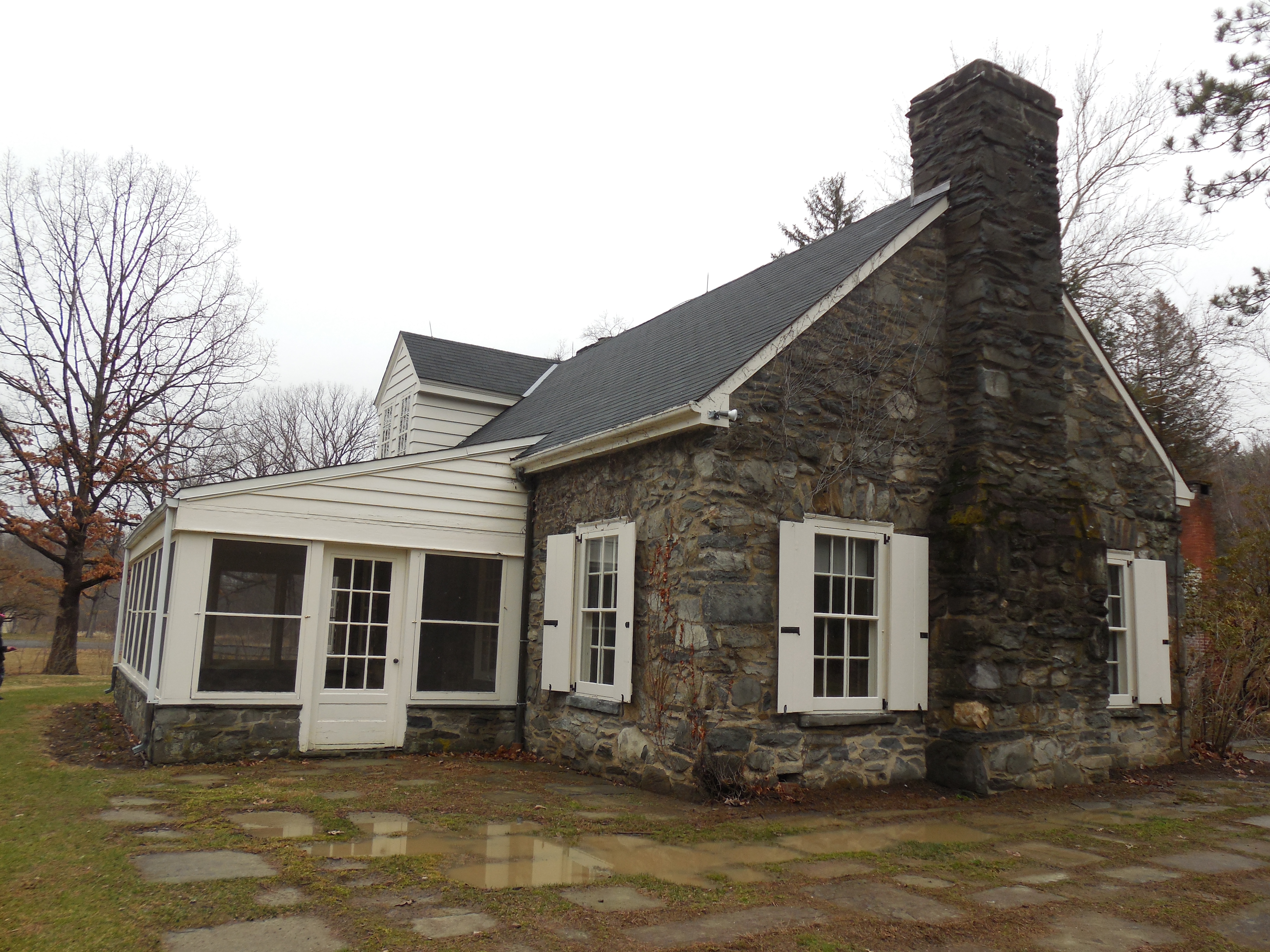
We wandered down the path (1, 2) and over the wooden bridge (3) taking photos along the way. There was a little door in the side of the hill with rock walls as tall as my daughter bordering it. (4) We took some more photos and she stood on top of the wooden deck slats.(5) She peeked between the slats and said that it was deep and empty. We walked around the cottage and down into what I presumed would be a very pretty fenced garden come summer time. (6) There was an outdoor fireplace. Coming around the back of the stone cottage there was a white wooden fence surrounding a courtyard with another outdoor fireplace and a cherub statue that might be a fountain when it’s not so cold as to freeze. (7, 8, 9)

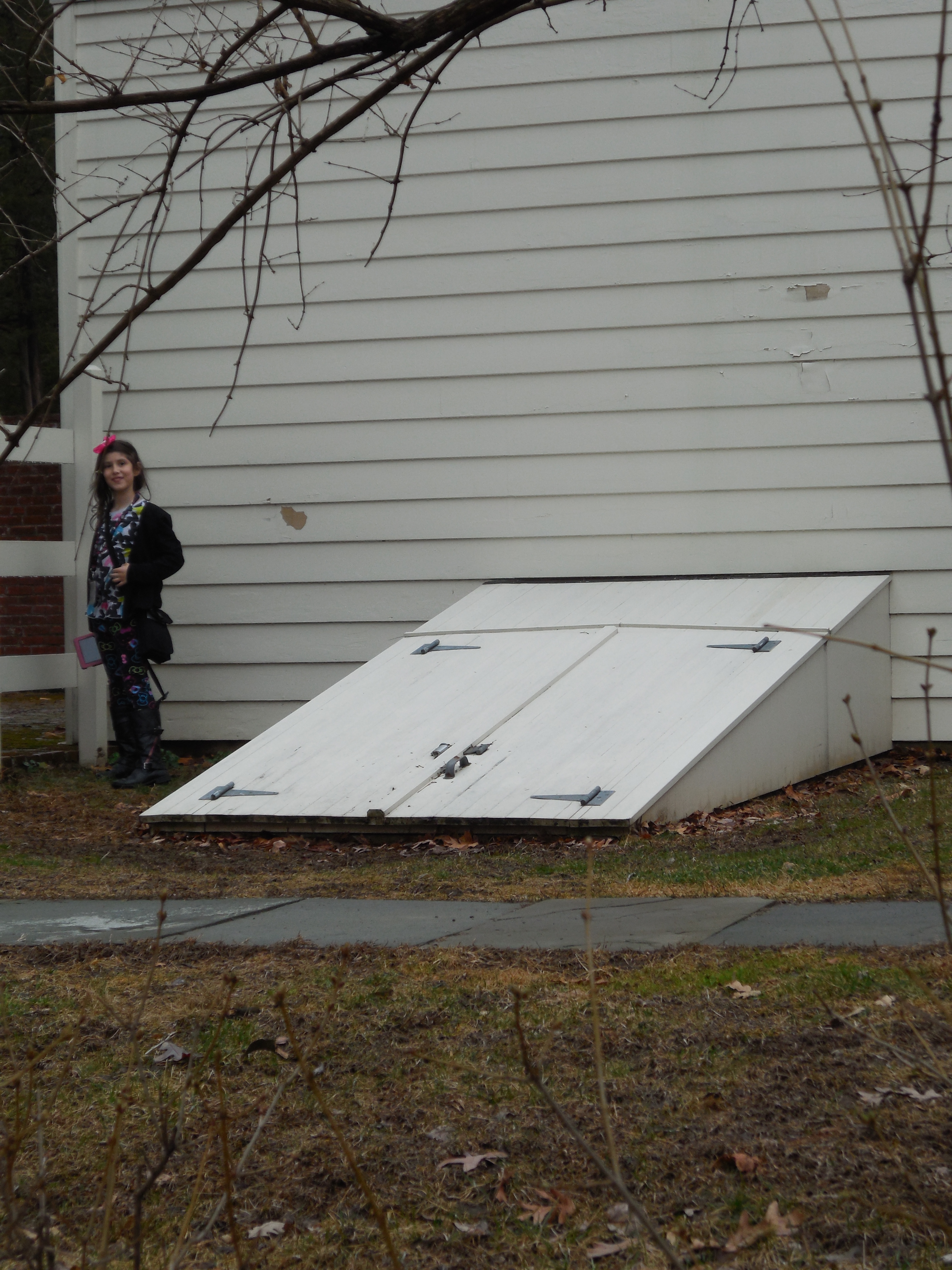
We looked in windows and over walls. We wandered through puddles and muddy paths, kicking rocks and listening to the water as it rushed under the bridge. My daughter tried to tug open the locked cellar as she imagined what treasures might be hidden down there. (10)

This was a unique travel moment that one can only hope for. Not only was I surprised that I thought of it before we had traveled past it, I was surprised that I followed through. It’s not as though I would have driven the two hours on just any weekday, although now that I’ve been to the place I might want to go back and take the actual tour.

Continuing to read the book after we left Val-Kill, I discovered through Eleanor’s words that she came here to live after Franklin died; subsequently giving their Hyde Park home to the government for the historical site, library and museum. This became her year round home, not the vacation retreat she enjoyed with her husband, and she did much of her work from here. She also spent time with her family and enjoying the solitude of the surrounding woods as she continued her writing and political work. I loved finding out that Franklin Roosevelt had contributed to the design and the building of this cottage. I put two and two together and found that the wooden slats that my daughter had been standing on was the swimming pool that the President enjoyed as part of his visits to Val-Kill and as part of his therapy and exercise for his legs after contracting polio. (5) Recognizing things there and from photos that I looked into from her autobiography really made this site come alive for me.

One of the best things about travel is the parts that come alive. I can picture Eleanor sitting in a chair with the stone cottage in the background behind her, the windows of the house open to let in the cool air from the stream and the wooded areas. I can hear the birds whisling, the water rushing, and the bees buzzing from flower to flower. I look around at her home and special place and I think iof how to maintain my own places and keep them special and where I can surround myself with the sounds and the scenery that will continue to inspire and give me that sense of stillness that I often seek.

Other Roosevelt items of interest include:

Marist College

The Culinary Institute of America, where the burial site of Pierre Teilhard de Chardin is

Town of Hyde Park

Franklin D. Roosevelt State Park

Franklin D. Roosevelt Presidential Library and Museum

A Tour of the Roosevelt Family’s New York

DSCN2297

(1)

DSCN2299

(2)

DSCN2305

(3)

DSCN2309

(3)

DSCN2320

DSCN2322 (4)

DSCN2324

(5)

DSCN2326

(6)

DSCN2332

(7)

DSCN2333

(8)

DSCN2335

(9)

DSCN2321   DSCN2325 DSCN2336

DSCN2329

(10)

\

History and Historical Fiction

Standard

One of my favorite genres is history and historical fiction, the more realistic, the better. My version of history includes mythology, current events, politics, and religion in its historical sense. Two of my absolutely favorite authors in historical fiction are Sharon Kay Penman and Bernard Cornwell.

The first book I read of Penman’s was Here Be Dragons. Not only did it feed my love of medieval history it started my life long infatuation with Wales, the homeland of my soul. The one thing that amazes me about Penman was the amount of research she does. When I did my own research I was stunned at what was true, like the Princess of Wales being kidnapped by pirates, and Prince of Wales, Llywelyn Fawr’s firstborn son as part of the Magna Carta.

Bernard Cornwell’s The Winter King was recommended to me years before I actually read it. I was afraid it would change my outlook on King Arthur, and it did, but it was well worth it. The guest series I read if his were the Sharpe books. Sharpe takes place during the Napoleonic wars, a time period I was never interested in until Cornwell.

For history, I’d encourage you to read Jon Meacham, Ken Burns, Doris Kearns Goodwin, Douglas Brinkley, and Isabel Wilkerson.

I’d also add these to the list that I’ve read recently:

The Presidents’ War: Six Presidents and the Civil War that Divided Them by Chris DeRose
Manhunt: The 12-Day Chase for Lincoln’s Killer by James L. Swanson
The Warmth of Other Suns: The Epic Story of America’s Great Migration by Isabel Wilkerson
The Man Who Would Not Be Washington: Robert E. Lee’s Civil War and His Decision That Changed American History by Jonathan Horn
Eighty Days: Nellie Bly and Elizabeth Bisland’s History-Making Race Around the World by Matthew Goodman
Zealot: The Life and Times of Jesus of Nazareth by Reza Aslan
The Jet Sex: Airline Stewardesses and the Making of an American Icon by Victoria Vantoch

Week 45/14 Review (plus blog care)

Standard

Beginning on Monday, there is going to be a few extra posts as I set up my new index. I apologize for the extra notifications you will receive with these posts. I’m also going to revamp my Facebook Page.

Hopefully, this will make it easier for everyone to find their favorite pieces or search for ones they  might have missed.

Thanks for your patience.

kb


Prompt: What’s the best thing you do for yourself?

Photo: Recycling…

QuotationBy recording your dreams and goals on paper, you set in motion the process of becoming the person you most want to be. Put your future in good hands –your own. – Mark Victor Hansen

Rec: MediSafe App

Writing:

Reflection on Conversion (religion/spirituality)

Make Self-Care a Thing (self-care, health & well-being – mental)

The Discovery of America, Another Perspective (history)

The Republicans win the Senate (politics)

REPOST: When Life and Fiction Meet (and Greet) (fictional narrative)

Links:

MediSafe App

Prince Madoc

Prince Madoc and the Discovery of America

Here Be Dragons by Sharon Kay Penman

Mumford and Sons

Adele

Creative Memories

Netflix

Orange is the New Black

Chitty Chitty Bang Bang

Escape to Witch Mountain

The Hunger Games: Catching Fire

Constantine

The Discovery of America, Another Perspective

Standard

[An essay from my memoir workshop with the prompt of Columbus Day]


In light of the controversy that Columbus Day can bring up as well as the hurt and disagreement it can stir up, I’d like to tell you about Madoc, the son of the true and rightful King of Wales in the 12th century, Owain Gwynedd, and who is the true first discoverer of the Americas!

Prince Madoc sailed across the Atlantic, landing on the shores of Mobile Bay, Alabama in 1170. This is commemorated by a plaque in place from 1953 until 2008, obviously another casualty of another controversy.

There are several tribes known as the Welsh Indians, thought to be descendants of the Native Indian tribes and the Welsh settlers who came here in 1170 with Prince Madoc.

The Mandan people are a different group of Indians and were said to be different from their neighbors in their culture, language and their appearance, probably appearing more Caucasian than their other Native contemporaries.

It was found that the Mandan boats are similar to the Welsh coracles as well as fortresses and other village architecture that is related to medieval Welsh/European designs because of its extreme similarity.

The Mandan people still survive to this day, but have intermarried with other tribes after a small pox epidemic.

Thomas Jefferson believed in the legend, and commissioned Lewis & Clark to look for these Welsh Indian tribes on their explorations.

In addition, during the French and Indian War, one of the signers of the Declaration of Independence (Francis Lewis) was captured and is said to have a conversation in Welsh with the Indian chief. This is not a singular event, but it is often thought of as an anomaly. I’m not so sure.

The legend reached a peak of interest in the Elizabethan era when the British were laying claim to New World lands and claimed that their representatives were here before the Spanish who laid claim to many areas of the New World.

Historian John Smith of Virginia (c. 1624) wrote that Madoc went back to Wales for more people and then returned for a second voyage to the New World. From this point, he never returned to Wales.

There is no historical or archaeological evidence that Madoc actually arrived on our shores, but we have the circumstantial speculations, some of which that I’ve outlined above.

Resources:

Prince Madoc

Prince Madoc and the Discovery of America

Prince Madog and the Discovery of America- an investigation by Michael Senior

The Discovery of America – Betsey and Guilio Maestro

St. Kateri Tekakwitha’s Shrine

Standard

We’re reminded throughout the year and the Liturgical calendar of many of the saints through their feast days. Recently, we’ve observed Sts. Simon and Jude, the North American Martyrs and Pope St. John XXIII and Pope St. John Paul II.

Today is All Saints’ Day; that day on the calendar that honors all the saints. Although not today, it is often a holy day of obligation where Catholics are expected to attend Mass. I did attend this morning, and since there is no specific saint mentioned it is a good time to remember the saints that are important to us.

The saint I chose for my confirmation name is St. Elen (of Caernarfon). I wrote about her back when I was going through my sacraments.

Last week was my annual fall retreat, and today I get to tell you about one of the unexpected directions I was sent on during that week: the National Shrine of St. Kateri Tekakwitha.

She was one of the three saints I considered for my confirmation before I was finally led to St. Elen.

I contemplated having St. Kateri because:

  1. She was local,
  2. She was Native American, and
  3. Her name began with a K like mine.

When I read her story what stood out to me was how she was the only Christian among her relatives, and that struck a chord with me during my conversion. I was the only one moved to follow Jesus Christ, and so was the only one talking about Scriptural things. Obviously, I wasn’t trying to convert my family, but that single similarity stayed with me.

At four, Kateri lost her immediate family to a small pox outbreak. She had contracted the virus, and was left scarred by her illness. Upon her death, witnesses say her scars disappeared.

She appeared to three people in the days after her death, and one year later, she appeared again to Father Chauchetière who painted what is considered the oldest portrait of the saint:

DSCN1052

Two of the four National Shrines that honor St. Kateri are in two small nearby villages in upstate New York about a five hour drive south from her burial place in Quebec.

I had heard of Kateri before I became a Catholic, but really only knew that she had been beatified and her place was local. I’ve had a strong connection to Native Americans since I was a child. I think I find myself drawn to cultures other than my own. I had just begun attending Mass when Kateri was canonized in 2012. I received a wallet card from the Shrine as they celebrated her canonization and our whole Diocese celebrated, and I’ve carried that with me since that day in October.

That day in October also held an unrelated significance for me as well: it was the original due date of my middle child, who decided to be two weeks early, lucky for both of us since as it was, the day he was born I was in labor for two days, unbeknownst to me.

I had no intention of traveling to a saint’s shrine on my retreat, but when I glanced at a map and saw how close it was to where I had been on Saturday, I realized that I didn’t have many opportunities to visit something so significant, and since she did have some inspiration for me, I was excited to go once it had been pointed out to me.

It was raining when I got there, so I browsed around the gift shop until it was a light enough mist for me to walk around. The buildings of the shrine close this weekend for the winter (because none of the buildings have heat), so my timing couldn’t have been more perfect. I plan to return when they have one of their events through the spring and summer.

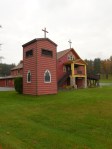
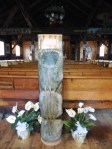
I wandered through the museum first and then upstairs to St. Peter’s Chapel, which is a commemoration to the chapel that Kateri was baptized in. The nearby spring that was used to baptize her (and other converts at that time) still flows. Visitors claim healings and cures after drawing from the holy spring and praying for intercession by St. Kateri.

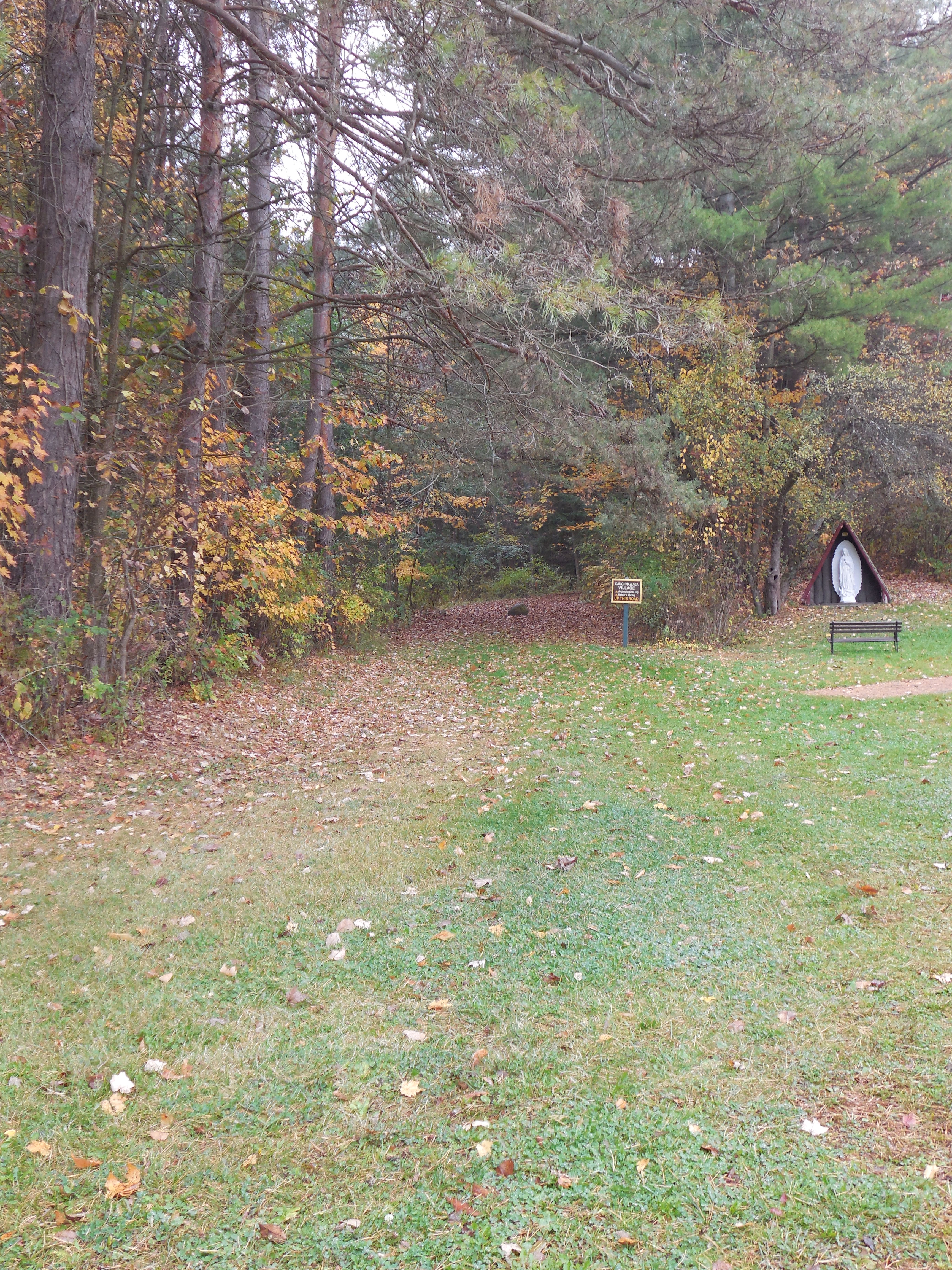
She lived in the village up the hill for most of her life. It is currently the only completely excavated Iroquois site in the country. Although the area had a history, it hadn’t been a shrine to her until Pope St. John Paul II beatified her in 1980.

The air was cool, the mist was wet and the sky was grey. I hadn’t realized until last week how much that type of weather is my weather. Very often I talk about my trip to Wales; more like pilgrimage, and when something reminds me of Wales, it is much more than the anecdote of a week’s vacation. There are so many non-religious, spiritual things associated with the simple phrase, it reminds me of Wales.

The fact that walking around the wet grass, seeing the bright yet muted oranges and reds against the greens, browns and greys as light played off the puddles was so reminiscent of my Wales that I had to sit and catch my breath. I was also moved to sit for quite a while in the chapel reading James Martin’s second prayer. The spirit was truly with me on this day. It was the perfect reading for the place; a perfect place to meditate on the Gospel, on Fr. Martin’s reflections, and to feel my own.

I walked.

I sat.

I prayed.

I meditated.

It was very consoling; reassuring of all that is right in the world.

It was exceptionally reflective and it gave me the impulse and the space to be reflective.

It reminded me of why I became a Catholic as well as why I became a writer. Both are similar answers even though they don’t come easily to the conscious mind: I can’t be anything else. Neither was anything that I was looking for, but instead they found me. Both are faith driven, both are involuntary, instinctive, and they both need caring to keep them potent.

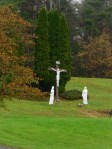
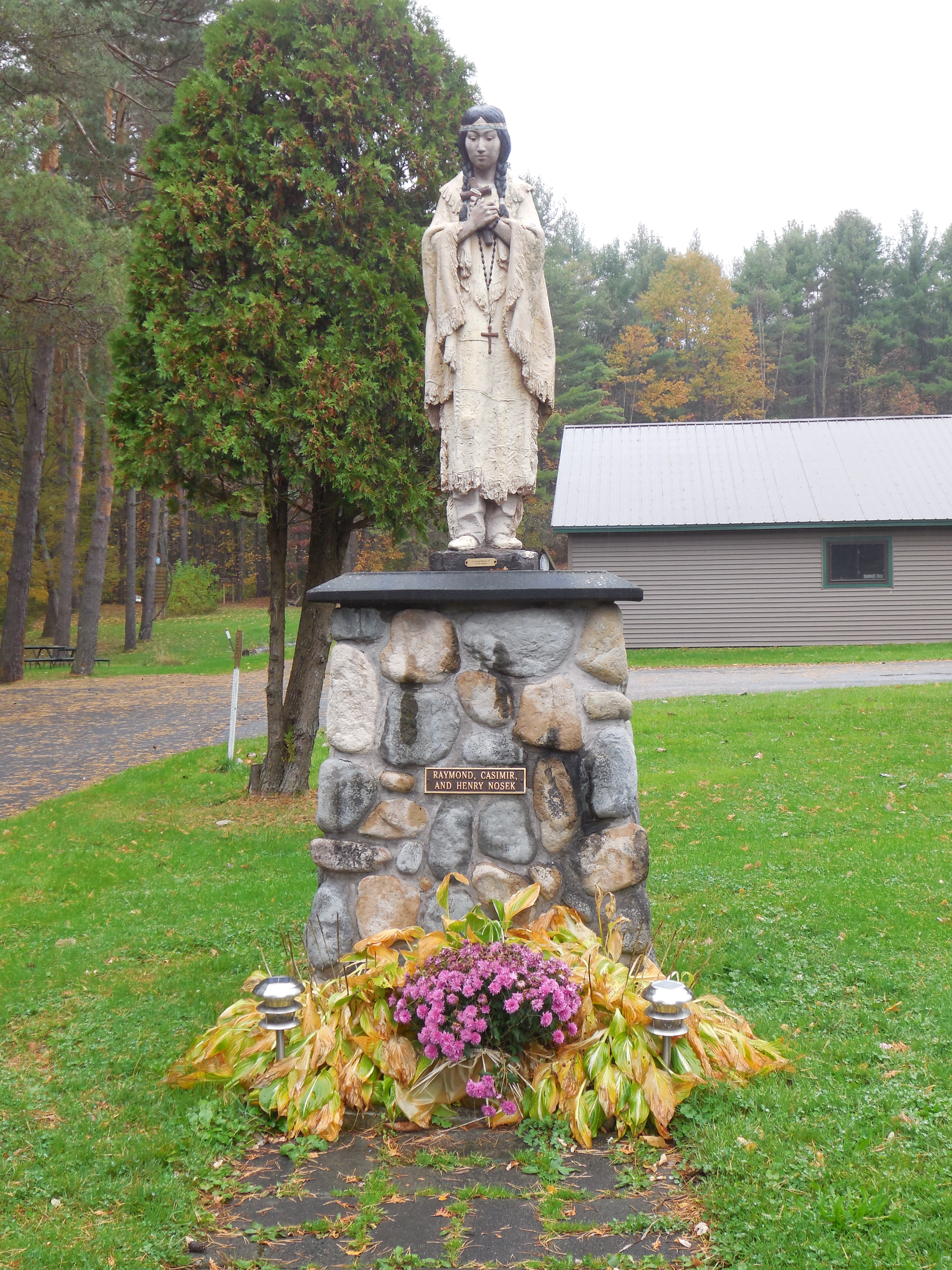
Let me share the beauty of St. Kateri Tekakwitha’s Shrine with you:
DSCN1059

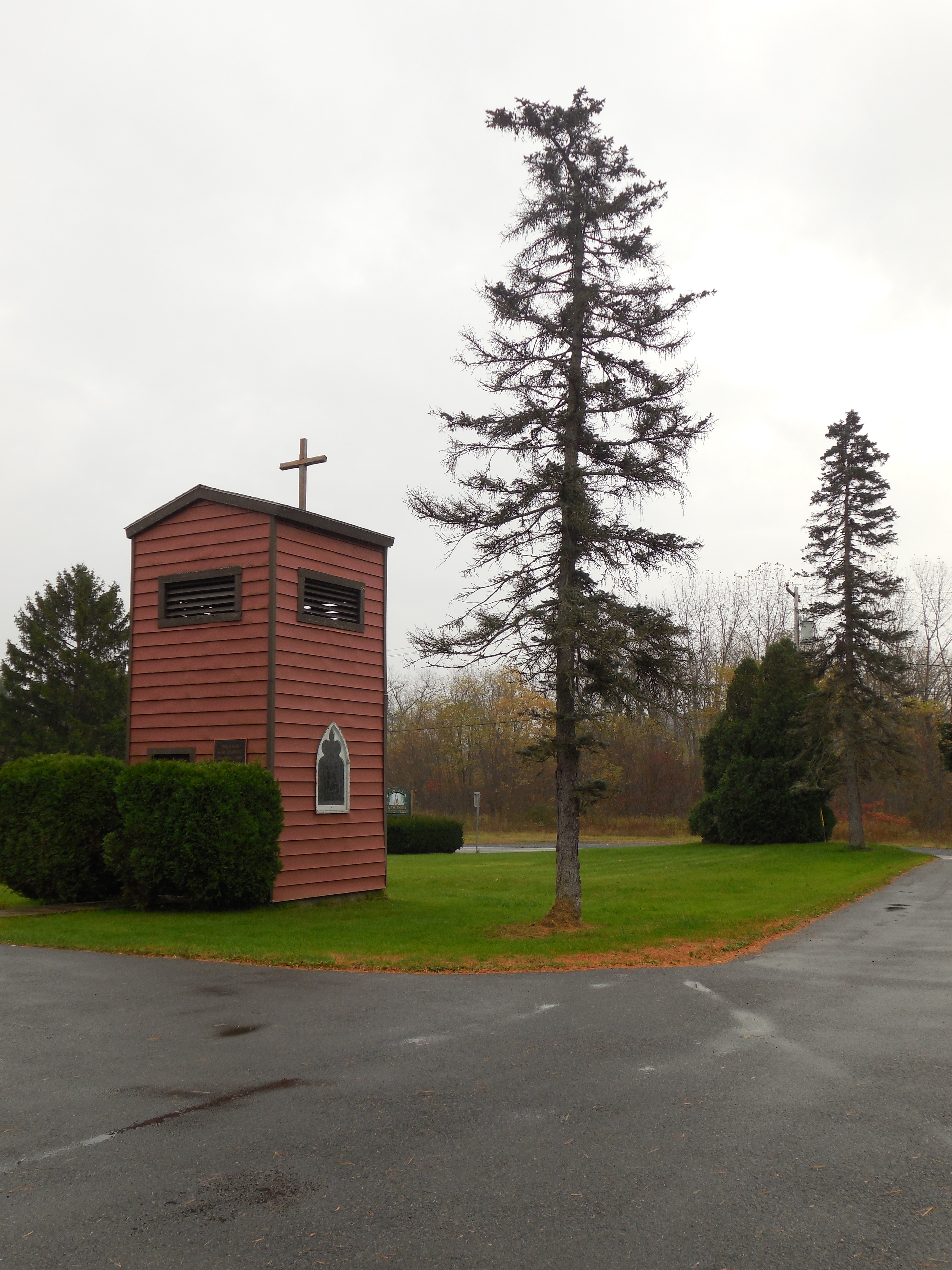
Bell Tower

DSCN1054 DSCN1055 DSCN1058 DSCN1062 DSCN1065 DSCN1068 DSCN1069 DSCN1075 DSCN1077 DSCN1081 DSCN1082 DSCN1091 DSCN1092 DSCN1098 DSCN1108 DSCN1112 DSCN1124 DSCN1125

Colonial Williamsburg

Standard

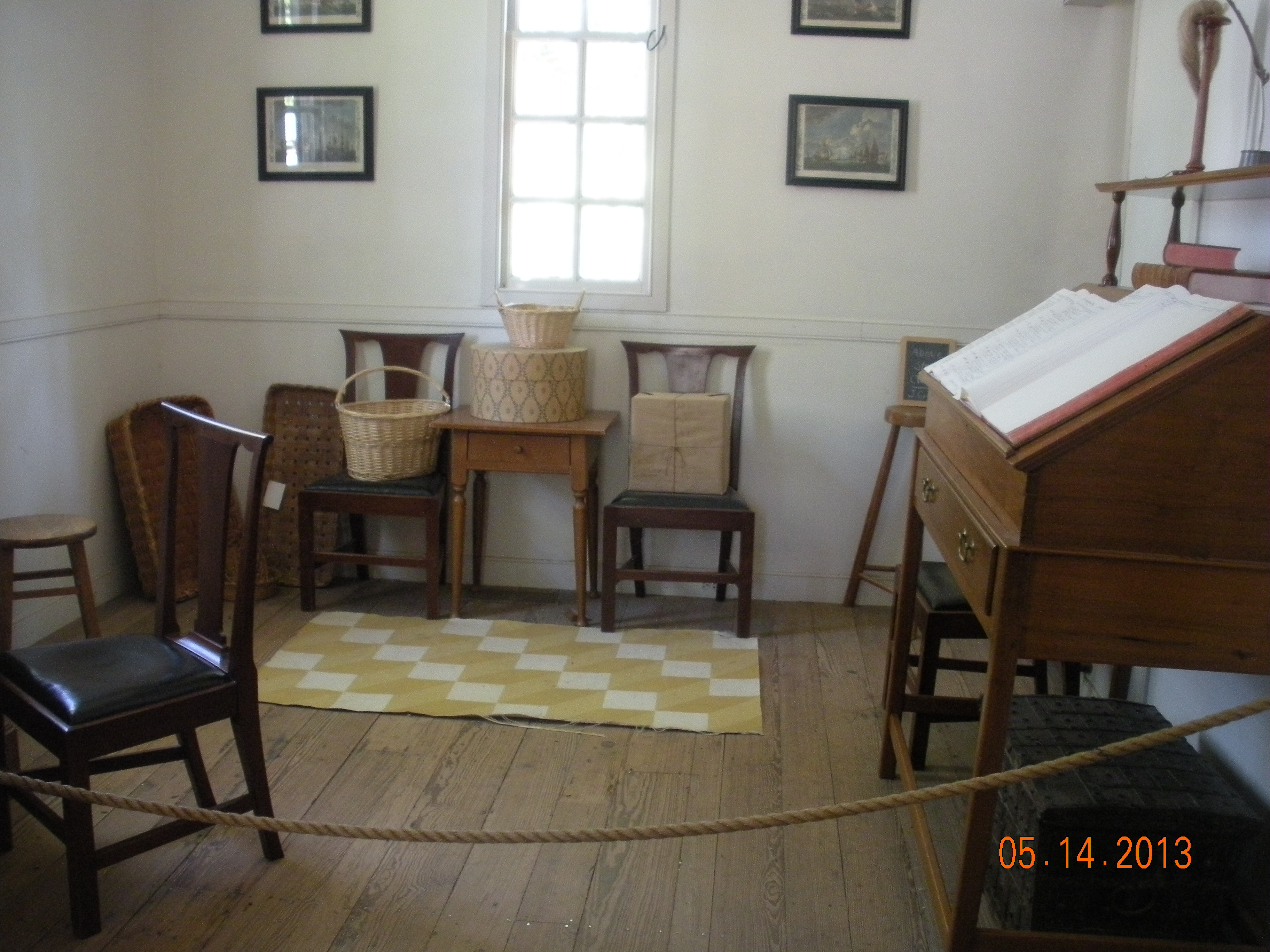
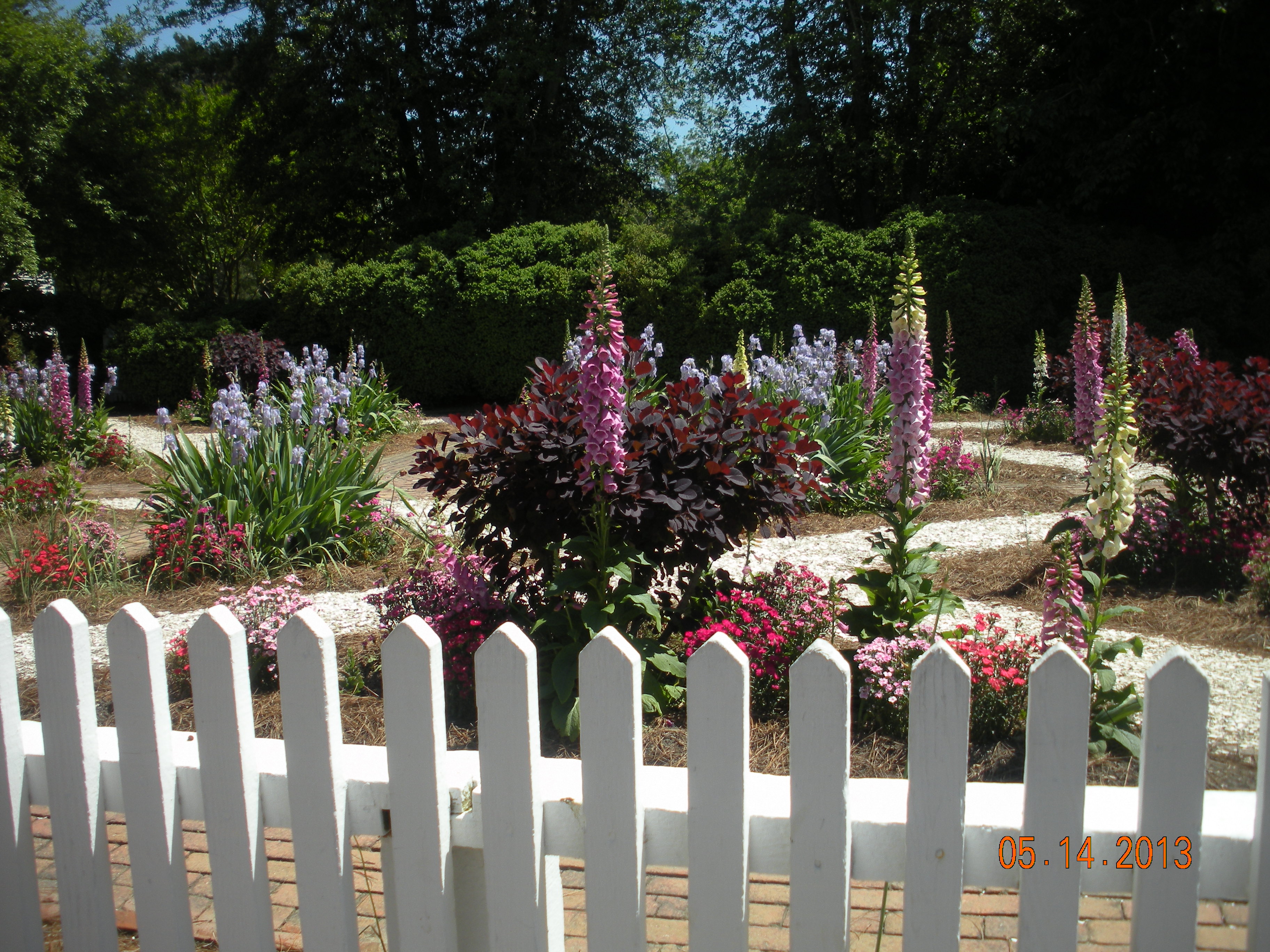
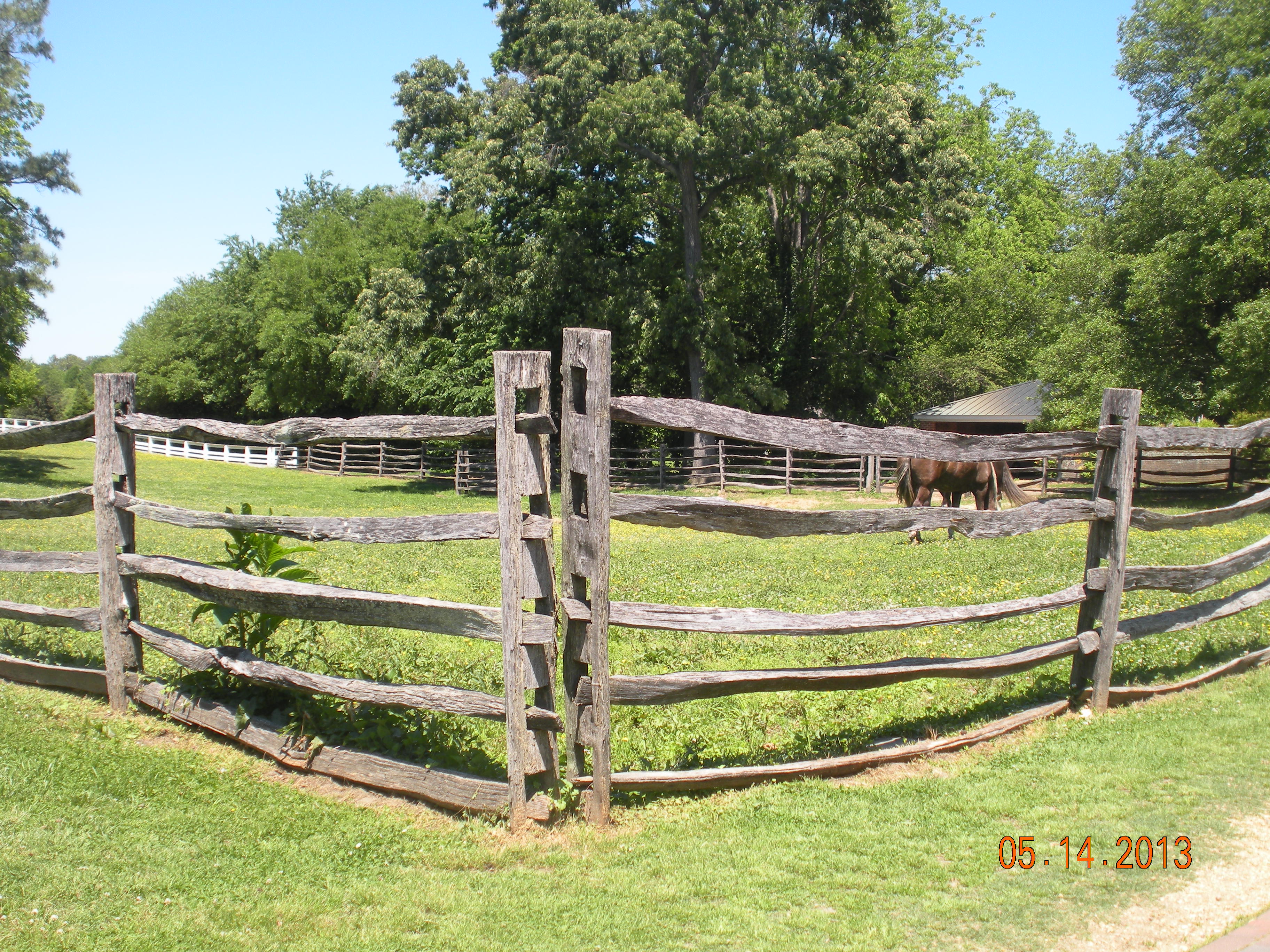
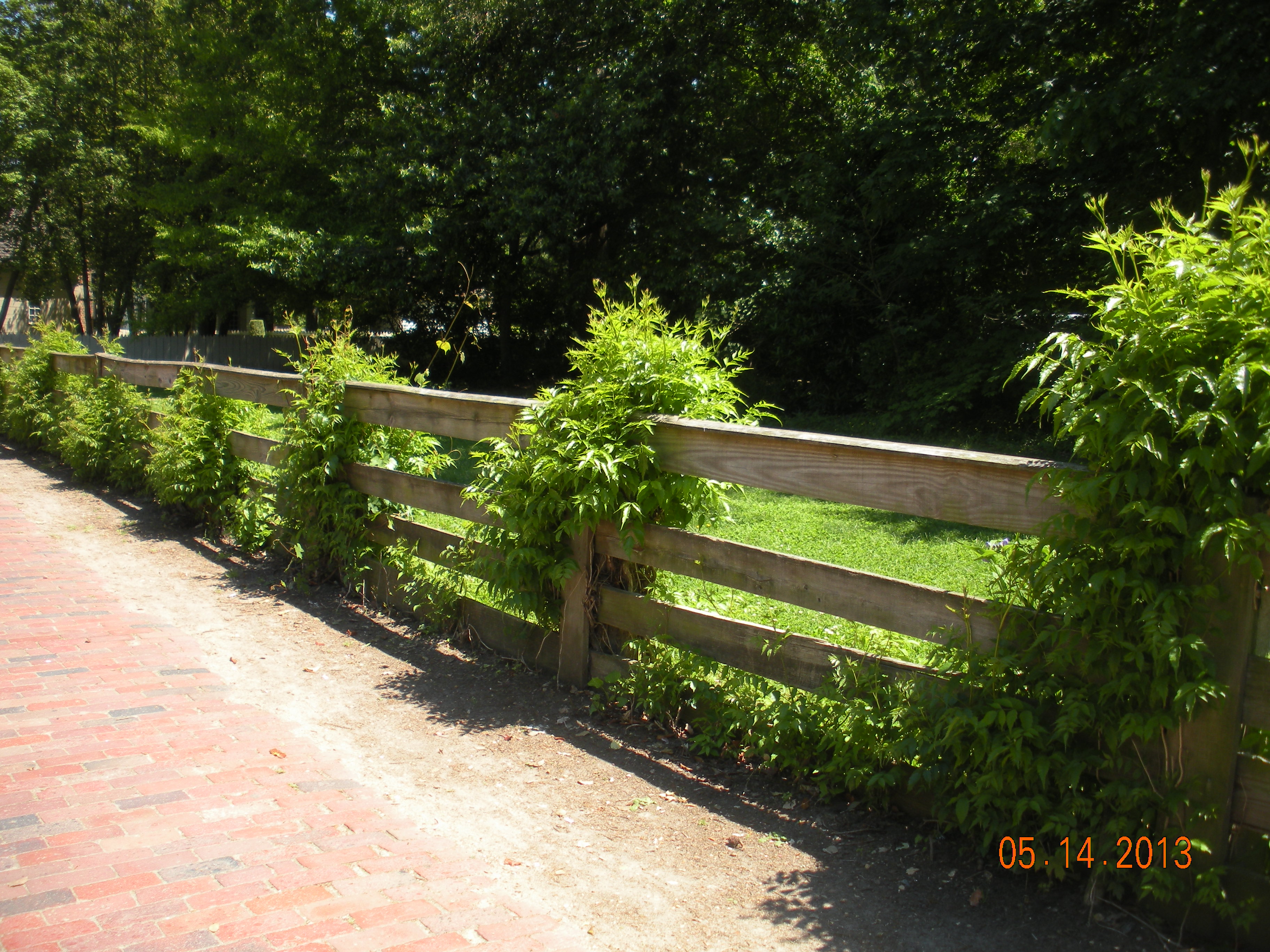
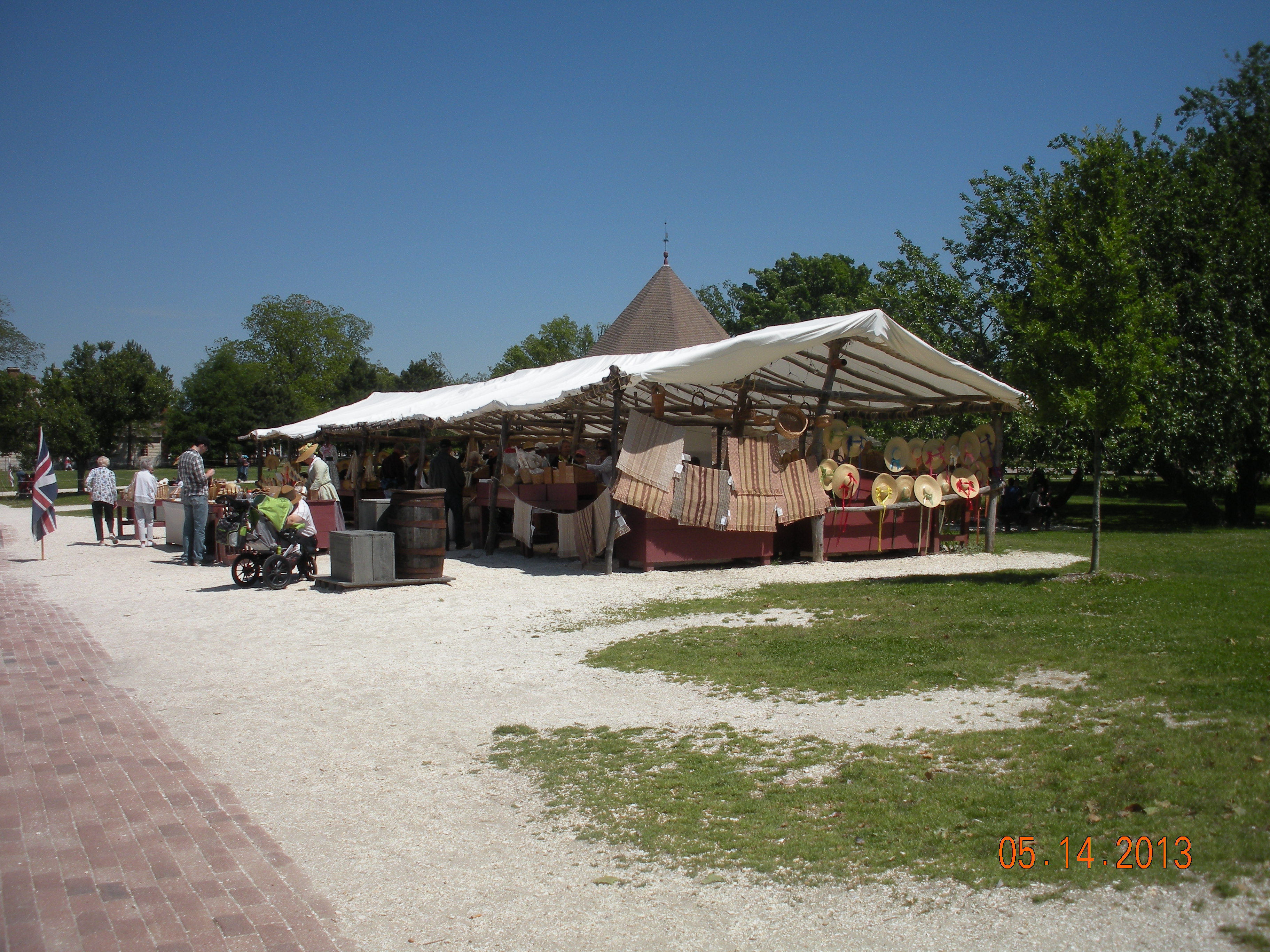
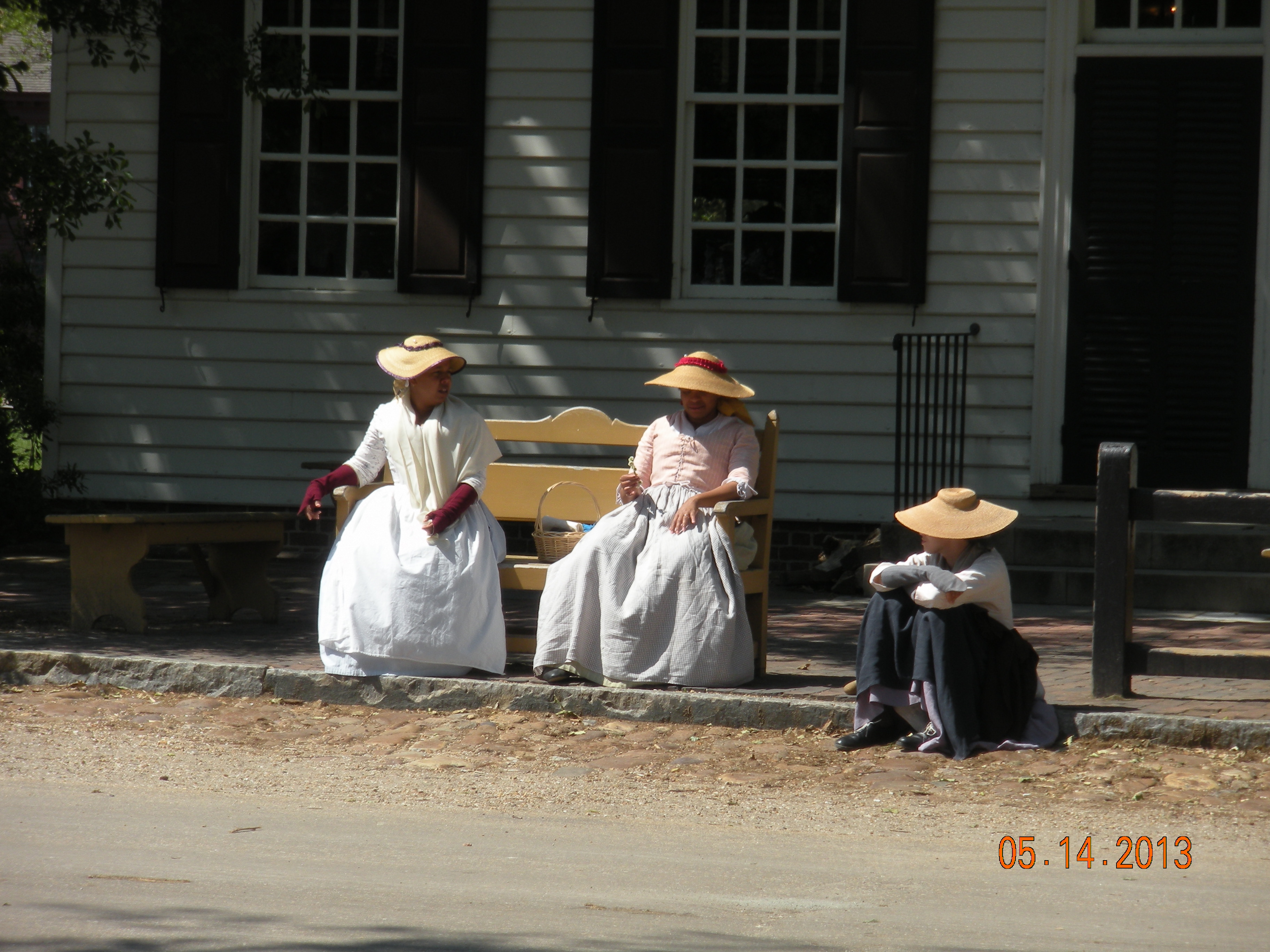
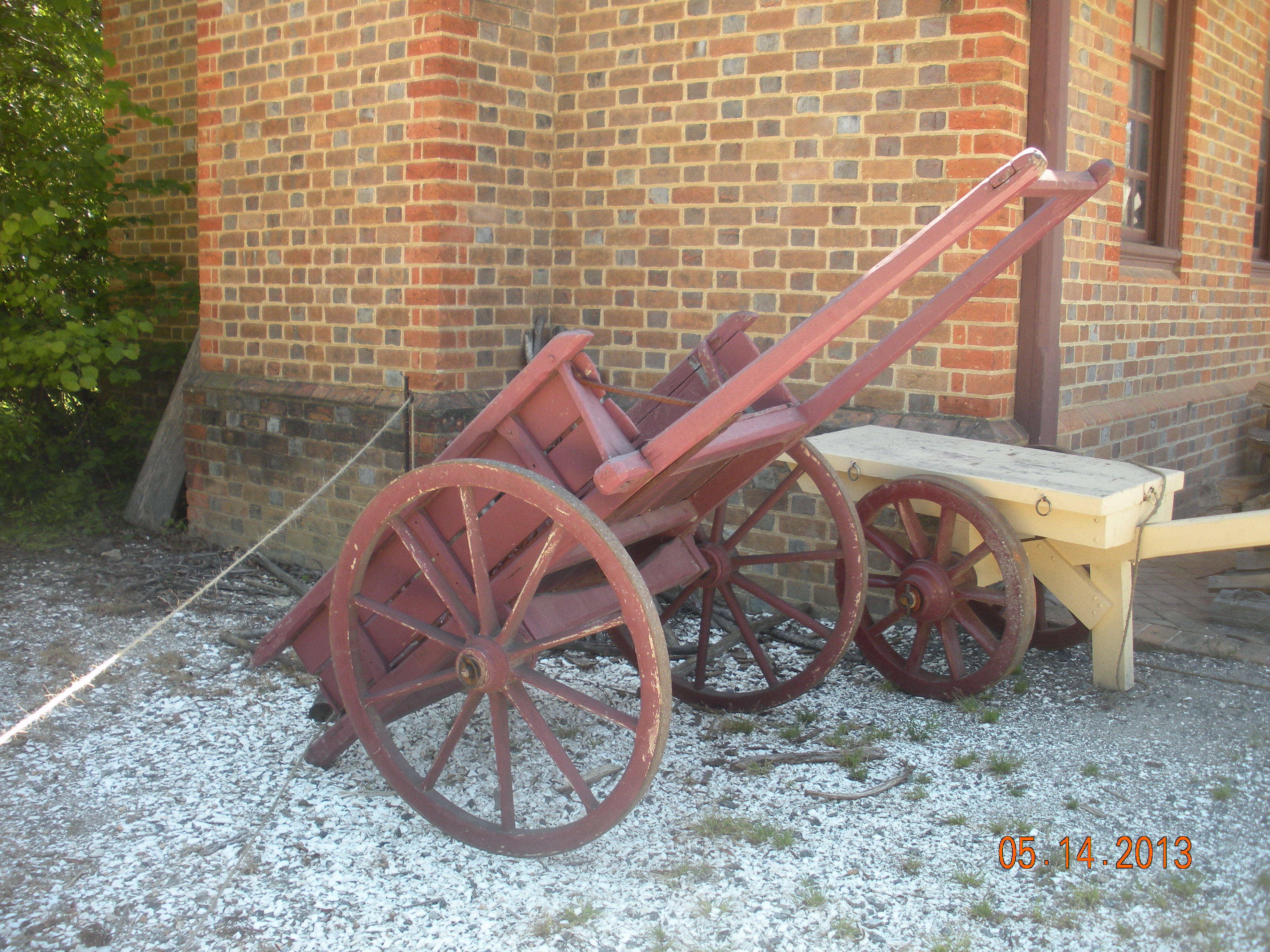
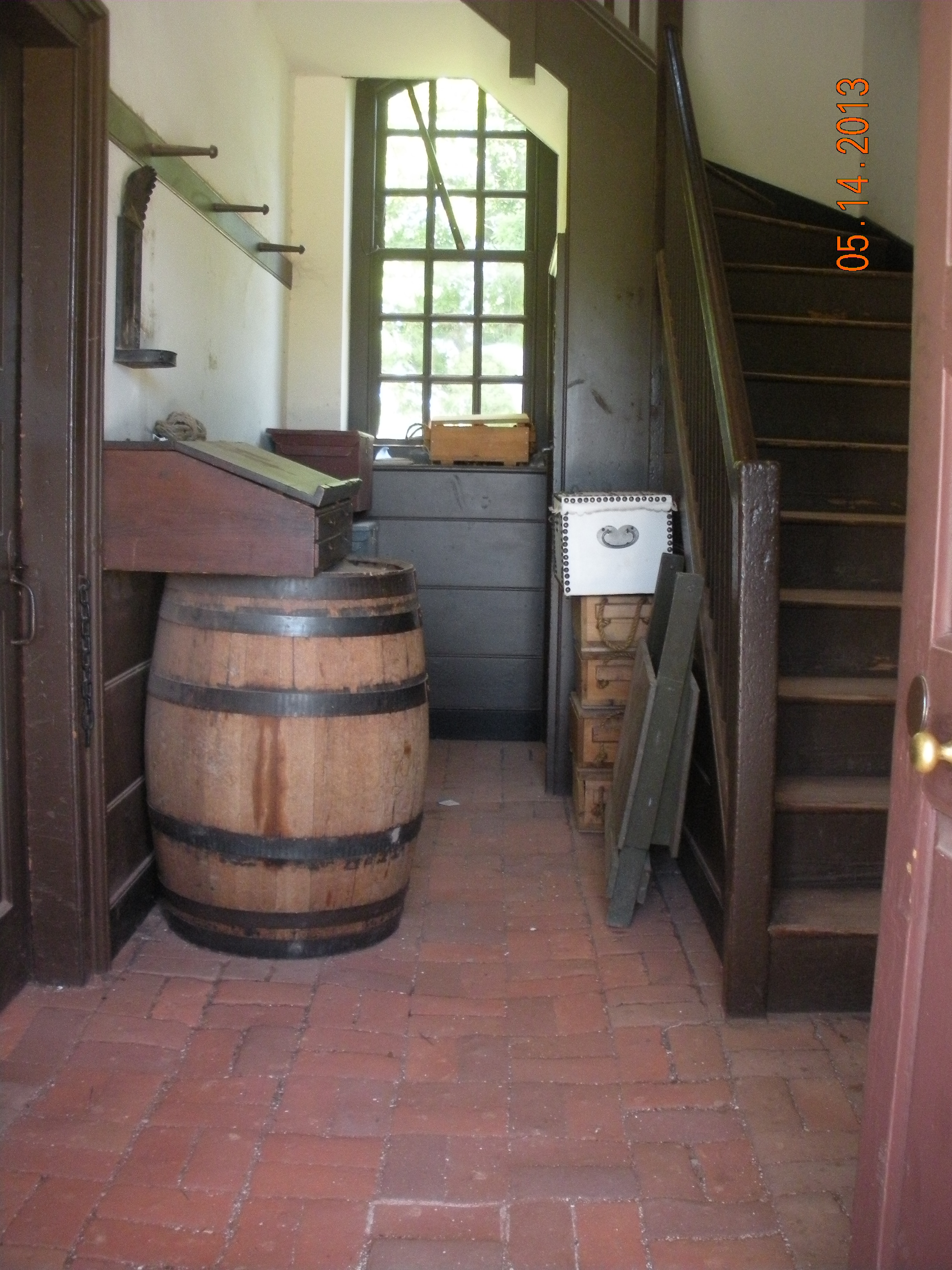
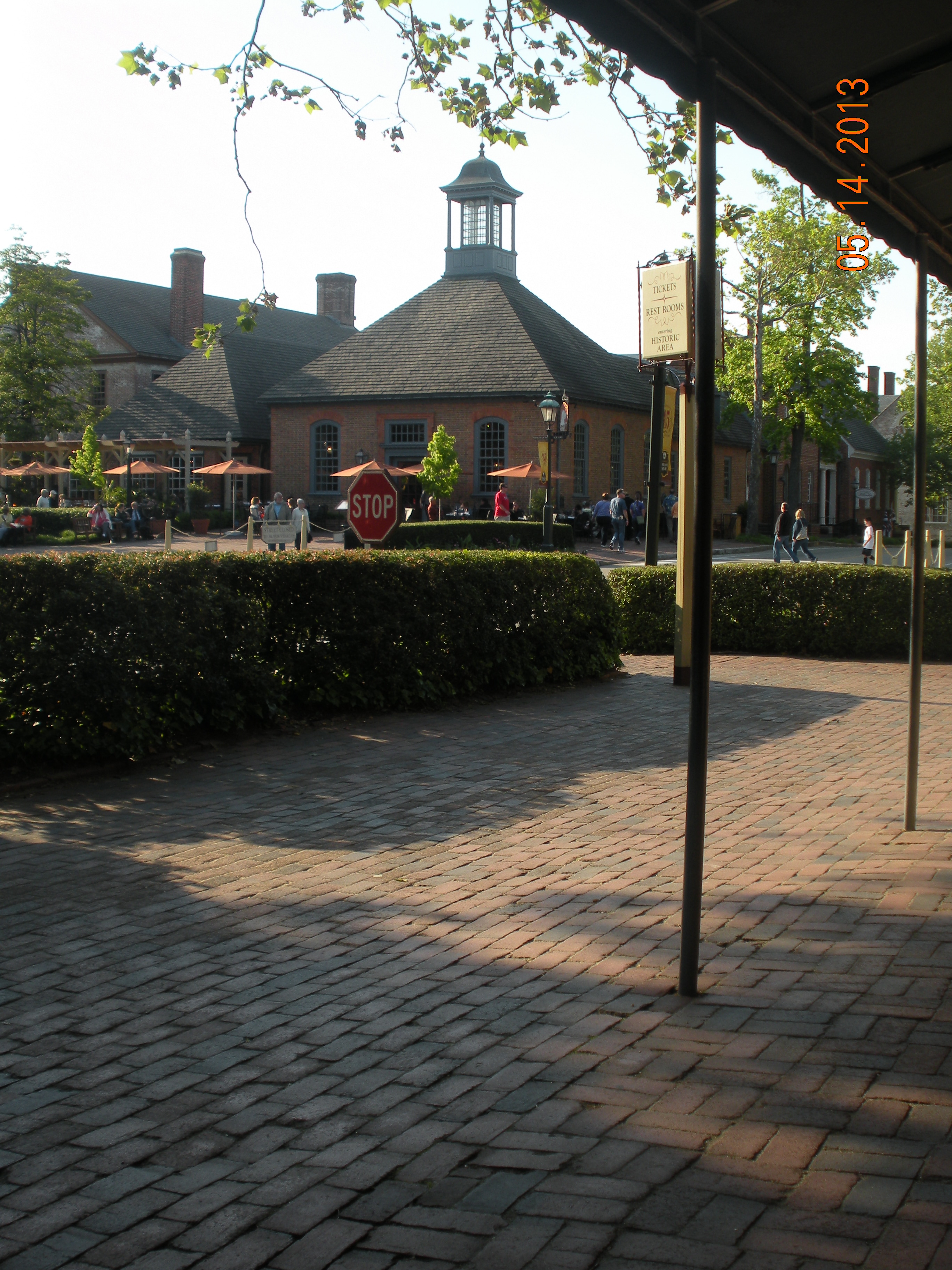
These are some of my photos from my recent trip to Williamsburg, Virginia. I spent the day on my own, so I have a lot of photos of buildings and the re-enactors as well as the gardens and horses. I will write more about it, but it truly was a fabulous day with perfect weather. The one thing I would change would be to pay attention to the schedule. I didn’t buy a ticket, and therefore wasn’t allowed into the historic end by the Capitol since there was a performance. If I had realized I would have started at that end, and been gone before they closed it to non-ticket holders.

DSCN6091

Inside the Bindery

Governor's Palace at Colonial Williamsburg

Governor’s Palace at Colonial Williamsburg

DSCN6082

Gardens

DSCN6062

Burton Parish Episcopal Church

DSCN6059

Horse and Pasture

DSCN6054

DSCN6148

The Courthouse

DSCN6099

The Courthouse. To the left is a cider stand. To the right, barely in view are the stocks

DSCN6095

Market Center
DSCN6097

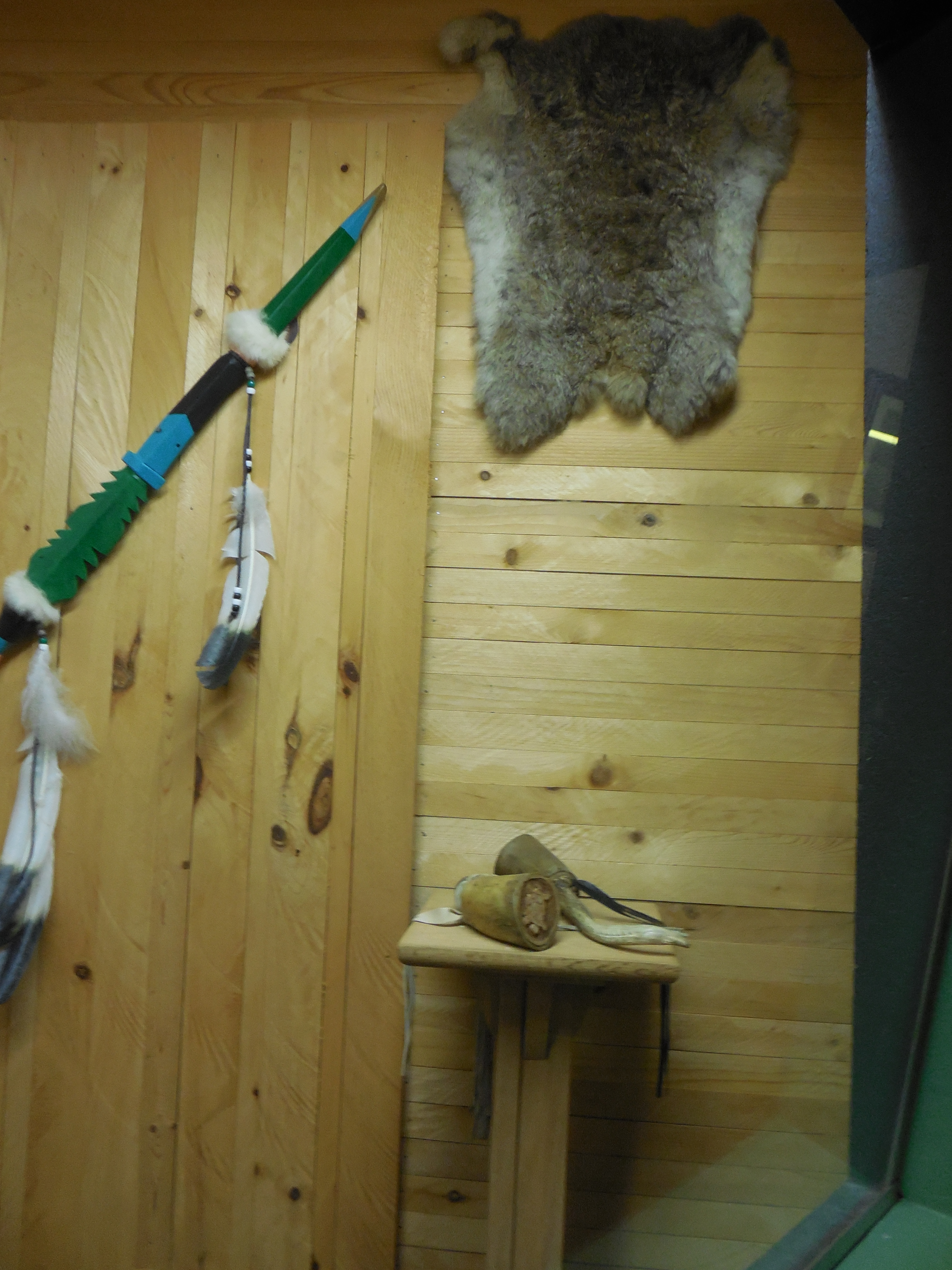
Two women play traditional Colonial games at the market

DSCN6128

DSCN6127

The Capitol

DSCN6126

The Town Crier…..on a Segway

DSCN6116

Sitting in front of the tavern

DSCN6113

Horse and Wagon

DSCN6103

The Armoury

at Colonial Williamsburg

at Colonial Williamsburg

DSCN6104

DSCN6166

Bus stop in front of the Historic Information Booth, across from Merchant Square

DSCN6160

Behind the Information Booth