I wanted to begin by acknowledging that I write this (and most of my writing) from the traditional, unceded land of the Haudenosaunee Confederacy, primarily the Kanien’keha:ka or Mohawk people.
I have always been a student of history with a deep interest in New York and Native Iroquois since childhood and have a deeper appreciation and understanding through my research for my book about St. Kateri. It is with that basis and love that I share some resources, for reading, for music, for traveling for some of the indigenous spaces in upstate New York and southern Canada.
There is still a long way to go in acknowledging what the governments of the United States and Canada have done to the Native American and First Nations peoples of North America. I’m being naive in thinking that Native American Heritage Month in November when Thanksgiving occurs is completely unrelated. However, it is what it is.
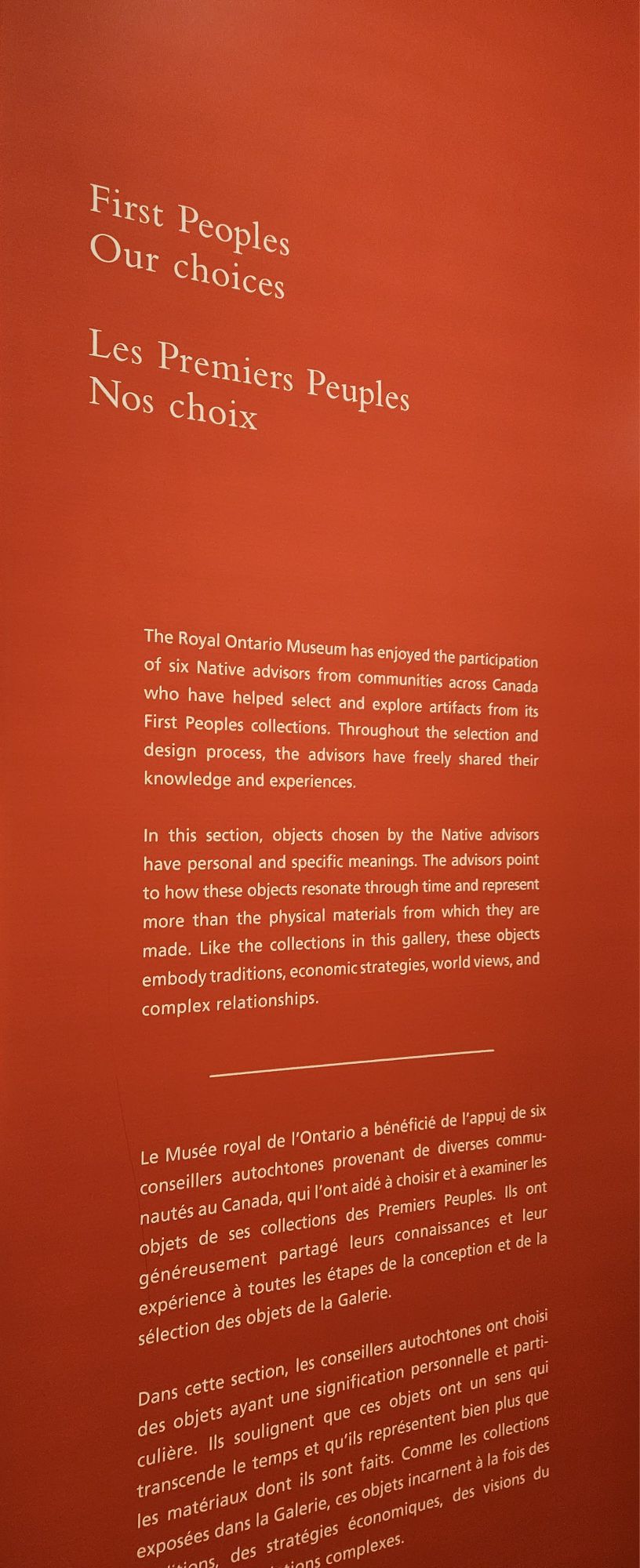
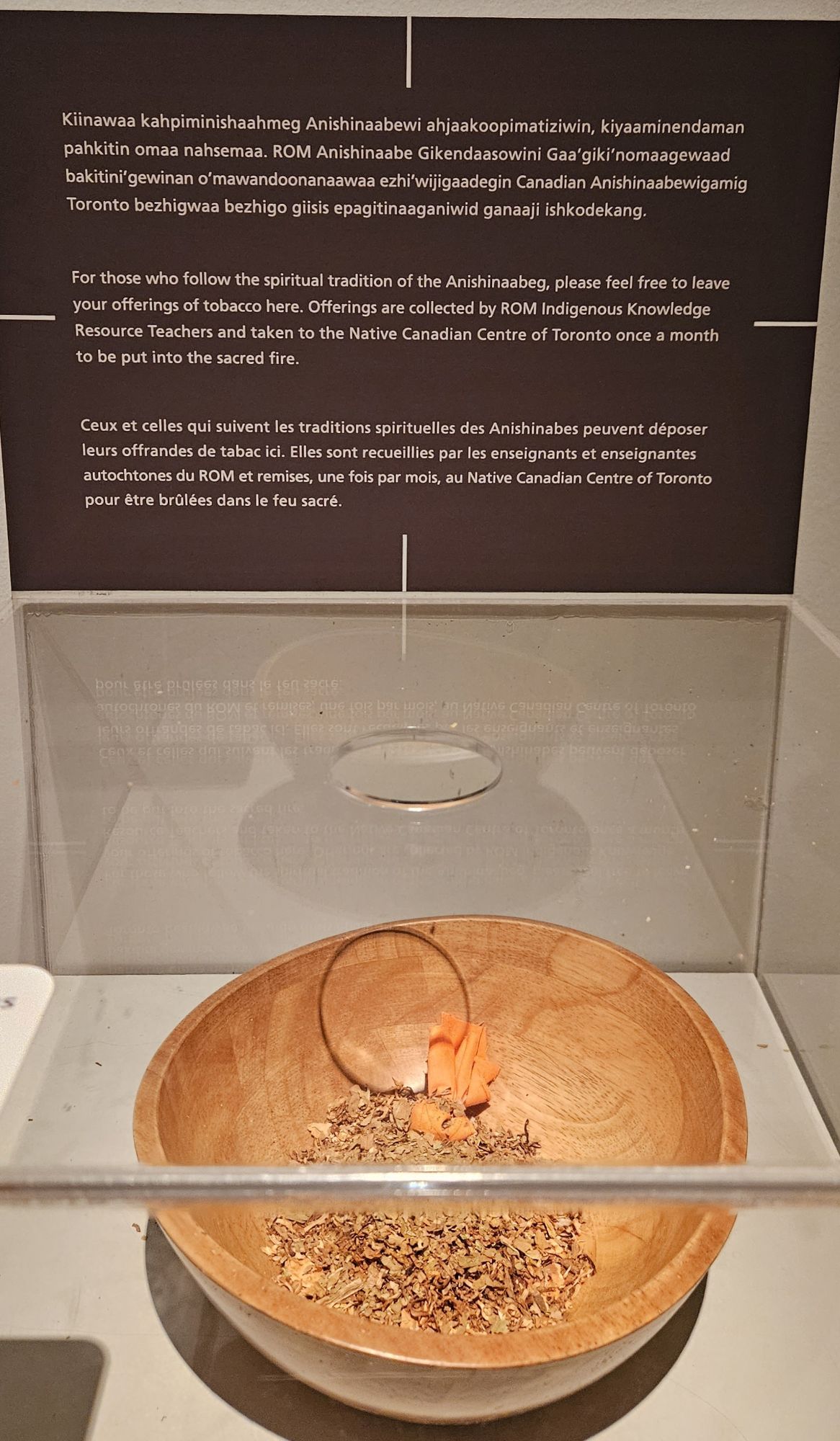
I thought I would share some of the things and signage that I noticed on our recent visits to Canada. The Royal Ontario Museum in Toronto has a large First Nations exhibit. I think it took nearly an hour to get through it and I could have probably stayed longer.
In addition to the following photos, when we visited the Canada Aviation and Space Museum in Ottawa, I noticed a sign at the entrance that said: Ingenium [Canada Aviation & Space Museum] offers free admission to all active Canadian military personnel, Canadian military veterans, Indigenous peoples, including First Nations, Inuit and Métis, and a support leader accompanying a person with disabilities. When available, presentation of an Identification Card is requested.
I noticed this in several museums including the ROM.
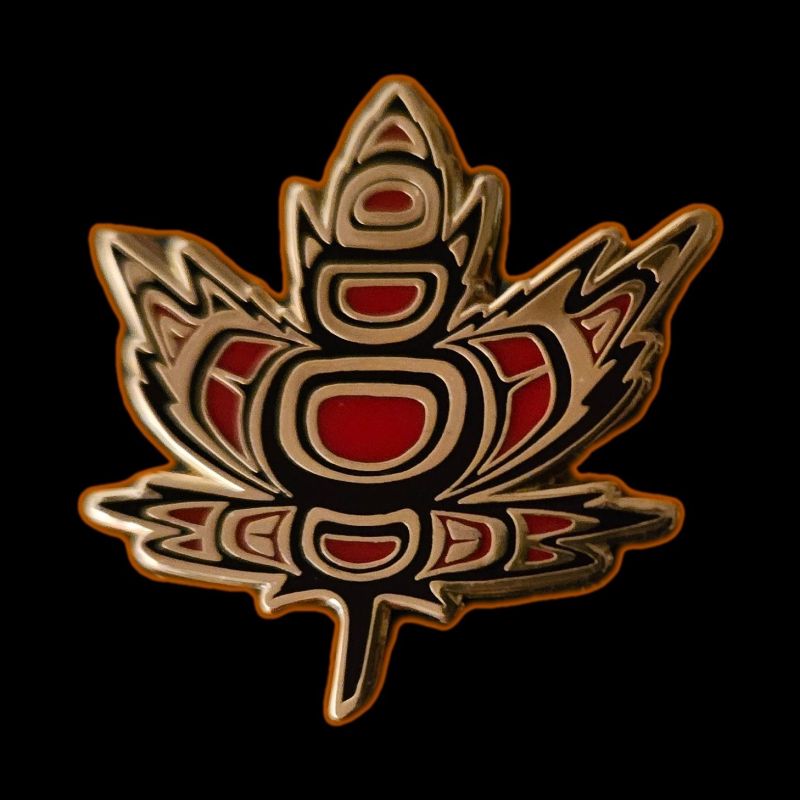
There was also a discount for the gift shop as well as Indigenous pins and souvenirs.
In the United States, it is on my bucket list to visit the American Indian Museum at the Smithsonian in Washington, D.C.. There is also a location in New York City. Check out the website for hours of operation. Admission to both locations are free.
When I was studying Catholicism and becoming Catholic, I wanted to know which saint shared my birthday. As it turned out, when I discovered that “my birthday saint” was St. Francis Xavier, I was a little underwhelmed. Every time I said his name I thought of Rufus Xavier Sarsaparilla, and I thought couldn’t I have had a better saint.
I bemoaned and ignored him, later discovering him as a follower of St. Ignatius of Loyola, who’s Spiritual Exercises and Daily Examen I was also looking into. Still, I was unsatisfied. I think I wanted someone like Joan of Arc or Mary Magdalene.
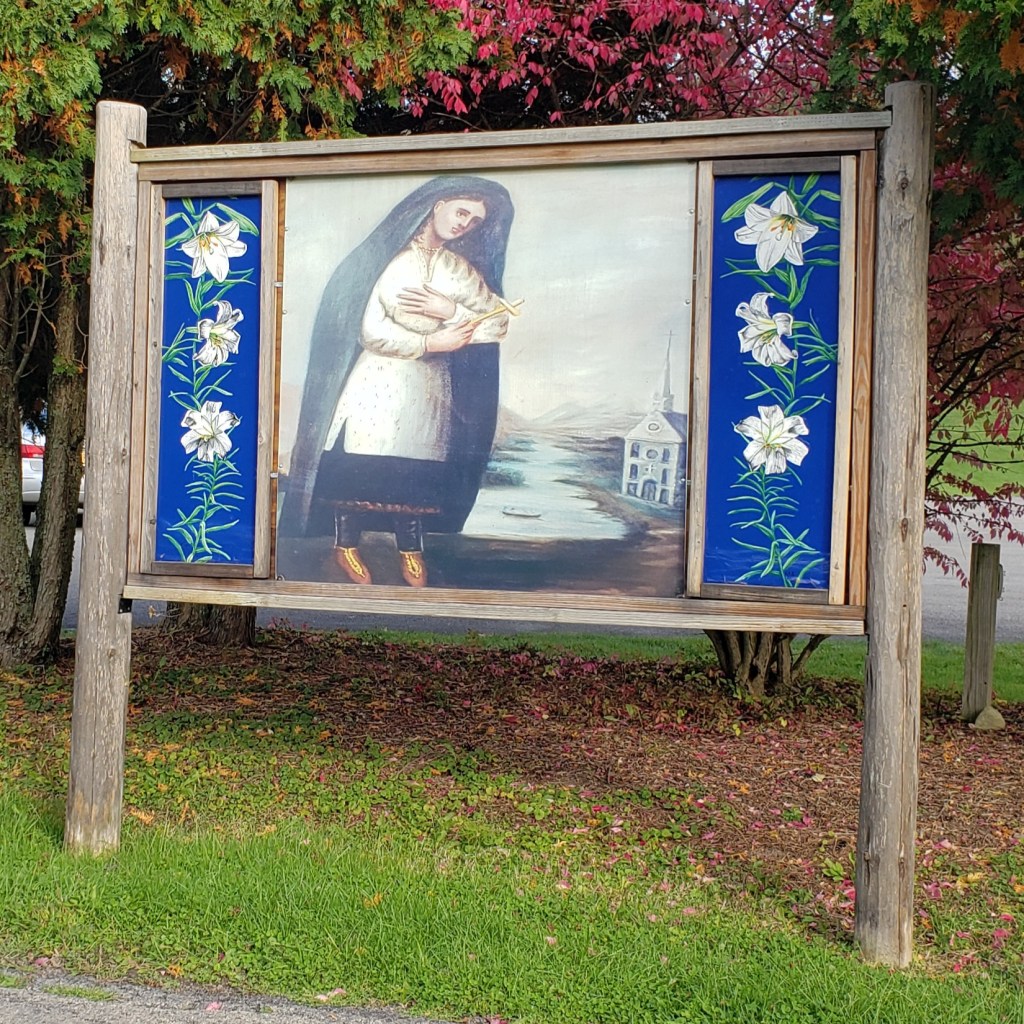
When I became interested in and devotional to St. Kateri Tekakwitha, a very local saint and the first Native American canonized saint, I wanted to visit her homes and her shrines. I’ve often been to Fonda, where she lived for most of her life, and tried to visit her tomb in Quebec. However, it was during covid, and they weren’t allowing non-parishioners or pilgrims to visit the shrine.
Where exactly is her shrine in Canada?
Kahnawake, Mohawk Territory at the, wait for it, St. Francis Xavier Mission Church.
Really. Her earthly bones, her relics are laid to rest in the church dedicated to “my birthday saint”. A truly remarkable and at the same time ordinary coincidence.
I’ve been to Kahnawake three times. The first was during that covid time when we could only explore the outside. And then this past summer, I was able to visit Kahnawake twice. The first time we visited, we knew the church would be closed on the only day we had available, but we did attend a tour of the village through the Kahnawake Tourism Center. We received a very detailed and informational tour about the area, the Mohawks past and present, St. Kateri, and a bit about the mission church. On our next visit at the end of August, we were able to not only visit and see the inside of the church, we were also able to attend mass, see the original and earliest painting of Kateri by Father Claude Chauchetiere (one of the Jesuit missionaries at the time) as well as her relic that was removed from the vault for us to observe and venerate (if we chose to).
This mission church is a permanent building and was erected in 1716. Before that it was a moveable mission that traveled with the Mohawks beginning in La-Prairie-de-la-Madeleine. They moved a total of five times each time their mission church was constructed the same as the other Mohawk buildings until this last time in its permanent location. St. Kateri’s remains were entombed here in 1972.
Inside the church, in addition to St. Kateri’s tomb, are two memorials: the first is to the Mohawk men lost in the Quebec Bridge disaster in 1907, and the second is an ironwork replica of the World Trade Center’s Twin Towers in honor of 9/11. Both are on the main altar. It should be noted that the Mohawk are known for their ironworking skills, and were large parts of crews building not only the World Trade Center, but the Empire State Building as well in addition to many other high-rise buildings and skyscrapers across the area.
When we visited the Royal Ontario Museum this past August, I knew that I could not visit every nook and cranny as much as I might have liked to. I also knew that with five of us having different interests that we were going to get very frustrated very quickly if we stuck together. Upon entering and deciding who wanted to pay extra for the special dinosaur exhibit, I announced the three places that I wanted to focus on and whoever came with would be welcome, but if they wanted to explore on their own and meet back through texts, that would be great.
As an aside, I do miss my little ones, but I really appreciate going on vacation with teenagers and older kids because of this freedom for all of us. I didn’t want to see the dinosaurs; more to the point, I didn’t want to PAY to see them, so I didn’t. My daughter was not a fan of medieval arms and armor and so she veered away from that. The technology of texting let us know where the others were when we were engrossed in our little worlds. It was fantastic! And I think we all benefited from the freedom to explore our interests and the freedom from each other for an hour or so.
My three focuses were in the areas of First Nations, Medieval History and Arms & Armor, and Judaica.
I’ve mentioned earlier in the year about a retreat I went on in June, which had stayed with me for weeks, and now, for many months. It still reverberates in me. I was privileged to be in attendance as it was guided by Terry and Darlene Wildman. Terry and Darlene are known for their music, which ironically, I did not know until they arrived and began playing and singing.
The retreat was primarily centered around the First Nations Version of the New Testament, and the weekend was filled with music, Scripture, prayer, Native American spirituality and ceremony, and really good, deep conversation.
When I awoke on the first morning, I knew that there was something special about this weekend retreat. I was awake early; not drowsy, and ready to start my day. I was reinvigorated. This is very unusual for me. While I’m very comfortable at this retreat house, I can never quiet my mind down enough to sleep at a reasonable time. On this weekend, this retreat gave me the exact opposite experience. I went to sleep every night before midnight (sometimes long before) and woke up refreshed at around seven in the morning, without an alarm, and with the sunrise shining out of my window.
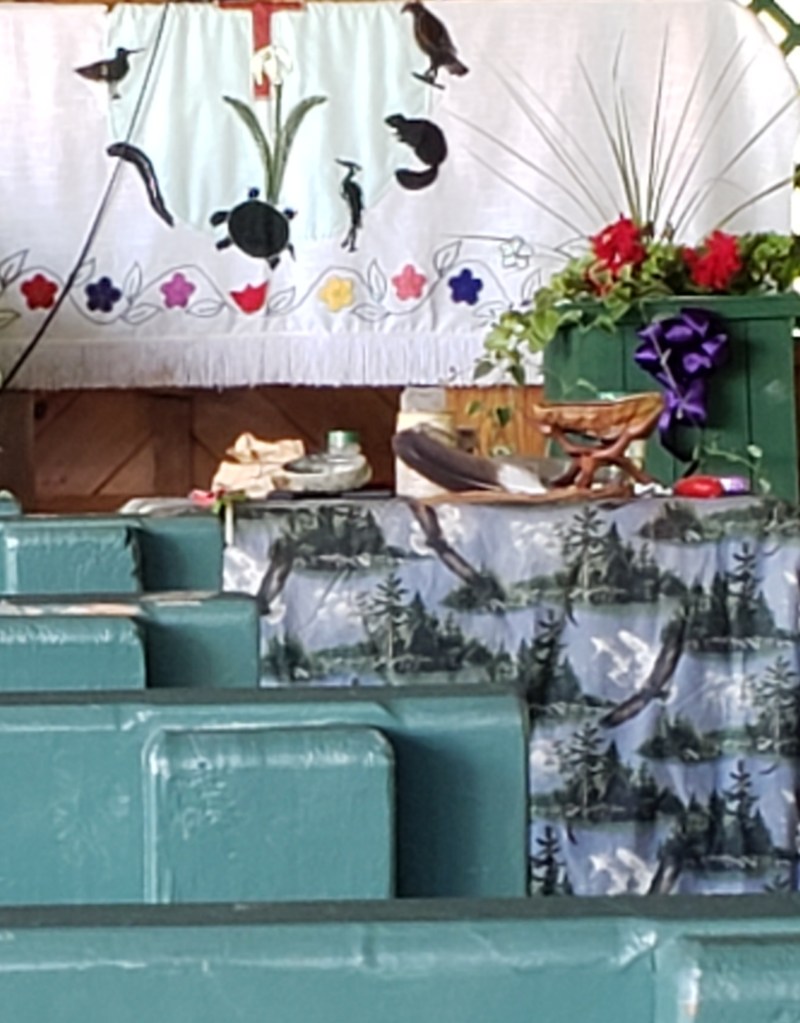
The evening before and again on that first morning, we went into the warm courtyard where a sacred fire was burning. Darlene held an abalone shell with burning sage, smoke rising, guided by a large feather. We prayed in the seven directions, and then each of us had the opportunity to purify ourselves with the smoke, using our hands to bring it in, while the feather helped the smoke. I think we also had the opportunity to add a pinch of tobacco to the fire.
This table held the sacred plants for smudging and purifying: braided sweetgrass, sage, cedar, and tobacco as well as a large feather, traditionally an eagle feather along with an abalone shell to hold the smoking sage. (c)2023
It was a very profound experience, and it enhanced the rest of the prayers that we each would do that day. I found it very natural and complementary to my own rituals. It was a wonderful experience.
In the months since, I’ve immersed myself in local Native American history. I haven’t changed my religion or coopted anyone else’s, but I have found a place in my daily readings for the First Nations version. I read from this Bible every day in June and continue to do so during my weekly prayer time. While I was on vacation, I recorded the daily readings in my notebook, and took photos of those pages to bring with me for my daily prayers.
I spent time with other experiences of Native American spirituality and storytelling, reading a book by Mohawk Elder Tom Porter, and completing a historical account of Wounded Knee. I’ve also spent time in the museum at the St. Kateri Shrine in Fonda, examining the Caughnawaga archaeological site, and touring the Mohawk village of Kahnawake in Quebec. Next year, I plan on attending the Strawberry Festival in Kanatsiohareke, just west of Fonda, New York.
All of this was a direct result of that holy weekend.
I’ve spent weeks listening to the music of RainSong, the music of Terry and Darlene whenever I get into the car. I sing along and it brings me back to that weekend and the feelings of being closer to G-d, and of being uplifted spiritually. My favorite CD so far is Hoop of Life, which has many of the songs that Terry and Darlene shared with us on our weekend.
Use the links throughout this post to meet Terry and Darlene and find your own way to their wonderful sounds.
Indigenous Peoples’ Day was Monday, nearly a week ago, but that doesn’t mean that now we can forget about an entire culture, language, history, or a people. I usually will say that especially in the Northeast, where the Iroquois, more properly known as the Haudenosaunee lived, we should remember them. There are several things wrong with that sentiment though, and I am embarrassed to admit them. For one thing, the Haudenosaunee live, now, among us. They cover the six nations: Mohawk, Onondaga, Oneida, Cayuga, Seneca, and Tuscarora, across all of New York State and the international border with Canada. For another thing, Native tribes have lived on this continent from ocean to ocean, from the time when there were no borders at all. Just like our states, their nations had rivalries with others, they had distinctive cultures separate from one another. It’s important to remember that Native culture, whatever nations are represented, they are a living, breathing group of people, and it is well past time to recognize their contribution and their sacrifices. I’ve had several people (non-Native, I should note) that it was in the past, it’s history, there is nothing I can do, and that attitude disturbs me on many levels. I don’t know if it’s a connection I feel to the people whose land I live and work on. I don’t know if it’s from my childhood admiration and longing to be more involved in the limited Native culture around me as a child. I don’t know if it’s because of my Jewish background where people will say the same sentiment: it’s history, why are you still upset about…? I will call out some by saying that the same people who say that the Trail of Tears and stolen land in the 1880s and 1890s is “ancient history” and we “need to move on” are the same people who insist on the rest of the country worshipping a man who died over two thousand years ago. The continued hypocrisy is staggering in so many ways.
I have a few thoughts and photos that didn’t make it onto the website on Monday, and I hope to share them with you today and in the early part of next week.
I have been fortunate to have visited the village of Kahnawake in Quebec, Canada three times. Kahnawake piqued my interest through my studies and research of St. Kateri Tekakwitha who was born, lived, and was baptized very near to where I sit right now. Each visit was unique in that I saw new things and learned new things each time. The first time during covid was very limited to the outside world and was a superficial encounter. The second time had a decidedly Mohawk perspective, and the third time was more of a Catholic and Mohawk-Catholic perspective. Each visit gave me a new outlook, answering questions and thoughts, and offering insights that raised more questions and contemplations. I expect and look forward to returning next year to do some more research as well as visiting their language and cultural center that we were unable to see previously.
These photos are a little taste of the village. I will also share the one thing that really surprised me. The Mohawk in Kahnawake primarily speak English and Mohawk. Their street signs and stop signs are in those two languages. I thought the second language would be French. As I said, there is always something new to learn.
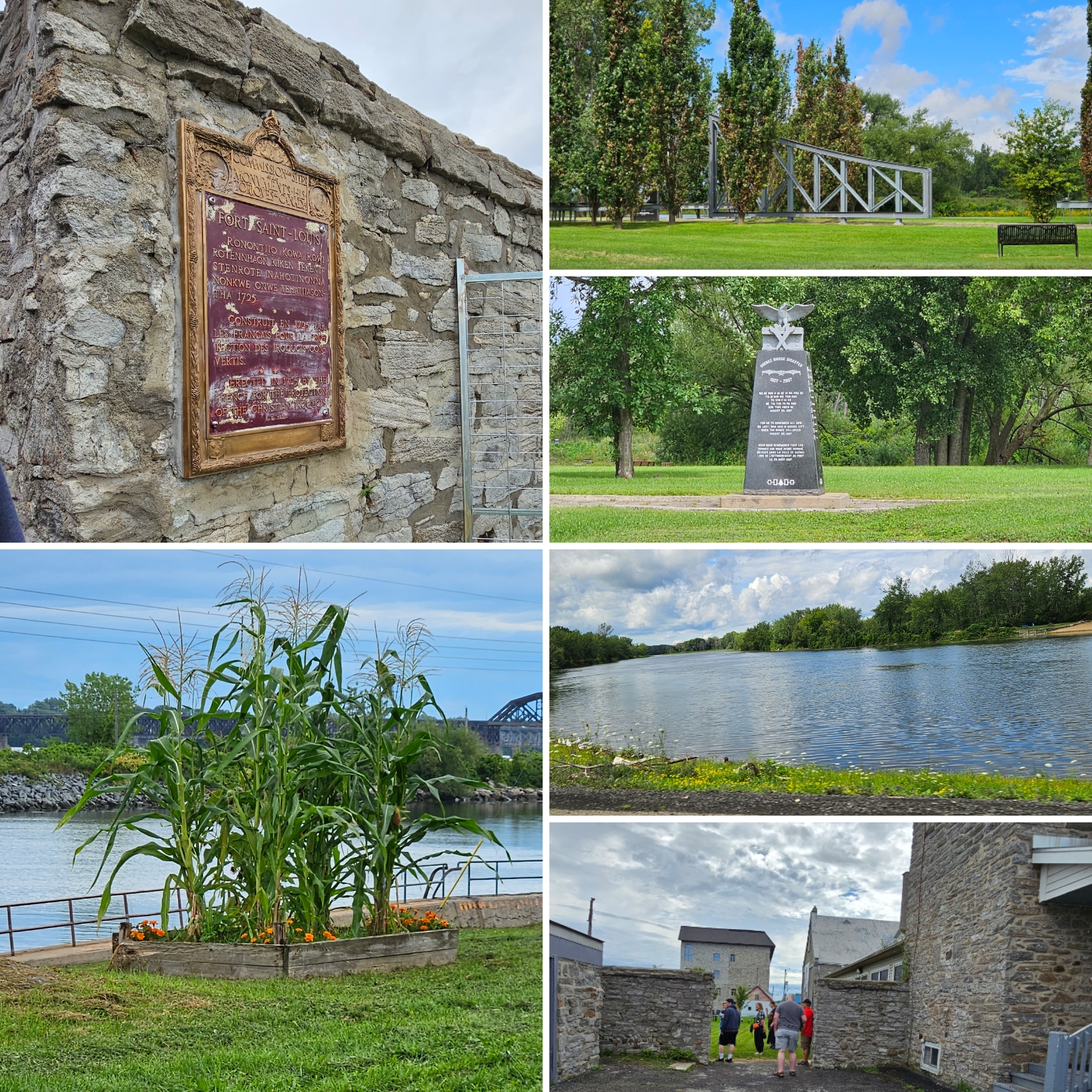
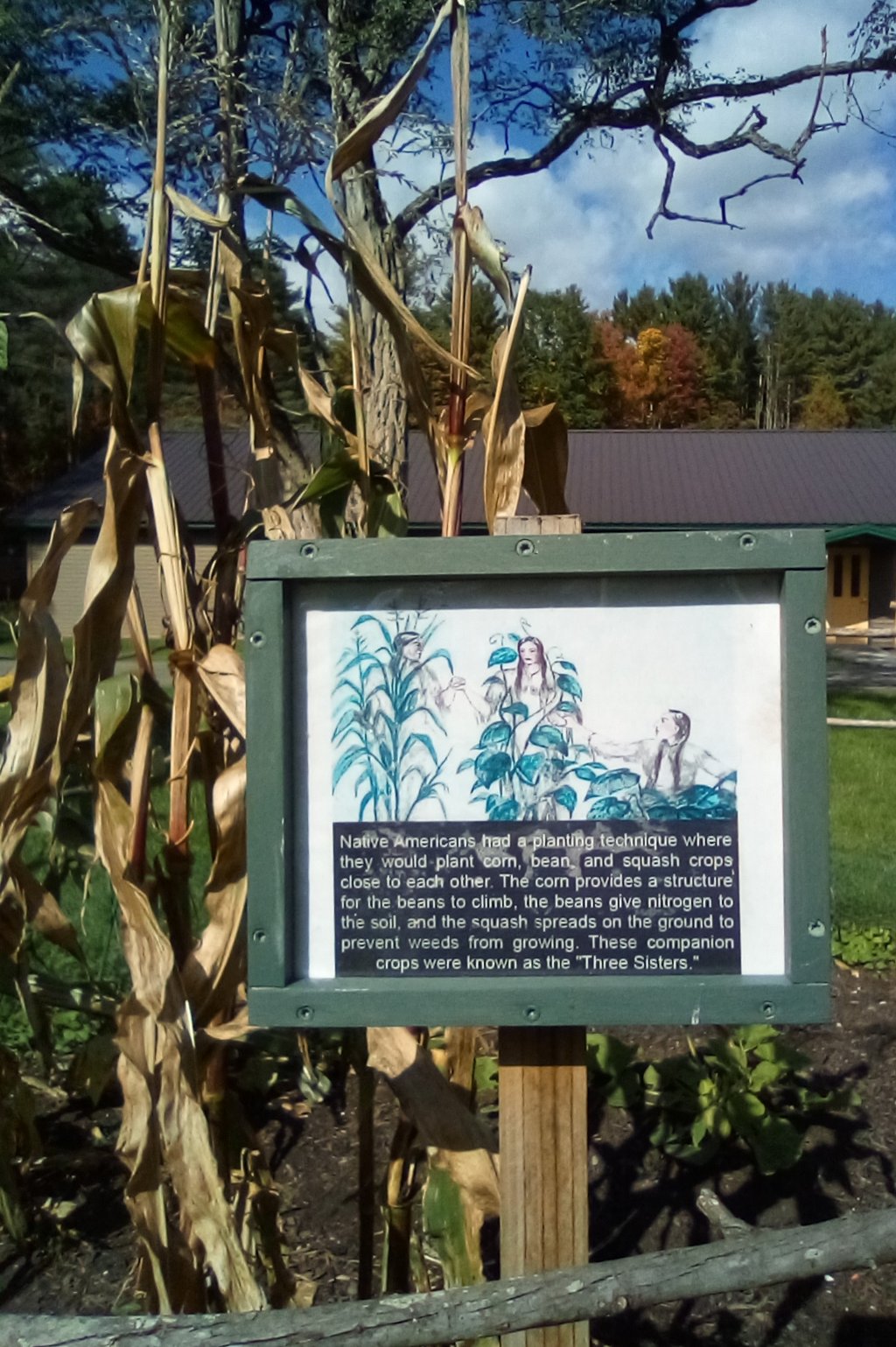
From the top, clockwise: Original wall of the Fort Saint Louis, Replica of the Quebec Bridge, Memorial to those who perished in the Quebec Bridge Disaster, part of the St. Lawrence Seaway, the back of the St. Francis Xavier Mission Church, what I presume are the Three Sisters, which are grown on Mohawk land. Kahnawake, Quebec. (c)2023
I just wanted to add one or two notes about the above photos:
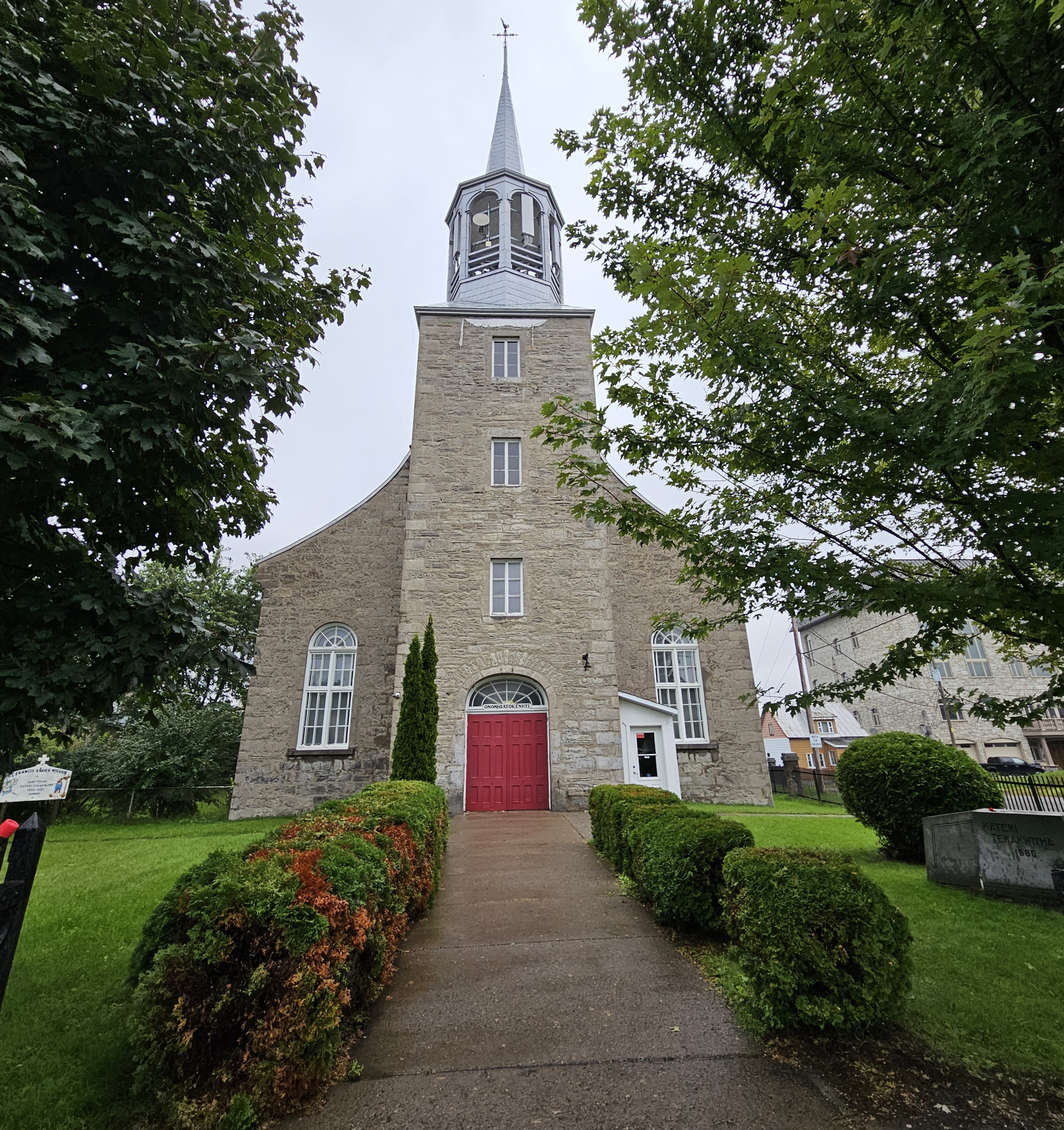
The St. Francis Xavier Mission Church moved with the Mohawk. It moved four times, I believe, before it settled permanently here and was built as a permanent structure in 1716. St. Kateri’s relics were moved here in 1973.
The Quebec Bridge Disaster killed 32 Mohawk ironworkers from Kahnawake. This left 25 widows and over fifty children fatherless. The compensation from the Canadian government was negligible. The Clan Mothers decided from then that so many members from one family could not work on such a dangerous job.
The Canadian government changed how the St. Lawrence River flowed, so it moved it away from Kahnawake and left the still St. Lawrence Seaway. The River was more profitable and was able to accommodate boats and fishermen as the Seaway was not. This is still an issue today.
The Three Sisters are known to the Haudenosaunee as the most important crops, sacred, and include corn, beans, and squash. They grow together in the same area and help each other thrive.
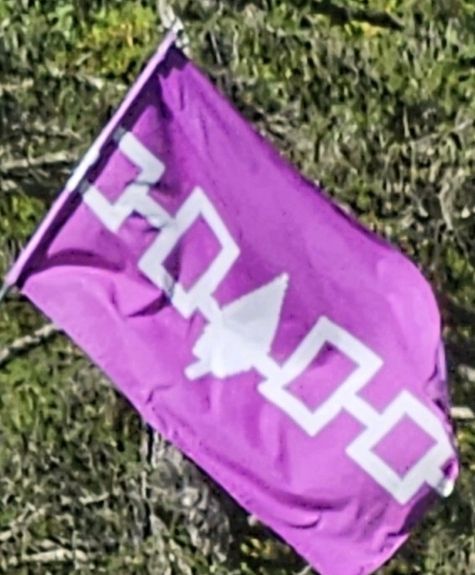
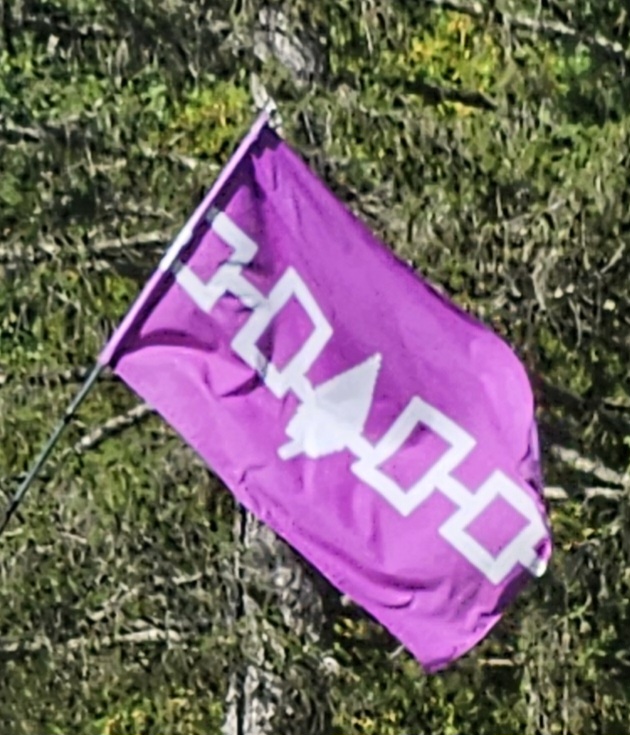
Haudenosaunee Confederacy Flag, which is a depiction of the Hiawatha wampum belt. (c)2023
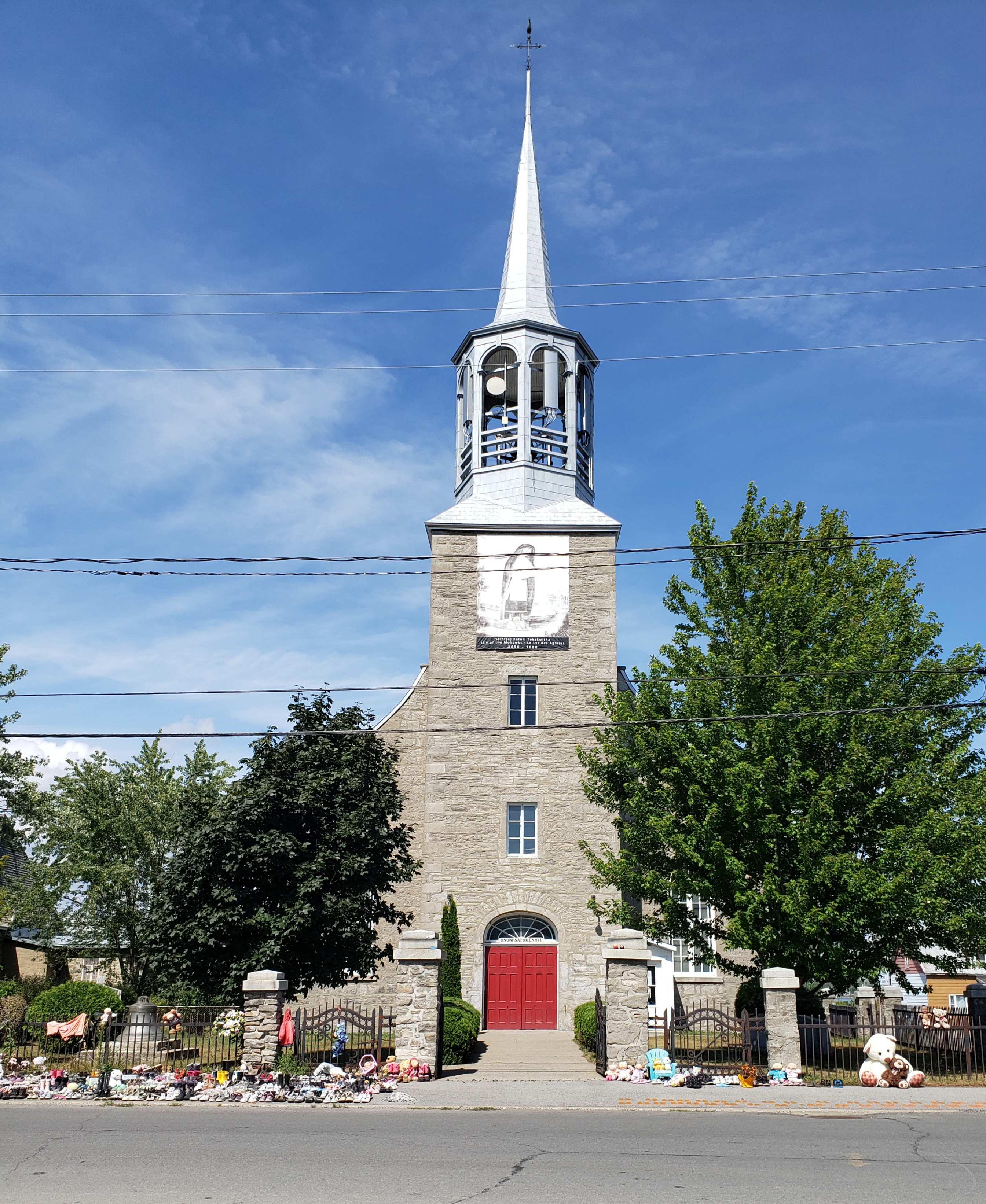
Front of the St. Francis Xavier Mission Church. Kahnawake, Quebec. (c)2023
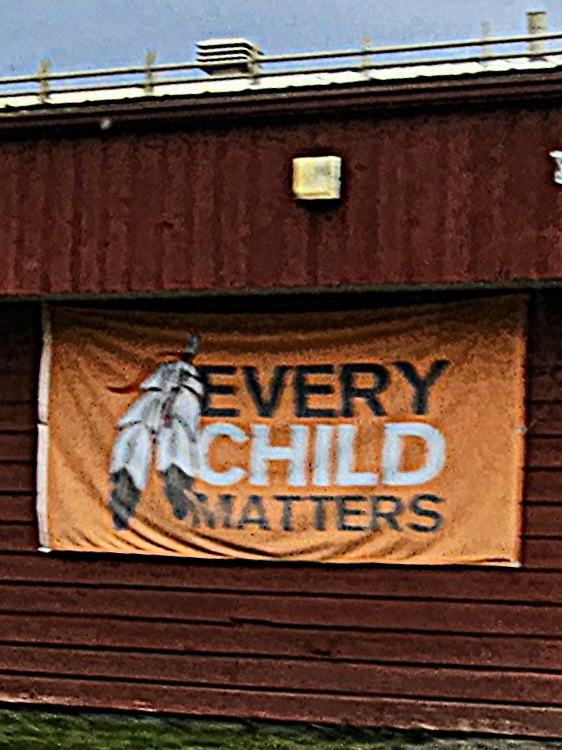
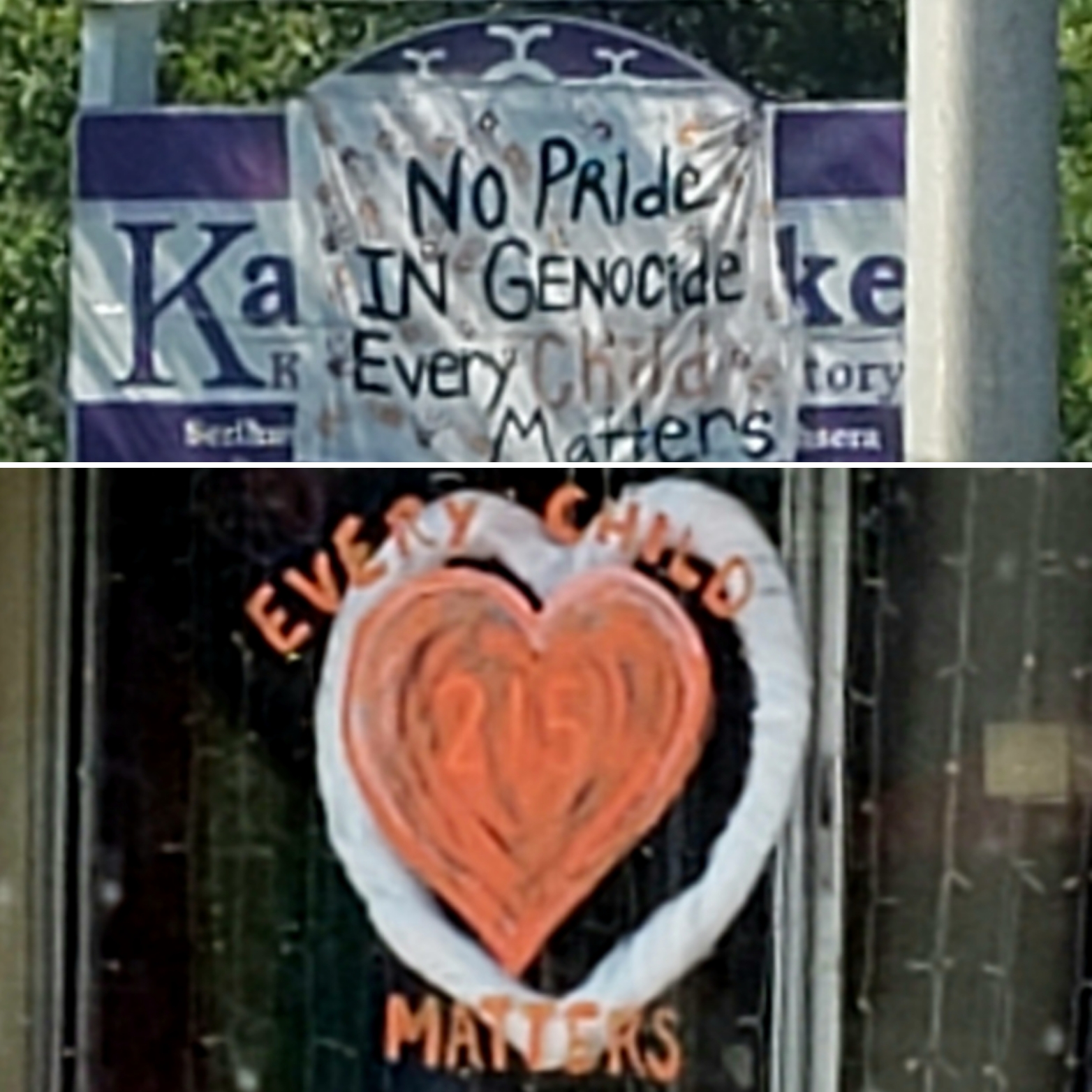
Signs and flags of Every Child Matters on orange are seen in many places. Despite Canada’s Truth and Reconciliation Committee, there is still much to be answered for. (c)2023
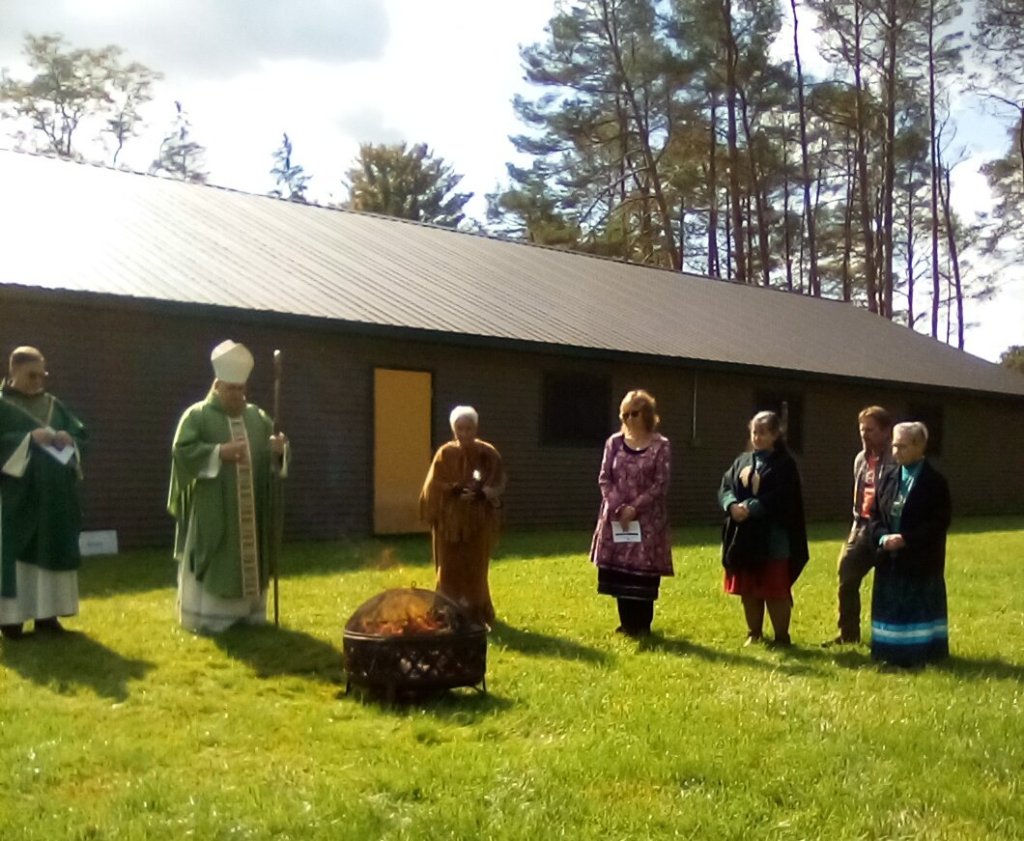
Two weeks ago, I was privileged to attend Mass at the St. Kateri Shrine in Fonda, New York. It was a dual celebration: today is ten years since the canonization of St. Kateri Tekakwitha, the first Native American saint. The celebration on October 9th was held on Indigenous Peoples Weekend, acknowledging the history and legacy of the Native peoples who were already living and thriving in the Americas at the time of Columbus’ landing in what is now the Bahamas.
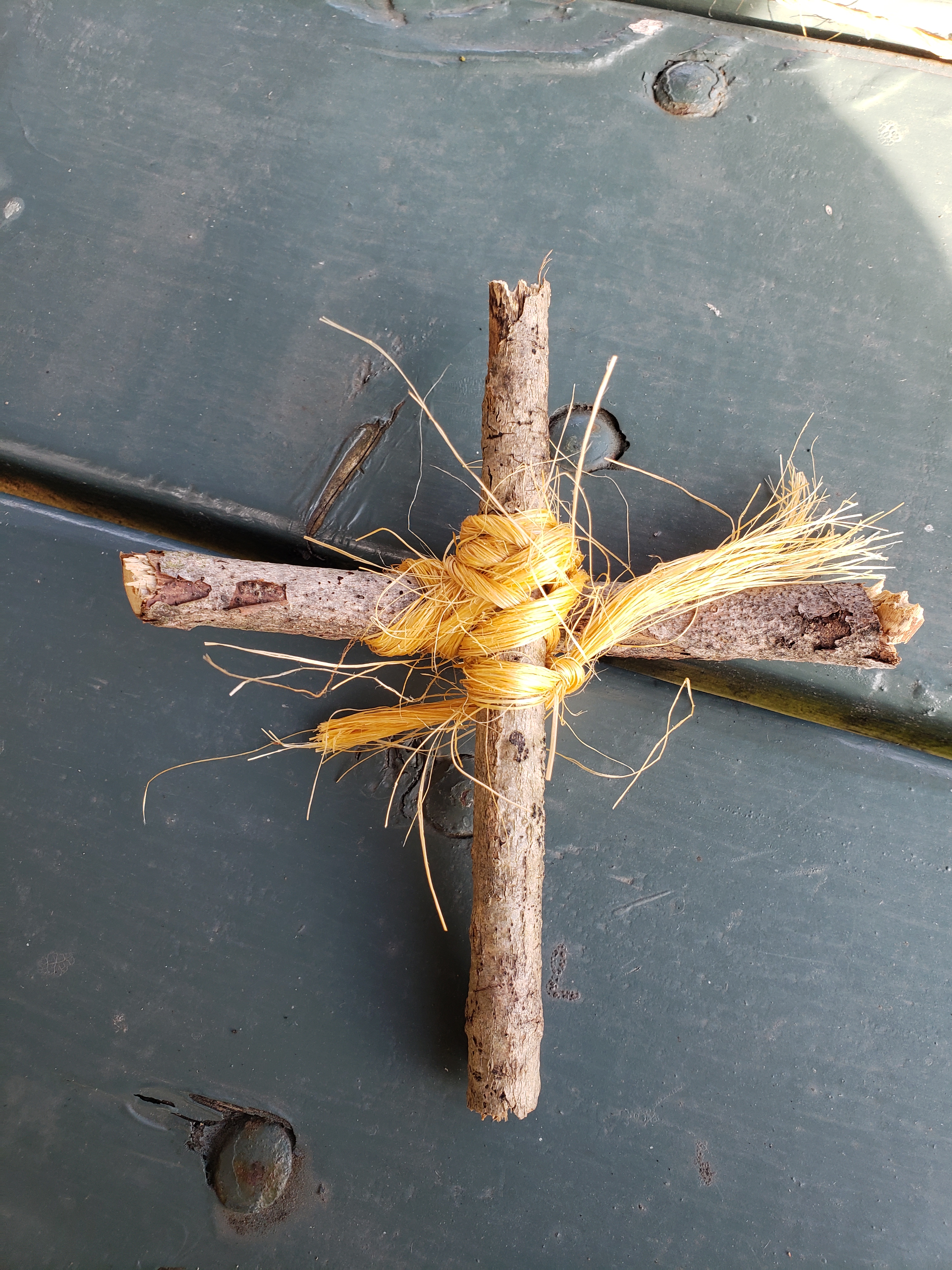
It was a chilly, fall day with bright blue skies and vibrant, colorful leaves, mostly still waving from their branches. Mass was held outdoors in the pavilion, a roof the only cover from the elements. As mass is celebrated, an occasional breeze flutters in, and really reminds you of Creation and the Creator. I had time before the mass and so I wandered the grounds a bit, spent some quiet time in the candle chapel, contemplated the words of Handsome Lake, an Iroquois Prophet whose words appear in the Peace Grove; I made a small cross from sticks and twine, reminiscent of St. Kateri’s own according to the sign on the table.
But mostly, I simply settled in with a subdued awe in the anticipation of the mass, the quiet celebration of Kateri’s canonization and difficult life that she never shunned from nor complained about. My eyes were drawn constantly to the bright colors of the Native dress, the feathers adorning and the large eagle feathers carried and used for the Mohawk rituals.
Between the Greeting and the Liturgy of the Word was the Sweetgrass Blessing, the burning of plants and herbs, assisted in its smoking by the motion of the eagle feather. We were invited to proceed up, as if for communion to receive the smoke. I felt as though I was part of something bigger, something ancient, and of course, I was, and I felt honored and humbled to be there. The four sacred plants used in Mohawk ceremonies are cedar, tobacco, sweetgrass, and sage.
Throughout the mass whenever hymns or songs were presented they were by the Mohawk Choir of Akwesasne. I couldn’t understand the words but the meaning was clear. Their voices carried on the wind and through the chapel and transported me far away and very near.
Sister Kateri Mitchell, who played a part in the 2006 miracle for St. Kateri Tekakwitha’s elevation to sainthood was there to share the prayer of the faithful and to talk about the miracles associated with the saint. I have met her before and was happy to see her and talk to her briefly on this day.
Following the mass, there was the annual burning of the prayer petitions. The Bishop said the prayer over them and that concluded this remarkable day.
I have found that attending mass in other cultures deepens my own faith and commitment to my own prayer and meditations. I have included some links throughout this post in the hopes that you will read more about St. Kateri Tekakwitha and her people and their journeys.
Takwaién:a karonhiá:ke tehsí:teronTakwaién:a karonhiá:ke tehsí:teron Aiesahsén:naien Aiesawenniióhstake Aiesawennaráhkhwake nonhwentsiá:ke Tsi ní:ioht né karoniá:ke tiesawennaráhkhwa Takwá:nont né kenwénte Niationnhéhkwen, nia'tewenhniserá:ke Sasa'nikónr:hen né ionkwarihwané:ren Tsi ní:ioht ní:'i tsonkwa'nikór:henhs Bothé:nen ionkhi'nikonhrasksá:tha nón:kwe. Nok tóhsa aionkwa'shén:ni né karihwané:ren Akwé:kon é:ren shá:wiht né io'taksens Asekenh í:se sáwenhk né io'taksens Asekenh í:se sáwenhk né kanakeráhsera' Ka'shatstenhsera, kaia'tanehrakwáhtshera Tsi nienhén:we e'thó naiá:wen
Many people question why we need to focus on the diversity of our nation and celebrate heritage days and months; why can’t we simply celebrate our sameness as Americans.Also questioned is why we look back on the way we treated the indigenous peoples who were already here at our country’s very beginnings.
People want to forget the bad parts of our history.
The racist parts. The genocide. The meanness and the bigotry.
We can’t let those memories fade. They are a part of our history, and as we saw earlier in the year in British Columbia, Canada, it is part of the collective history of this continent.
While we were on vacation in August, we couldn’t help but notice the signs, the memorials for the two hundred fifteen First Nations children found in unmarked graves in Kamloops, British Columbia.
The articles read and linked below, as well as others were difficult enough to accept and they are still being processed emotionally by Native and non-Native peoples alike. However, happening upon one such memorial in Kanawake, the Mohawk tribal lands in southern Quebec tugged at emotions I was unaware of. The sight of the small shoes, representing the dead and unremembered 215 children, some as young as 3 was a lot to take in. It left me with a profound sadness, but also an emptiness that even the sadness couldn’t fill.
I leave you with links to read and photos to meditate on.
The emtpy shoes representing the 215 Indigenous children found in Kamloops. My presumption is that the ashes are from a First Nations religious ceremony in memory of the children. (c)2021
The above shoes can be seen at the St. Francis Xavier Mission in Kanawake, Quebec. This is also the site of the St. Kateri Tekakwitha Shrine where her body was brought. She is the first Native American Catholic saint. (c)2021
Signs we saw at various places across Quebec and Ontario, Canada. (c)2021
When we travel to places with Native American distinction and I plan to buy something to remember my visit, I look to see if the object is Native made. There are so many knock-offs and items appropriated out there that I feel that if I’m going to buy Native crafts, symbols, and jewelry, it should be genuinely made by Native peoples and the income should benefit them.
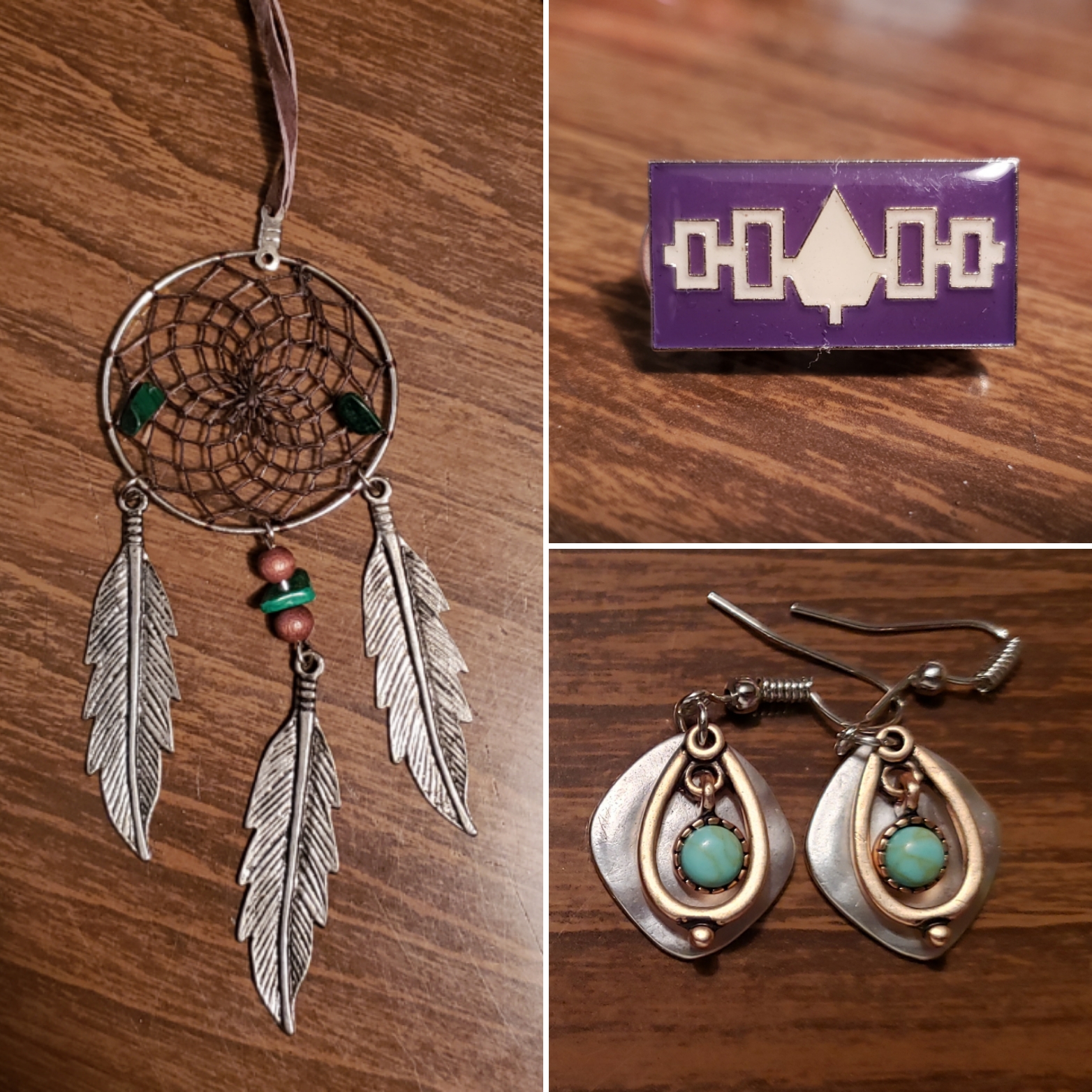
The picture below highlights my three most recent crafts:
(c)2021
The photo on the left is a dream catcher. I have had one in my bedroom for decades. I had received a small one but it has been mislaid. I chose this one while we were in Montreal. I didn’t realize it at first but it is a necklace. I have hung it over the lamp on my bedstand to keep away bad spirits and dreams.
The top right is a simple lapel pin that I purchased at the St. Kateri Shrine in Fonda, New York. It is the flag of the Iroquois Confederation. These flags can be seen flying in many places across New York State and lower Canada.
The bottom right picture is a pair of earrings I discovered in Niagara Falls, Ontario. I was drawn several times to the three colors – the silver, the bronze, and the turquoise. While this design could easily be Native American jewelry or ancient Egyptian, and I was so happy to find that they were indeed Native made. As my birthstone is turquoise, I am often drawn to the stone and color.
I’ve been struggling with focus and writing and motivation. This includes my plans for Nanowrimo. I’m hoping that I will pick up the pen and get moving on my Nano projects. It’s only the first week, so it is not an impossible task.
The above title is the title of the famous song, which was written by Queen Lili’uokalani. I did not know this. In fact, she composed many songs that are still sung today.
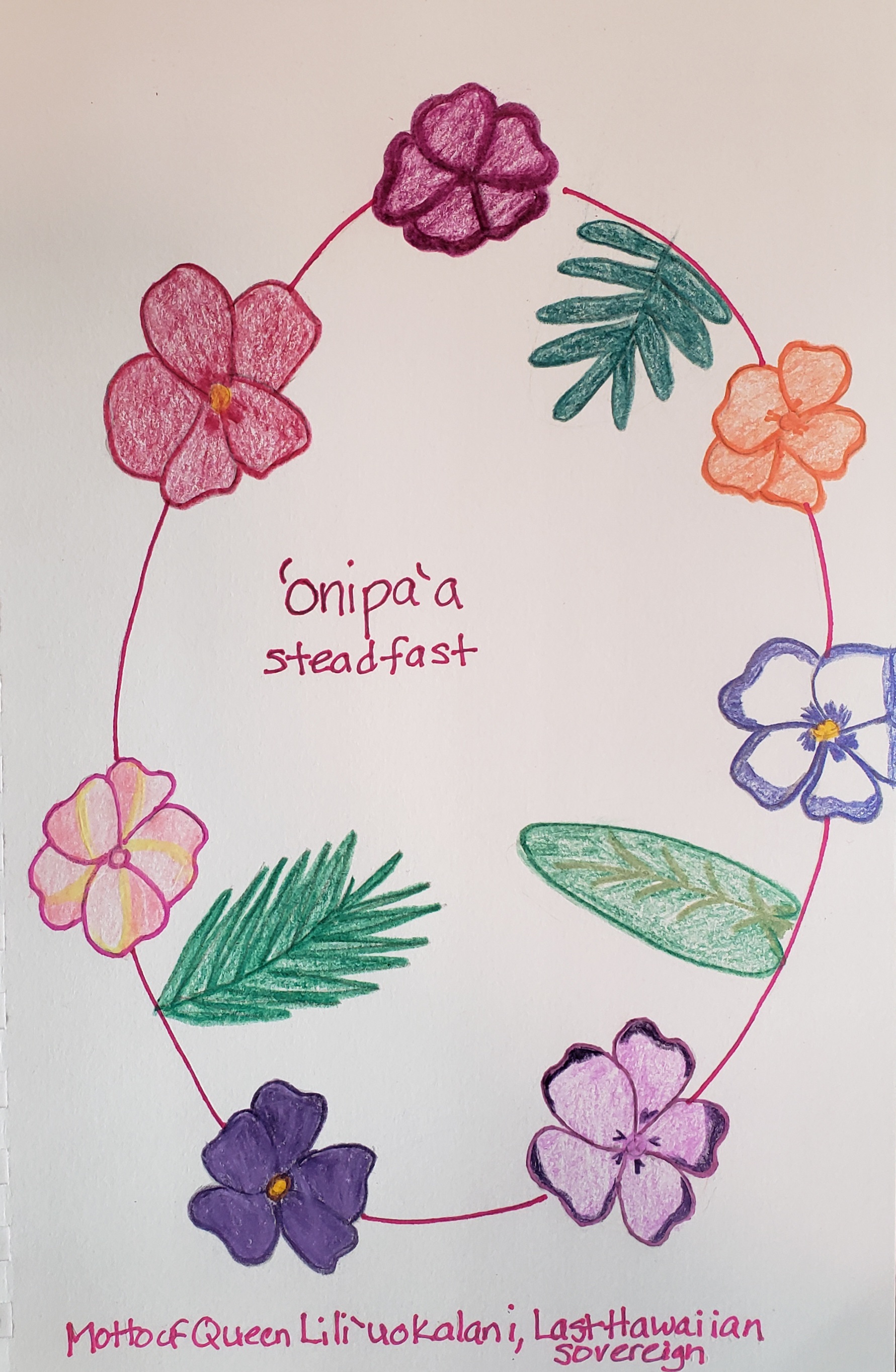
In addition to the history lesson, the book did also inspire me to draw and I share that piece below:
Art inspired by Queen Lili’uokalani and the book, Lost Kingdom by Julia Siler. (c)2021











 Griffins and Ginger Snaps