A Feast of Gratitude

Standard

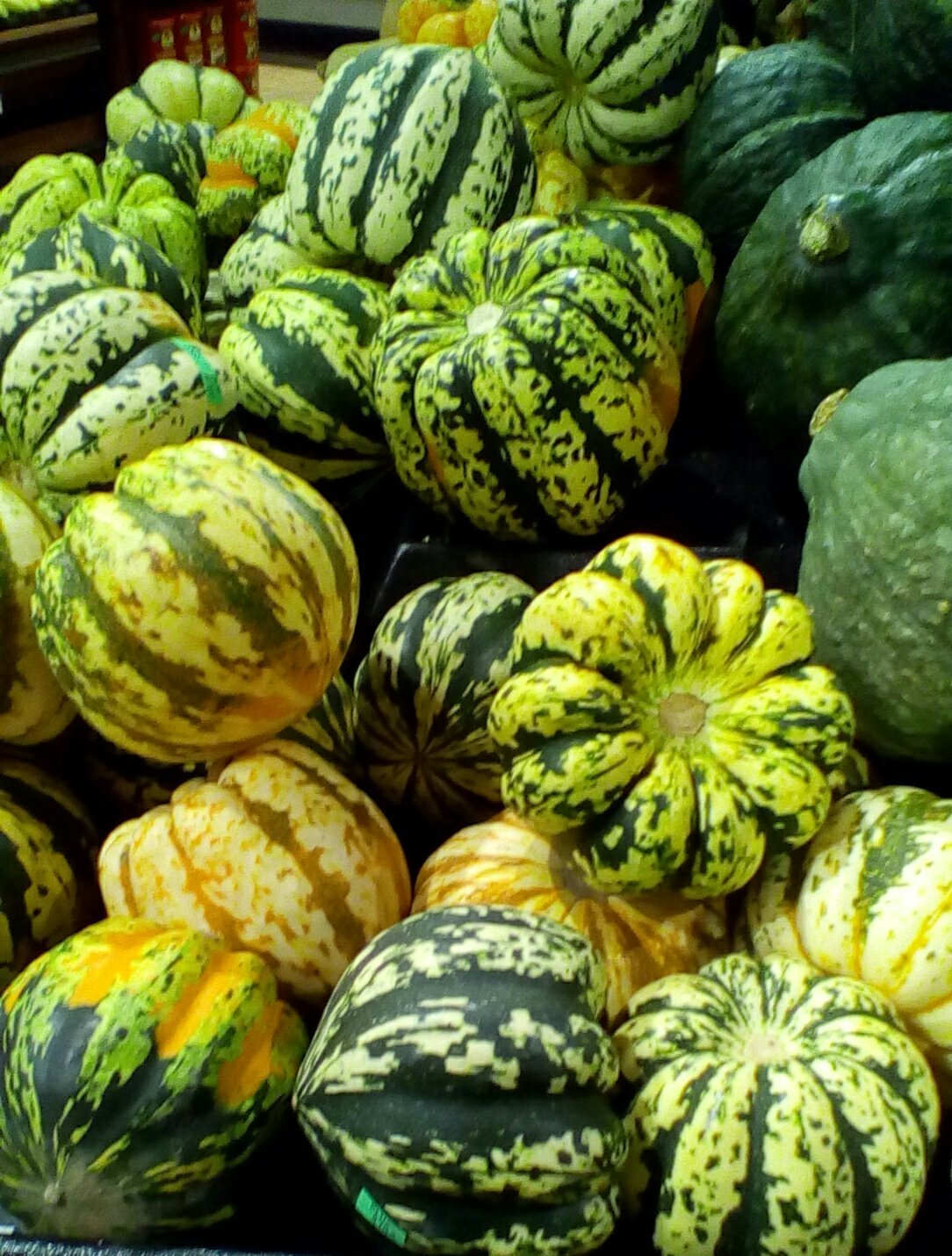
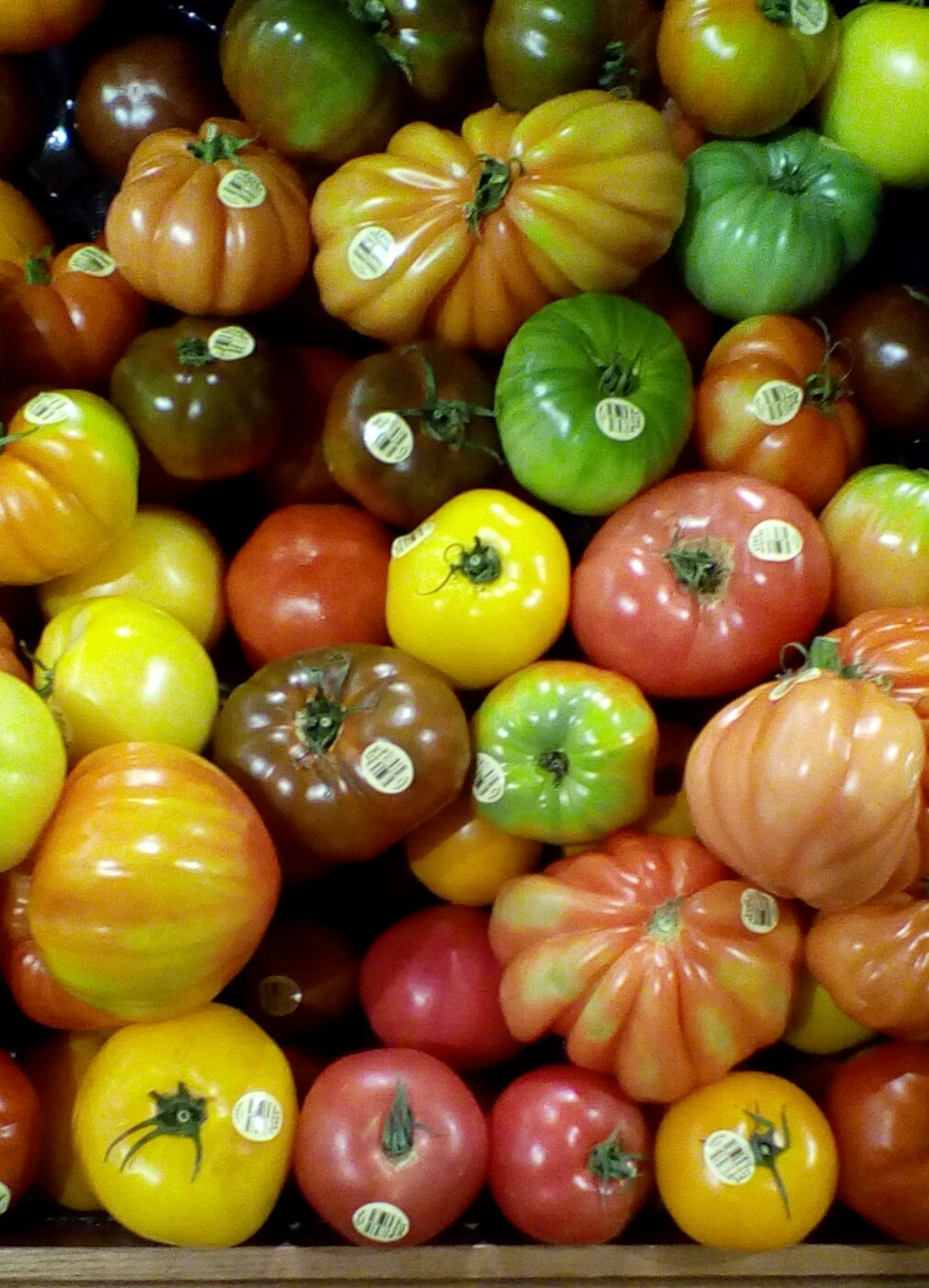
I don’t recall traveling to my grandparents for Thanksgiving. Or roasting a turkey until I was married and already moved out. We must have, I suppose. I do, however recall that holiday as more of an adult affair bringing home boyfriends, eventually a husband and children, although we must have celebrated it when I was a child. It is quintessentially an American holliday, and my parents, while raising us Jewish were also raising us American. Not everyone celebrated Christmas, but everyone celebrated Thanksgiving. Putting aside the more recent and current political awareness and justifiable Native American concerns and years of invisibility, it was and continues to be the great unifier. As immigrants continue to come with their many and varied holidays and celebrations, the melting pot adds a turkey and sweet potato casserole to each of their tables, and we are all grateful. Everyone can, and should give thanks. Whether it’s to a Creator or to your family for being there or for your grandparents and great-grandparents for making this life of ours possible in whatever way they did, or just plain old ordinary gratitude for what we have and what we will continue to receive in this life. It really is so much more than Pilgrims and Indians, Mayflowers and planting corn and yams and more than turkeys, in the field or on the platter.

I also remember other family feasts – weekends at my grandmother’s for deli or Chinese food on paper plates, of course. Passover Seders, asking the Four Questions and mushing the gefilte fish with my fork; block parties, courtyard picnics and cook-outs. I imagine it’s like this for everyone regardless of cultural background, but food is everywhere in my childhood. Pizza on Springfield Blvd, and Cantonese on Horace Harding. Filipino at my babysitter’s, steak at Ed’s Warehouse in Toronto – a visit north wasn’t complete without dinner at Old Ed’s. Scuffling through fallen brown and orange leaves, walking to Dr. Herman’s office, then driving the two or three blocks to the drug store to buy cigarettes for my parents and possibly a pack of Chiclets for me and my brother; my sister was too young for gum.

Before my parents passed away, just over ten and eleven years ago, we would always visit them for Thanksgiving. We were lucky in our interfaith family that we decided early on not to make those tough choices of who’s house to visit for which holiday. Christmas was always my mother-in-law’s, so Thanksgiving was my mother’s. No muss, no fuss. Nine out of ten would recommend. It might have helped that my mother-in-law is from Northern Ireland and isn’t that big on commemorating the Pilgrims arrival to the New World. My in-laws would come to my parents’ house for the holiday also. It was almost as extended as when I was a child, at my cousins’ cousins’ house or my aunt by marriage’s father’s apartment, all of us squeezing in to seats all over the living room and kitchen, coming and going and never knowing who was related to whom or how. It was really a beautiful day, almost recreating that for my parents and then my children while we could. For them, with the  grandchildren made it all the better.

When we bought our own house, we opted to stay home for Christmas, and with my parents gone, Thanksgiving is now at my mother-in-law’s. The kids miss a day of school, but scholl will always be there; family is more important and there are many lessons to be learned sitting around the table, getting things ready in the kitchen, and watching the Macy’s Thanksgiving Day Parade, only an hour by train if we actually wanted to be there, and got up early enough in the morning for that to happen.

One missed exit, and we were driving down the Major Deegan, listening to our GPS navigator recalculate, and with each passing overpass marked with a green street sign, I was flooded; not with specific memories, but with emotions and feelings and memories of feelings of traveling these roads between my Grandmother Celia’s and my uncle’s house. Or to my aunt’s brother, John’s apartment. The back and forth of the Cross Bronx Parkway, and remembering a similar back and forth on the Cross Island to see Grandma Sadie, by way of the Douglaston Pkwy for awhile, the Little Neck and then the Cross Island when we moved to Long Island. The streets, a litany of a life long ago, hidden deep until pulled out by a traffic light, or a tall building or streets and avenues one after the other: Jerome, Tremont, Westchester, Castle Hill.  My grandmother in the Bronx lived on Castle Hill. My Grandpa used to “walk” me in my stroller, me wearing a bunny ears hat, carrying a yellow Kodak film box, stopping at the basketball hoops and then turning around to go back. We passed the sign for the hospital I was born in (Bronx Lebanon).  As I mentioned it, my kids were less than impressed. We passed the Bronx Zoo. It was just the sign, but my son still looked for giraffes. I still shiver when I think about the cable car going over the lions’ paddock.

As night fell, the aura of twilight and taillights, streetlights and traffic lights released the emotions of a long forgotten life, a world so apart and so different from the one my kids are growing up in. I struggle to give them that wonderful life, full of wonder and friends who were also family.
I’m thankful for so many things, but while today we are rushing to claim the Starbucks wifi (Grandma doesn’t have wifi or any internet), I will save tomorrow to list my gratitude amidst the rushing of Christmas shopping and mall traffic and list-making for the rest of the year.

Tomorrow is the day I want to remember my gratitude and b e grateful because that is usually the day we forget about it until next year.

image

image

Have a Wonderful and Happy and Blessed Thanksgiving.

Je Suis Paris

Standard
image

Artist: Jean Jullien

I haven’t had any problem expressing my outrage and my pain with the terrorist attacks in Paris, France earlier this week. I put the news on for the first time in two months. I needed to see what was happening thousands of miles away but in a place I’ve thought often about. My thoughts went to my friends who live there, to my son’s school visits to Paris in recent years. I have been struggling with the outward expression of solidarity however. As the French flags went up on Facebook profiles, I knew I didn’t want one, but I didn’t really know why. My friend put it into words when he removed his transparency from his profile pic. Here we are supporting France (as we should be) when we ignored the same type of attack in Beirut this week, ignoring Kenya’s terrorist attack at the beginning of the month, and the Syrian Refugee Crisis.

Many people cite racism. The French are white Europeans and not Middle Eastern Arabs, but that’s not my thinking or the thinking of my friends, so why do the majority of us focus on their pain?

For many Americans, myself included, France is our friend. Of course, we’re upset at the tragedy befalling others, but we know France. France has been our friend since the literal beginning. They helped us become who we are, not like a parent, but more like a favorite and favored uncle. That doesn’t mean that Great Uncle Al, twice removed and divorced from the family isn’t thought about and cared about and mourned when he dies, but he’s not Dad’s brother. Dad’s brother has picked me up and patched up my skinned knees. He’s taken care of me, and he’s always there when I call. It’s not the homoethnicity as much as the familial relationship that we have with the French people.

In addition to that, I mentioned that my son has been to Paris. Twice. I imagine how I would have felt if he were there at this time and it tears me up. I have put myself in the places of the Syrian refugees and Arab victims and I’ve cried and felt pain and received courage from them but my family

Since I wasn’t able to attend Sunday Mass this week (I hurt my leg and couldn’t manage the walking), I still read the readings, and one of them spoke to me about this tragedy and unrest in the world.

In my life, the readings and the Scripture and my spiritual headspace includes everyone; it is a part of my everyday life. I live it. It is a Living Word.

From today’s Readings in the Entrance Antiphon:

The Lord said: I think thoughts of peace and not of affliction. You will call upon me, and I will answer you, and I will lead back your captives from every place.

– Jer 29:11, 12, 14

This stuck with me throughout the morning, and regardless of your religious affiliation or no affiliation we can still think on and want and hope for peace and for affliction to be gone, in my life, in my family, in my world.

G-d promises to listen and answer and lead back those of us who are ‘captive’, missing, stuck in situations not of their making; to help them escape, like Moses leading the Jewish people out of Egypt and out of slavery.

Non-religious people have their own beliefs and hopes for peace and ending conflict and affliction and bringing those ‘captives’ back home.

The current book that I’m reading is Revelations of Divine Love by Julian of Norwich. In the 16th Revelation she relays from her vision:

‘But take it, believe it and keep yourself within it, comfort yourself with it and trust yourself to it; and you shall not be overcome.’

You shall not be overcome.

We have the strength to get through these tough times and any other tough times that are yet to come. G-d is speaking through her, and her visions – she is not alone in her world, and similarly we are not alone. We are surrounded by people who are on our side and want to and will help us through the hard times and celebrate the good ones.

As I said about prayer earlier today, prayer builds up, and doesn’t tear down. That doesn’t mean that prayer is the only way. Embrace all the ways people want to help, through spirituality or through humanity, and we will be better for it.

Fandom and Smart Tech

Standard

In Vintage Supernatural, I mentioned how for me, and many others who are fans or in fandom, have a broader relationship with the source material. In other words, when the television show ends for the week, it doesn’t always end for the viewer.

In the case of Supernatural, I am often also on Tumblr, reading the liveblogging and commentary from two of my friends there. It gives the feel of a viewing party, hearing (or reading) others’ exclamations of surprise, their mocking of something unbelievable. They/we applaud the writer, and gush, and we have other fans to gush with. Since I’m the only one in my family who watches Supernatural, this gives me a less solitary experience, and makes it more enjoyable to me.

When I watch The Walking Dead, I watch with my family, so we have that camaraderie and interaction throughout and after the show. I also go online and either read, write or enjoy the new gifsets that seemingly appear as if by magic minutes after the scenes air.

In Vintage Supernatural, I talked about googling the Lizzie Borden House, and discovering its existence.

A similar thing happened in last week’s Doctor Who episode, The Zygon Inversion, they mentioned a town where the action was taking place: Truth of Consequences, New Mexico. It was named after the game show according to Clara, the Doctor’s Companion.

I snorted. Can’t be true. I paused a mere second before googling it, and guess what? It’s real. It exists. Truth or Consequences, New Mexico. I learned something new.

I’ve found that I’ve been searching for terms and actors’ names and previous works while watching the show in real time. I don’t have to sit and wonder who is that guy fore the entirety of the hour. I wait for the commercial, pull out my Kindle, and hit the Google page. I avoid spoilers, but I get my curiosity satisfied without distracting me from the current show.

We simultaneously complain and applaud new technology, but using smart tech for series watching can really enhance the experience and introduce another level of fandom interaction that you haven’t realized you were missing.

I love it!

It’s the best of both worlds.

For anyone else who’s interested in getting another perspective of their favorite show, here are a few of my resources:

Google
Wikipedia
imdb (Internet Movie Database)
Tumblr (search for your television show)

You can also go to the website and specific page for the series you are interested in.

image

Vintage Supernatural

Standard

One week ago, Supernatural (Episode 11.5) took the brothers to the site of the grisly 19th century murders of Andrew and Abby Borden, father and step-mother of Lizzie Borden. There is much controversy as to who murdered them in their home, the popular nursery rhyme sing-songing one theory:

Lizzie Borden took an axe
and gave her mother forty whacks,
when the job was finally done
gave her father forty one

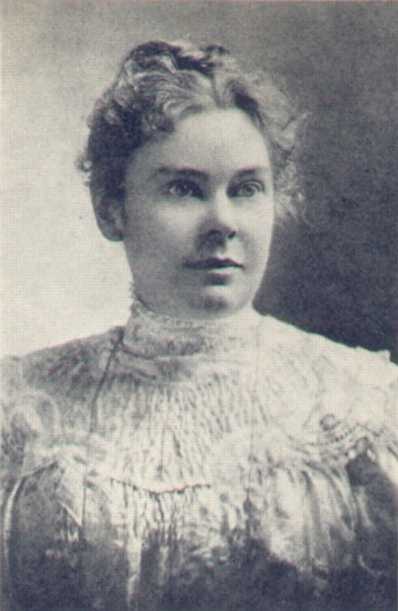
Amazing what lurks in the childhood memories and recesses of our minds. It comes unbeckoned as if I were still jumping rope in the grassy courtyard where I grew up far, far away from the murder of her parents. Lizzie was put on trial and acquitted. She died of pneumonia in 1927. Her sister died nine days later. Despite having not seen each other in many years, they are buried side by side. There is a monument that marks Lizzie’s final resting place.

In her will, Lizzie left money to pay for the perpetual care of her father’s cemetery plot.

image

Lizzie Borden

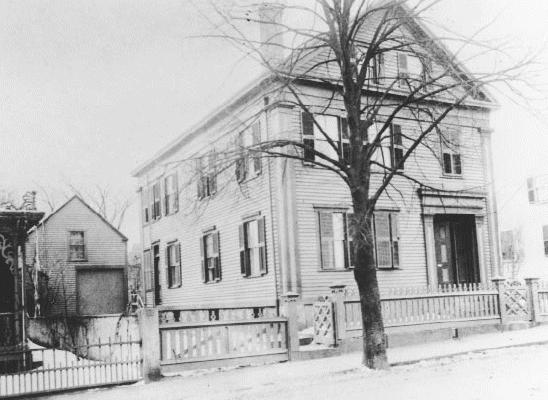
In viewing the previews for this episode, titled Thin Lizzie, they mention the family home in Fall River, Massachusetts, not all that far from where I live. I thought the Bed & Breakfast mentioned was a joke – was there really a place? One Google search and there it was. And before anyone asks, no, I have no desire or intention of visiting, no matter how close it is.

image

Borden Family Home that is now a Bed & Breakfast & Tourist Attraction

Some things should be left, and this is one of them.

On the morning after the episode aired, the Washington Post had an article, Would you buy a murder house? I personally don’t know, and I hope I don’t find out. I certainly do believe that houses can have spiritual remnants of previous owners, not to mention other places where spirits dwell. I’ve had my own encounters, the most visceral being in Gettysburg, Pennsylvania, both on the battlefield and in the Jennie Wade House, one of the places that is always on my to see list. I had gone as a child, and again while on vacation with my husband, and then went again while on vacation with my three children. There is something compelling about Jennie’s house and her story that calls to me. I’ve been searching for the last week to find the photos that I’ve taken at the house, both in the 70s with my family and again in 2008, I believe with my children. I have a memory in a darkened stone masoned cellar that you had to climb down into from the outside. I’m not sure why that flashed through my head as I’m writing this.

image

The house where Jennie Wade was killed

The Jennie Wade House is located on a major road in Gettysburg; one that is extremely busy with traffic. It is in a tourist area, and directly across from a Rita’s Italian Ices Shop. My kids sat on the benches eating ices, and I watched the house, seemingly waiting for something to happen. Her death created the name of the landmark, although it is not actually Jennie’s house; it is her sister’s. Her sister had just had a baby, and Jennie and their mother came to help her. Jennie was baking bread, kneading the dough in the kitchen that adjoined the street. A stray bullet came through the front door, lodging in Jennie’s back, severing her spine and killing her.

She is the only civilian casualty in the city during the Battle of Gettysburg.

image

Jennie Wade

Ever since I was a little girl, I have always felt a presence in this house. Despite the obvious, poor special effects in the kitchen that give the soldier mannequin his face as he narrates the story of that fateful day, there is still something powerful in the “talking walls”. His projected face scared me beyond belief as an adolescent, and I still had that creepy vibe when I went there as an adult. I know much of the sounds and creaks were theatrics, but you couldn’t help but feel something in this house and that some of those “theatrics” weren’t all faked.

In the preview and then last week’s episode, Supernatural showed some artifacts from the house. I don’t know if they were really artifacts of the Borden murders or props made to look like the actual items, but the photo of Lizzie reminded me both of Jennie Wade and Laura Ingalls; possibly because of the camera techniques of the 19th century, the black and white, head and shoulders, the pose, the lace collars and pinned hair. It led me down a rabbit hole of googling and reading various accounts from both times of both of their lives, Lizzie and Jennie. They couldn’t have been more different, and I wondered at what point childhood me decided to devote so much of my time to Jennie rather than the nursery rhyme. Maybe I couldn’t wrap my head around the idea of killing my parents. For a variety of reasons, I would never, but still why was I compelled to ignore her? I almost skipped the episode because the subject matter bothered me. I still wonder why I was never interested in Lizzie’s story – did I think she was guilty? I don’t know. I was much more compelled to the story of poor Jennie, baking bread for the soldiers. Her fiance was killed hours before she was. Neither of them knew the fate of the other.

I do love a good mystery, but I think I might need to not only have compelling characters, but also ones that are easier to feel compassion for, to put myself in their shoes, and I suppose, no, as I’ve said, I know that I could much more easily do that with Jennie Wade.

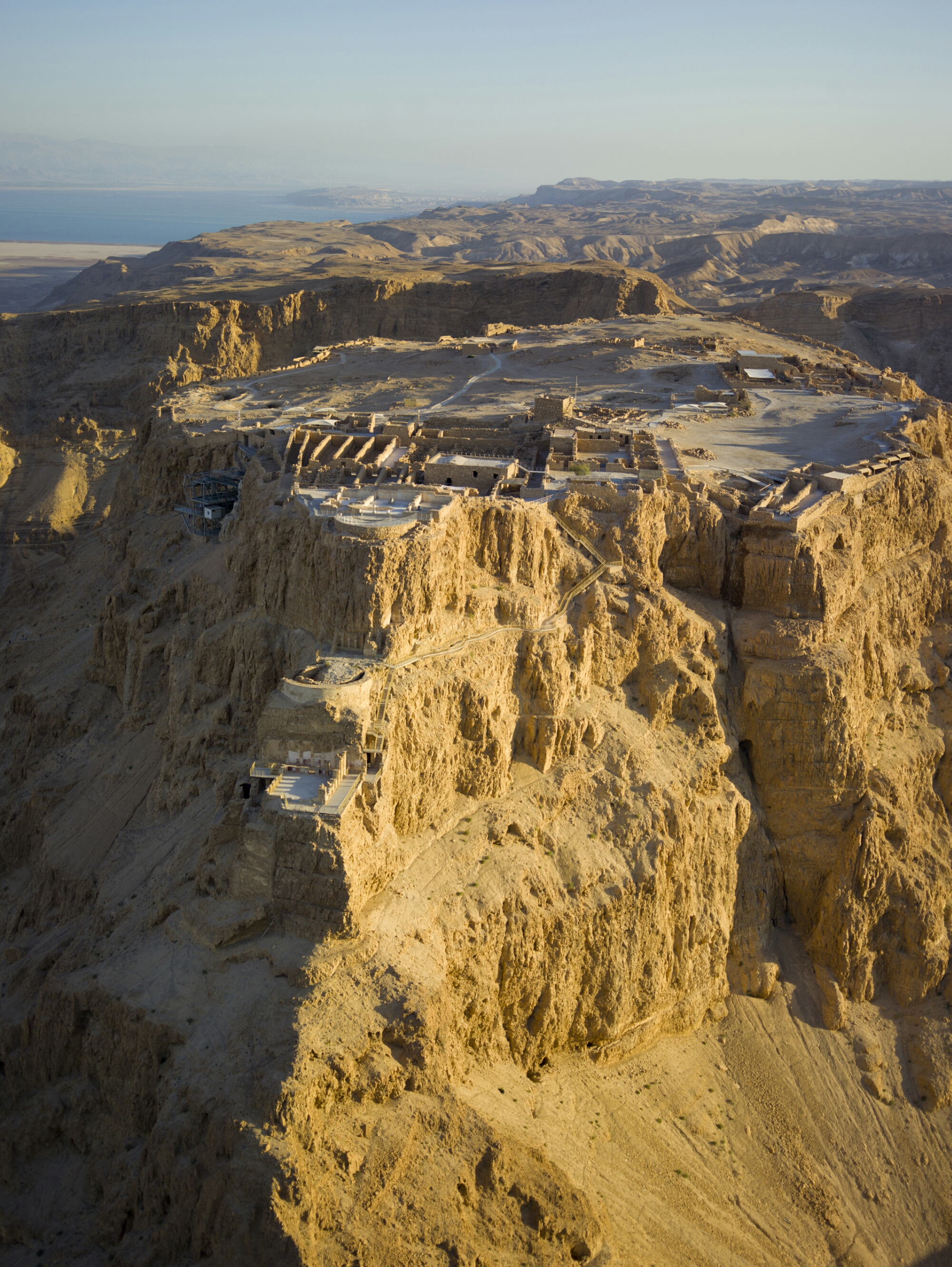
Masada

Standard
image

Photo credit: Andrew Shiva

When I was a young person, I was lucky enough to go to a religious school that focused on the wonderful, rich Bible stories and Jewish history from the beginning of time. It was a special time, and it was more sacred for me than attending Saturday services. We learned the songs and the traditions of  of all of our holidays, some better well known than others. Between that school and my parents, I learned everything I would teach my own children: how to light a menorah, how to stop and relish in the quiet of Yom KIppur, what counted as bread in this American Jewish family. I adored my teacher, and looked forward to my after-school and weekend classes with joy. I can still picture the classroom where we learned Hebrew in my final year, and the basement rec room where we had our celebrations with songs and food. Prior to that year of Hebrew, we learned Yiddish. I still have the first book that we all had memorized. It was the Jewish version of See Spot Run:

Der kinder.
Der kinder geyn.
Der kinder geyn in shul.

The children.
The children learn.
The children learn in school.

In 1981 there was a miniseries called Masada about the mountain siege of the Israeli Zealots by the Romans. They were led by Eleazar Ben Yair, and there was no surrender. When the Romans were finally able to enter the fortress, they found what was left of their provisions, their mass suicide the statement that they would not return to slavery. There were survivors; two women and five children left to tell the story. I collected newspaper articles and previews of the 1981 series; in fact, I probably still have those clippings in my basement somewhere. Of course, there were some changes for dramatic effect, but it was our story on primetime television.

On my recent visit to my Florida family, my cousin’s son was looking at my aunt’s pictures from their visit to Masada. He recalled his own visit. In our talking, I was reminded of the Peter Strauss miniseries, and he recommended a book that he thought I would like that was about the Israeli fortress.

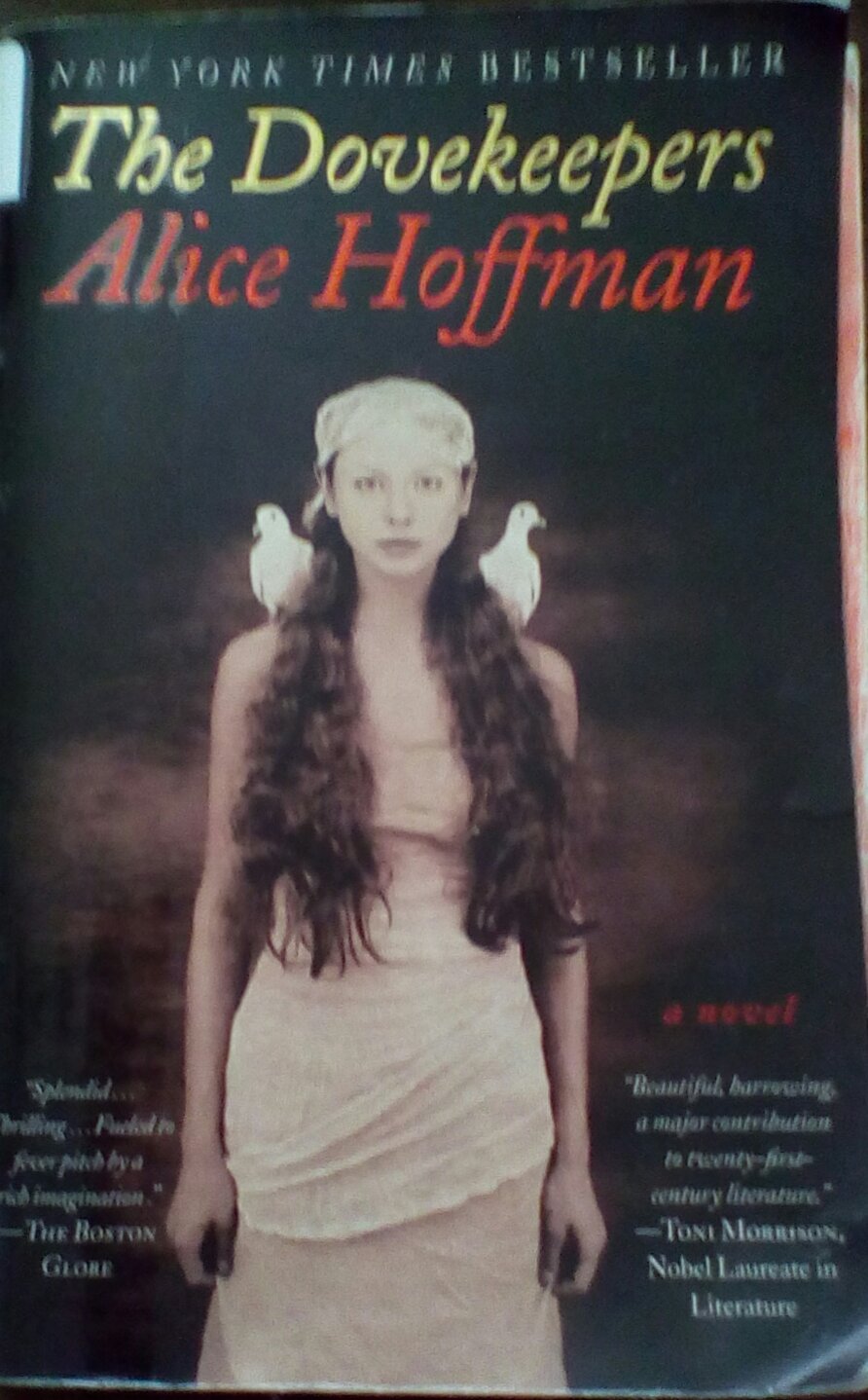
The Dovekeepers by Alice Hoffman.

image

I filed it away in the back of my brain, and came home, forgetting once again about something that had commanded my young life for what seemed like a very long time. Fast forward to one of my library visits. I sat and wrote for about an hour and a half, not including being bothered, and in turn, bothering a random ladybug, and before I knew it, it was time to go.

They’ve been redoing the layout of the library and in order to continue their renovations, they’ve moved shelves and spinny racks. I had to dodge a table, a spinny rack, and found myself in front of a rack of recommended reading. Exactly at eye level was the book my cousin, something removed, recommended. The Dovekeepers. I picked it up, turned it over, and read the synopsis. I didn’t have my library card, so I thought that I would wait and get it next time. As I went to return it to its shelf, there, staring me in the face, directly behind the book in my hand, was the same copy of The Dovekeepers.

I guess I was supposed to take this book home that day!

It was a wonderful journey through the lives of four women, how they each arrived at Masada, and how they found each other, their lives crisscrossing and mirroring the others. There is tradition and magic, and family and love and forgiveness. Knowing the outcome made their stories more poignant. These were strong, powerful women that spoke to me and would speak to anyone interested in history, women and life.

It reminded me of life growing up, the simplicity that we remember wrapped in the real life that was. It’s good to remember the past, and put it into perspective. Now, I have a longer list, but in those moments of high school, Masada was the one place I wanted to see; to stand where choices were made and where so much mattered.