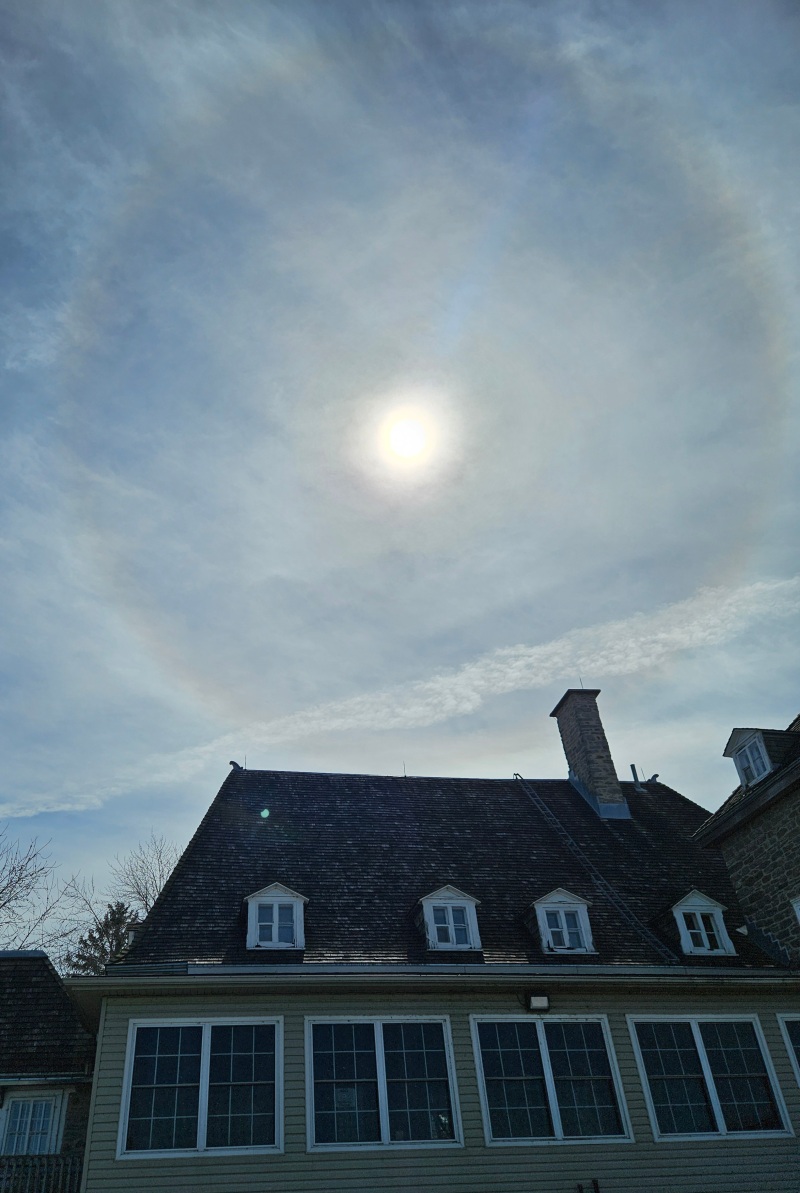
A Total Totality

Standard

We spent eclipse weekend in Montreal, Canada. Once we were shut out of Syracuse (too expensive) and Plattsburgh (no room at the – or any – inn), it wasn’t a difficult decision to go a short distance further. I love being that close to the border, and luckily our passports are current.

Because of the research I planned to do while we were up there, I thought we’d pop our chairs down at the park near the Ile de Tekakwitha on the Mohawk territory/Kahnawake. We scoped it out the night before and the parking looked extremely limited, but we were still hopeful. We would decide when the time came. As darkness settled in, we drove out to the main road for dinner – Robbie’s Smokehouse!

On Monday, we woke up bright and early; adventure awaited!

Continue reading
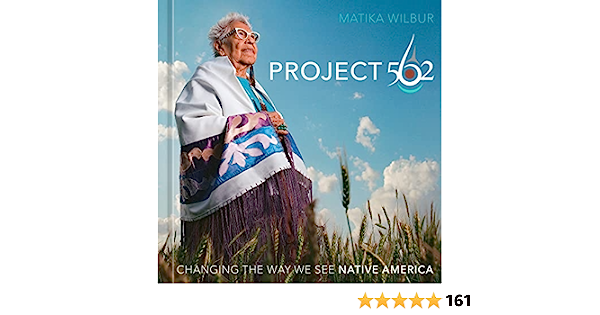
Book Rec (And a Bit More): Project 562: Changing the Way We See Native America by Matika Wilbur

Standard

I’ve been really immersed in Native American spirituality and history. I have always been intrigued and felt kinship with Native American/First Nation people, being drawn to their stories, their history, and their lives since I was a child. It’s been something that has ebbed and flowed throughout my life, even with the insensitive and appropriated costumes of my childhood. I know better now, and I hope that in my past teaching in early childhood, I’ve lessened some of those stereotypical ideas as those children grow up and remember their experiences of the culture as best offered by an outsider and non-Native person.

I’ve recently mentioned attending a weekend retreat with Terry and Darlene Wildman and learning about the First Nations Version of the New Testament. It was enlightening and eye-opening, and I enjoyed the ceremonies we were invited to participate in. I’ve been a visitor and participant at the nearby St. Kateri Shrine when they’ve had those ceremonies open to the public.

I spent all of June reading the Daily Readings from the FNV New Testament; it really highlighted the beauty of Native American storytelling, and I felt that I was hearing some of these Scriptures for the first time and in a completely new way.

Which brings me to the most recent book that I’ve been reading: Project 562: Changing the Way We See Native America by Matika Wilbur. I must say that I started the book in a naive headspace. I was looking forward to her interviews with modern Native people across Turtle Island (North America), hearing about how they keep their culture and religious rituals alive, and while I’m aware (more than the average person) of the history of the US’s forced removal, forced assimilation, and truly what can only be called genocide of the Native Americans, I was still surprised by so many things in this book that took  me by surprise.

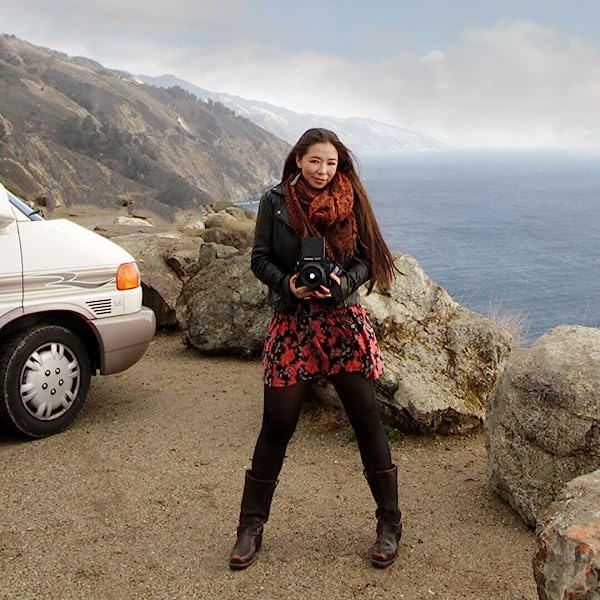
Author/Photographer, Matika Wilbur.
Continue reading

The Other Side of Thanksgiving

Standard

Thanksgiving today is fraught with its past and the reckoning that is still to come in many ways.

For those of us who grew up in non-Christian households, Thanksgiving was and is the great equalizer. We can all celebrate it without the religious baggage and without not fitting in. We gather as a family, we express our gratitude and our love, and it’s the one day of the year that nearly everyone has the day off, at least until a couple of years ago when retailers began to open on Thanksgiving Day.

There are of course exceptions, but it is a day for everyone.

Of course, that is also not the entire story. From the Native American prospective, settlers coming to the new world caused trauma beyond belief. We are only beginning to open up and discuss and educate ourselves to be inclusive, but also to move forward as a country.

While I believe the original Thanksgiving story despite knowing its clear embelllishments, I think it’s important to distinguish between the Columbus and future expeditions’ theft of land and genocide and that early settlers and Native Indians, as they were known at the time, did work together, and to celebrate the help that the Native Peoples gave to the Pilgrims should be recognized. The Pilgrims, and other Native-friendly settlers wouldn’t have survived the new world without the help of the indigenous people already living here.

Here are two ways to begin educating ourselves:

Native American Tribal Map

Thirty Everyday Phrases that Perpetuate the Oppression of Indigenous Peoples