Following Alexander Hamilton’s Footsteps in Albany, NY

Standard

The Hamilton phenomenon is more than breaking records on Broadway and changing the face of the Great White Way, but it’s also reminding history buffs like me that we have a great and storied past to explore, often in our own backyards. As a child and an adult, I’ve been to Gettysburg, Williamsburg, St. Augustine, but I’ve forgotten that we have history from the same time right here in New York. In fact, much of our national Revolutionary War history took place in New York, from the battles to the newly formed government. This is especially true here in the capital region, near where I live.

Hamilton, the musical tells the story of Alexander Hamilton, the country’s first treasury secretary, the first political sex scandal, a man murdered by the Vice President of the United States.

image

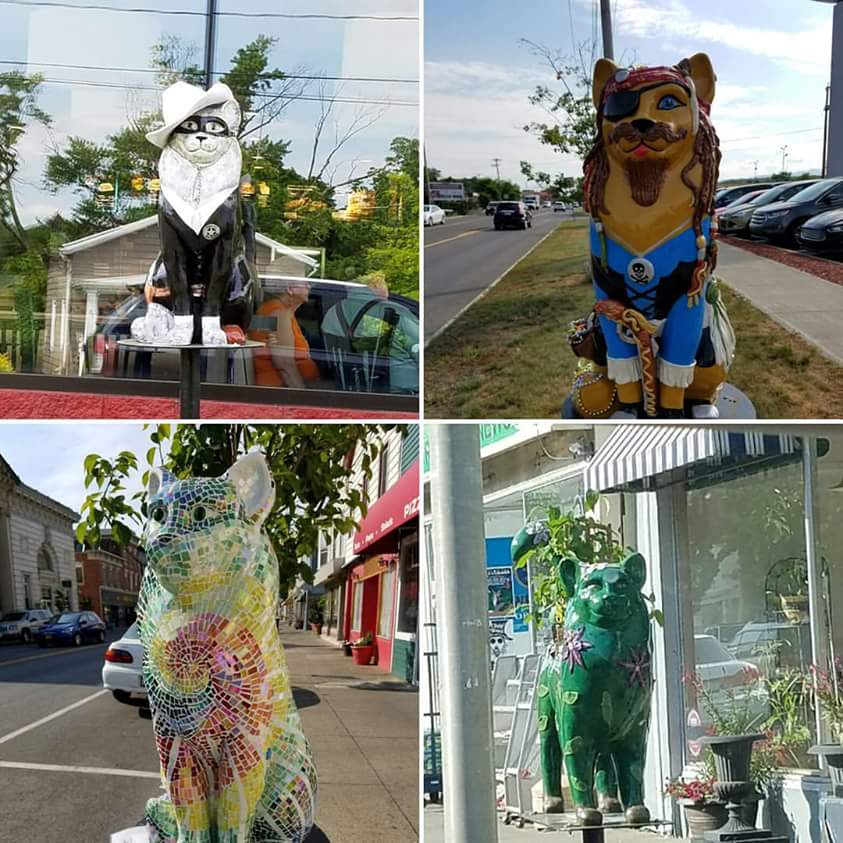
1 of 4 remaining smaller versions of a statue that stood on Wall Street in Manhattan.

Alexander Hamilton, who made New York his adopted home, who was married in Albany and spent summers there with his family, Chief of Staff to George Washington, traveling everywhere with him has made a resurgence in the Albany Capital Region (among other places including cementing his face on the ten dollar bill).
I’m a history buff, living in the heart of it, and I missed all of this in school; or I’d forgotten it. I don’t know which.

Lucky for us, however, sites in the area have jumped on the Hamilbandwagon and have set up special tours and exhibits. I recently went on a new tour at the Schuyler Mansion: “When Alexander Hamilton Called Albany Home.”

image

The front of the Schuyler Mansion. The porch and vestibule pictured were not there during the Schuylers' time in the house, but was kept during the restoration because of the renown of the architect.

The Schuyler Mansion is the home of Hamilton’s in-laws, Phillip and Catherine Schuyler, Catherine herself a member of the equally impressive Van Rensselaer family. It is also the place where Alexander married his dear Eliza, a small room about the size of my own living room in the magnificent expansive English manor house.

image

The Room Where it Happened. Alexander wed Elizabeth Schuyler in this room in front of a small group of family and friends.

A smaller room off the second hall served as a study for General Schuyler and was where Hamilton and Aaron Burr pored over legal texts when they worked together on a case. I have to admit, with the colorful green and the writing desk and books and maps, this was probably my favorite room and one I wouldn’t mind spending some time in behind the velvet rope.

image

Study where Alexander Hamilton and Aaron Burr looked over General Schuyler's massive book collection for their work as lawyers.

image

Those are actual books belonging to Phillip Schuyler.

image

In a recent article in the Albany Times-Union, a trifecta of Hamilton events were highlighted and the ones I’d like to share with you here today.

Put together by the Albany County Convention and Visitors Bureau, it includes information on the tour at the Schuyler Mansion that I mentioned earlier. Reservations are required and can be made by calling 518-434-0834 or visiting their website for more information.

The second part is a Free Walking Tour. Go to their website and download the PDF. This is the next item on my to-do list for this summer.

The third is an exhibit at the Albany Institute of History and Art titled, “Spotlight: Alexander Hamilton. Their information can be found at their website or by telephone at 518-463-4478.

Hamilton isn’t the only history to explore in this area. I hope to bring you a few more as the week progresses.

Eleanor Roosevelt’s Home at Val-Kill

Standard

On a recent road trip to see the in-laws I began to read Eleanor Roosevelt’s autobiography. I never remember that she and President Roosevelt were from New York, and so while reading it many of the places she mentioned were familiar to me: the capital of Albany, of course, GE in Schenectady, etc. I also never remember much about her other than that she was a strong, independent woman with a life apart from her husband’s. What struck me as unexpected was her description of herself as painfully shy, introverted and lacking in initiative and self-confidence. I think I literally laughed out loud. Even in my ignorance, I would never describe Eleanor Roosevelt as shy or lacking self-confidence.

Quite suddenly while we were heading back north I realized how close we’d be to Hyde Park, President Franklin D. Roosevelt’s family home (and now Presidential Library and Museum). I mentioned that I wanted to drive by, maybe walk around a bit and take pictures. It’s not far from our route, so it was no problem to divert for an hour or so on the way home.

When we arrived in the hamlet of Hyde Park, I looked for signs to guide us to the President’s home. I was excited, diverging from our planned itinerary for some local history. We followed the main road and then I saw something that would change our intended destination: a sign for the historic site of Eleanor Roosevelt’s home. The autobiography hadn’t gotten to talking about Val-Kill until after we left, but I’ve always admired Mrs. Roosevelt and decided that I would like to see the home of one of the smartest, independent, and inspirational heroes of the twentieth century.

I had already decided that I wouldn’t take the time to take the guided tour (the only way to see the inside of the cottage); it would take more time than I was willing to sacrifice, and I didn’t want to spend the money for so short a visit. My daughter wanted to accompany me, and I was really excited to include her. My daughter is her own independent, speak-her-mind, interesting, spirited young lady and Eleanor Roosevelt’s name is one that I’d like her to remember.

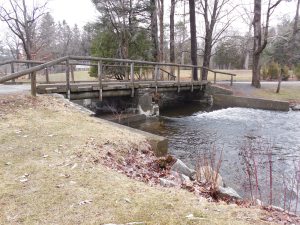
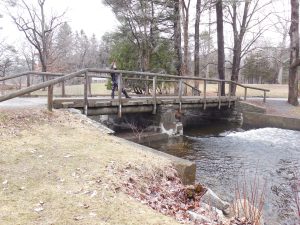
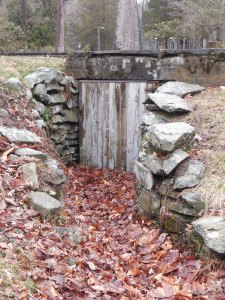
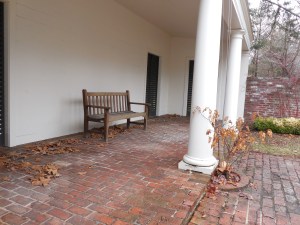
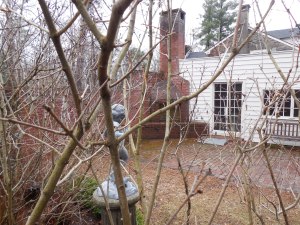
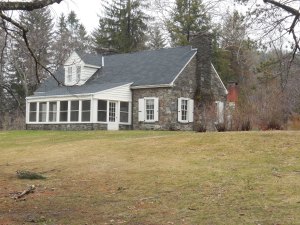
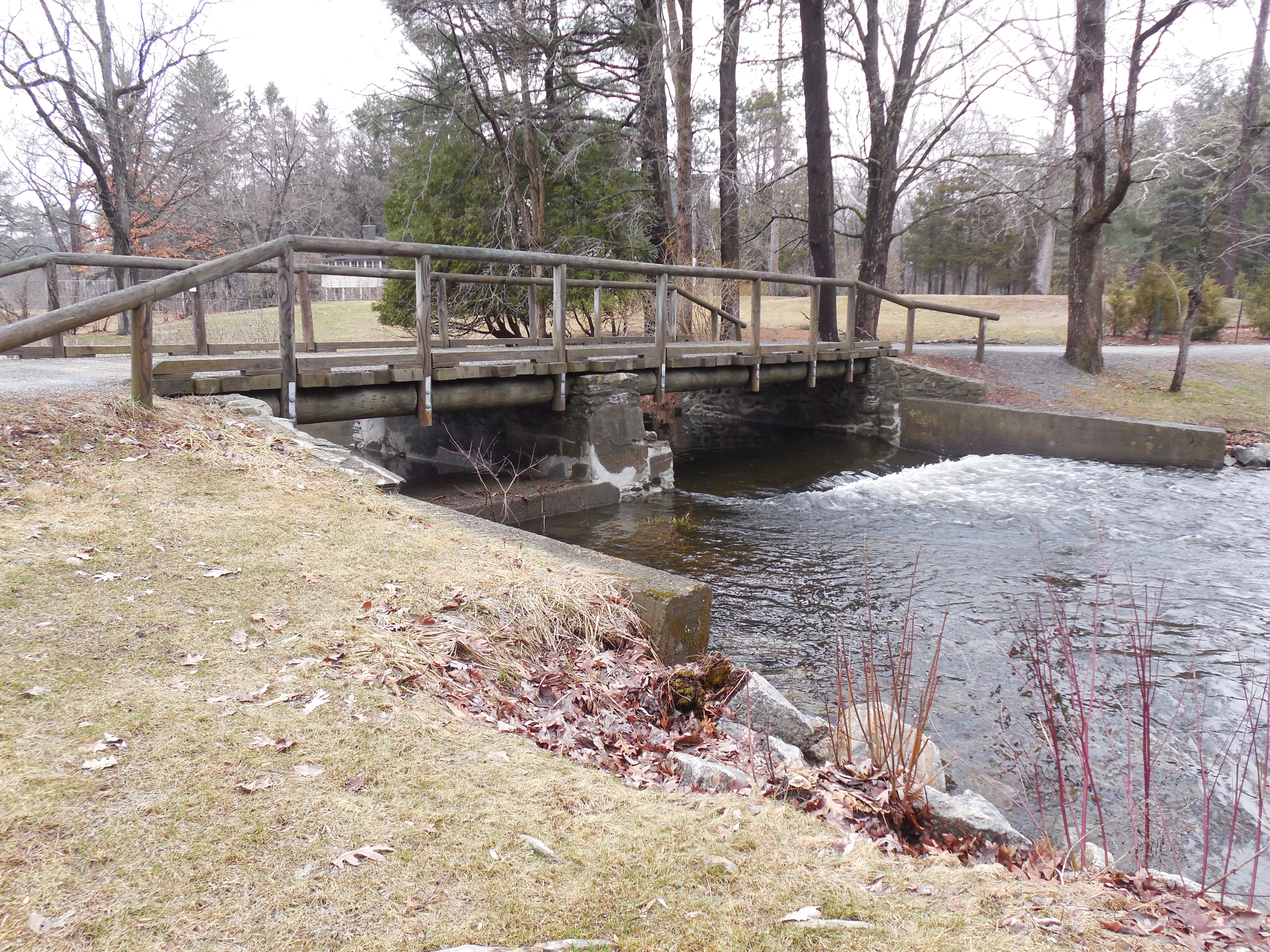
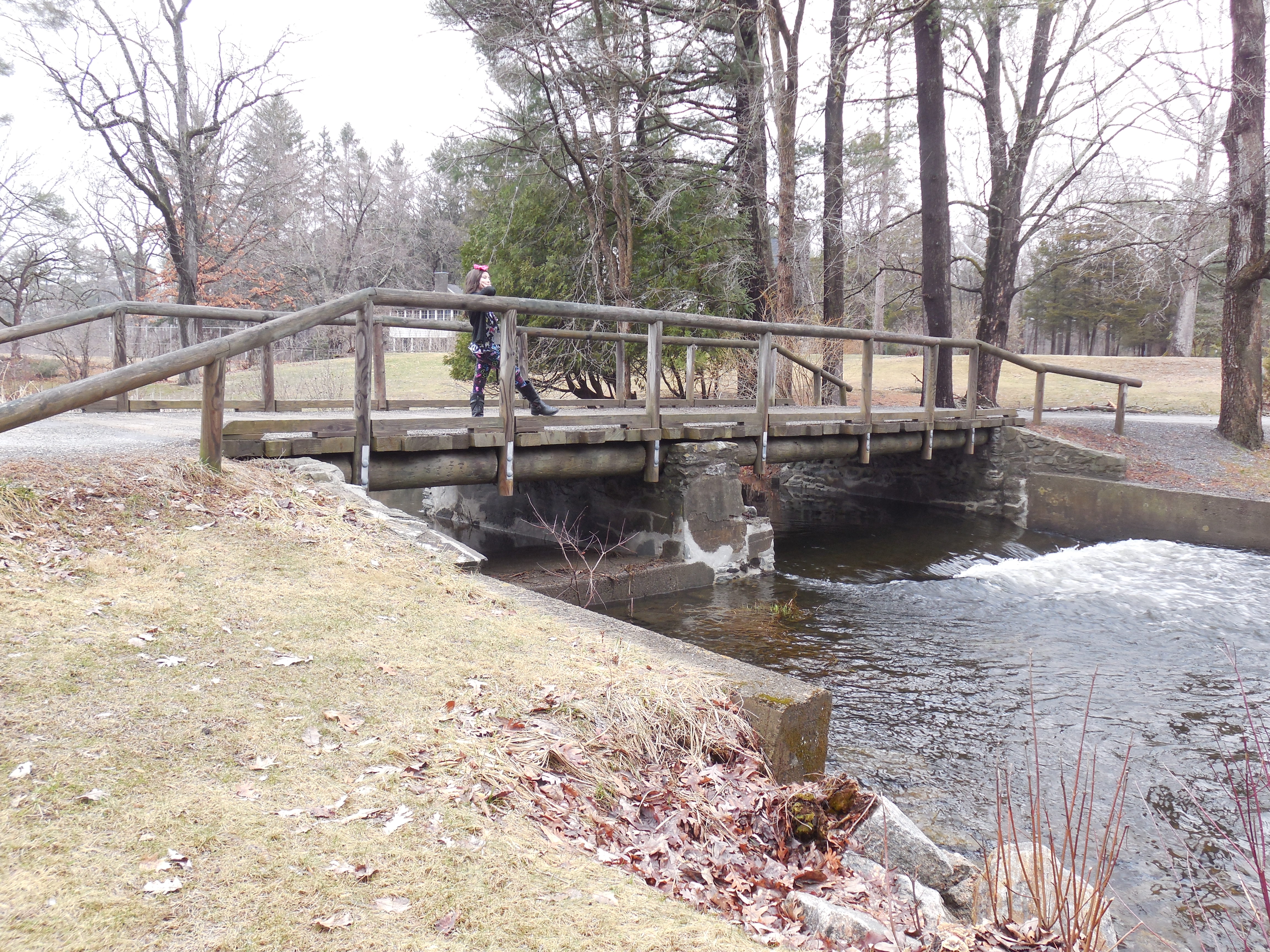
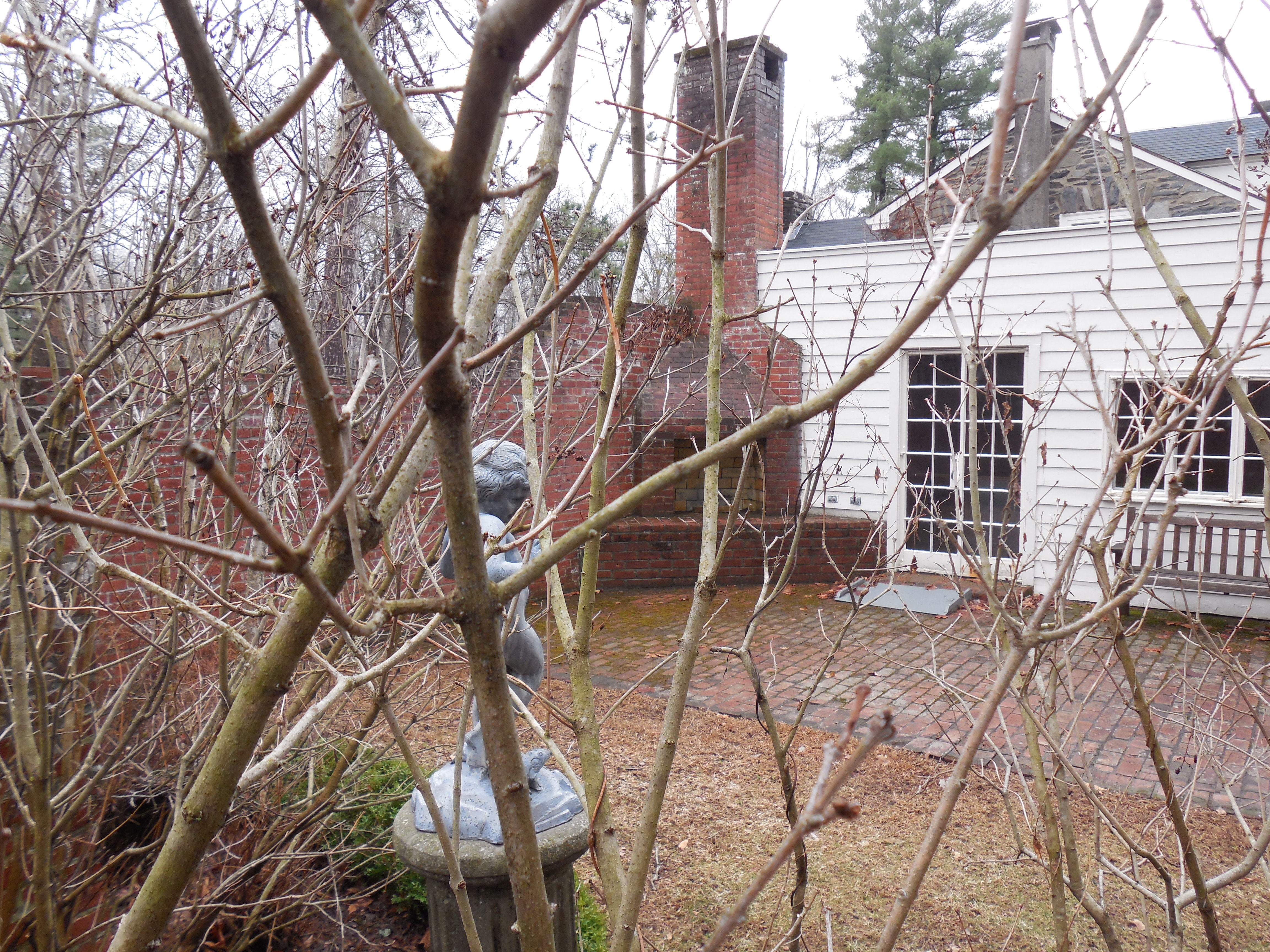
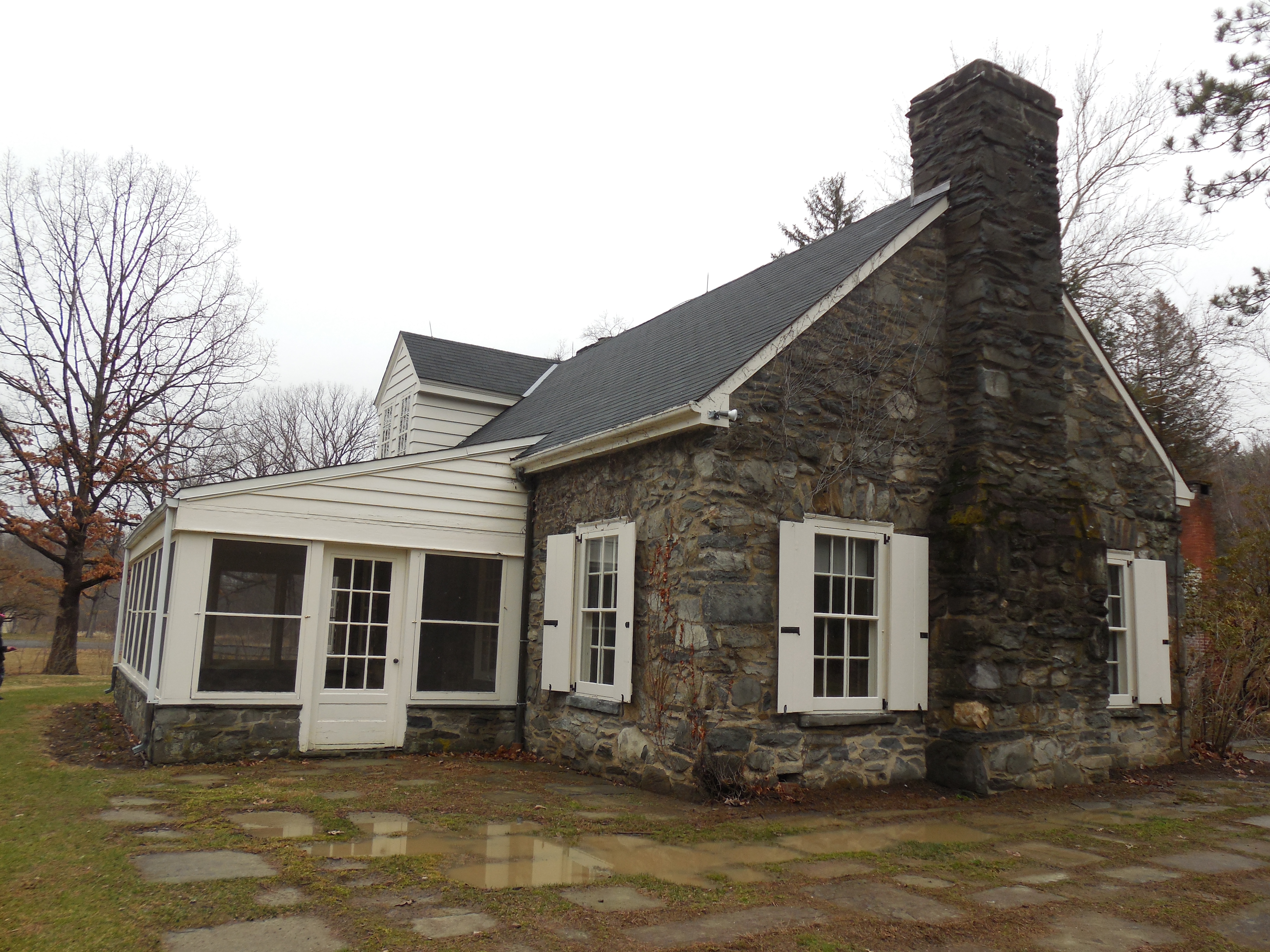
We wandered down the path (1, 2) and over the wooden bridge (3) taking photos along the way. There was a little door in the side of the hill with rock walls as tall as my daughter bordering it. (4) We took some more photos and she stood on top of the wooden deck slats.(5) She peeked between the slats and said that it was deep and empty. We walked around the cottage and down into what I presumed would be a very pretty fenced garden come summer time. (6) There was an outdoor fireplace. Coming around the back of the stone cottage there was a white wooden fence surrounding a courtyard with another outdoor fireplace and a cherub statue that might be a fountain when it’s not so cold as to freeze. (7, 8, 9)

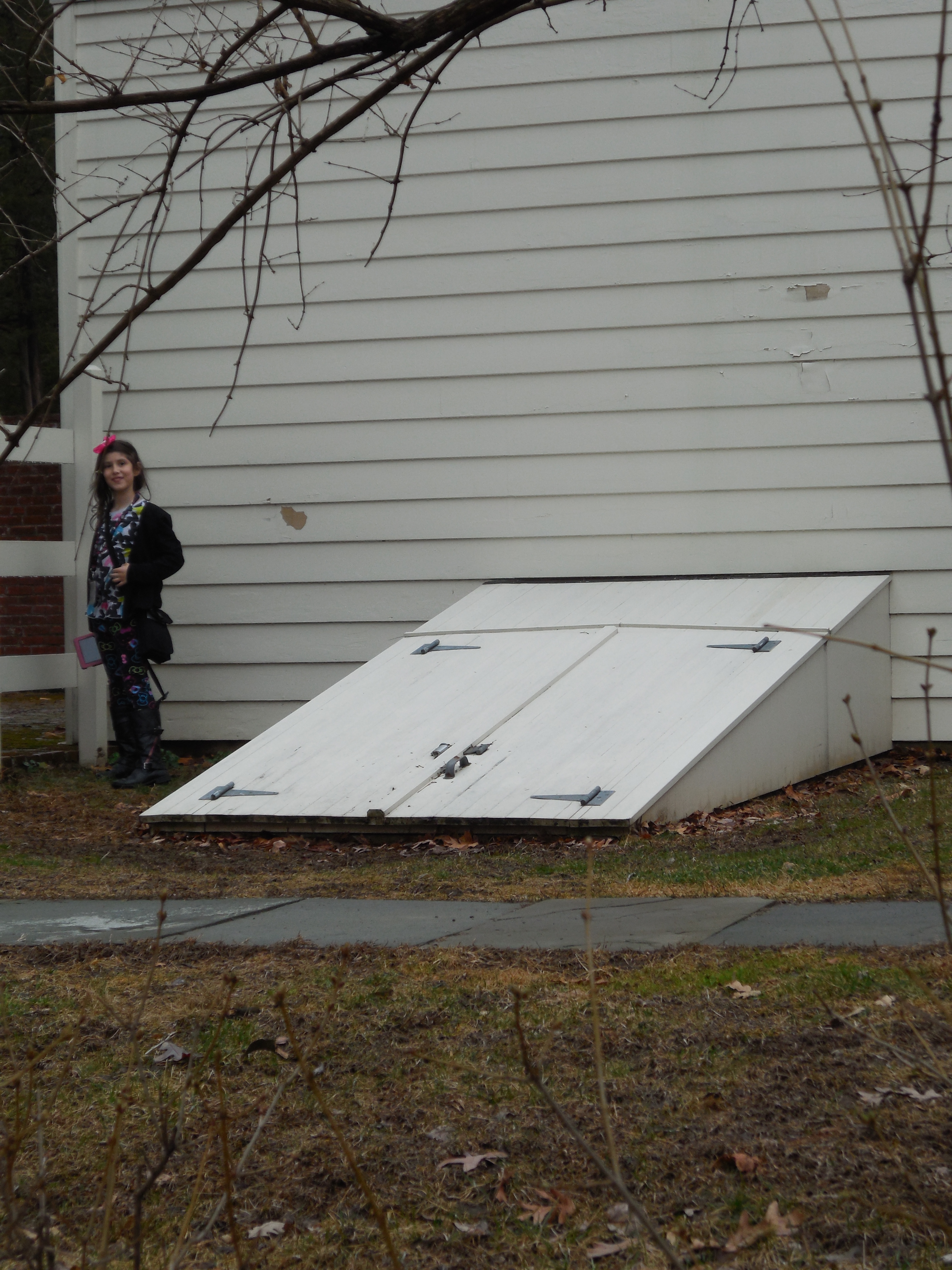
We looked in windows and over walls. We wandered through puddles and muddy paths, kicking rocks and listening to the water as it rushed under the bridge. My daughter tried to tug open the locked cellar as she imagined what treasures might be hidden down there. (10)

This was a unique travel moment that one can only hope for. Not only was I surprised that I thought of it before we had traveled past it, I was surprised that I followed through. It’s not as though I would have driven the two hours on just any weekday, although now that I’ve been to the place I might want to go back and take the actual tour.

Continuing to read the book after we left Val-Kill, I discovered through Eleanor’s words that she came here to live after Franklin died; subsequently giving their Hyde Park home to the government for the historical site, library and museum. This became her year round home, not the vacation retreat she enjoyed with her husband, and she did much of her work from here. She also spent time with her family and enjoying the solitude of the surrounding woods as she continued her writing and political work. I loved finding out that Franklin Roosevelt had contributed to the design and the building of this cottage. I put two and two together and found that the wooden slats that my daughter had been standing on was the swimming pool that the President enjoyed as part of his visits to Val-Kill and as part of his therapy and exercise for his legs after contracting polio. (5) Recognizing things there and from photos that I looked into from her autobiography really made this site come alive for me.

One of the best things about travel is the parts that come alive. I can picture Eleanor sitting in a chair with the stone cottage in the background behind her, the windows of the house open to let in the cool air from the stream and the wooded areas. I can hear the birds whisling, the water rushing, and the bees buzzing from flower to flower. I look around at her home and special place and I think iof how to maintain my own places and keep them special and where I can surround myself with the sounds and the scenery that will continue to inspire and give me that sense of stillness that I often seek.

Other Roosevelt items of interest include:

Marist College

The Culinary Institute of America, where the burial site of Pierre Teilhard de Chardin is

Town of Hyde Park

Franklin D. Roosevelt State Park

Franklin D. Roosevelt Presidential Library and Museum

A Tour of the Roosevelt Family’s New York

DSCN2297

(1)

DSCN2299

(2)

DSCN2305

(3)

DSCN2309

(3)

DSCN2320

DSCN2322 (4)

DSCN2324

(5)

DSCN2326

(6)

DSCN2332

(7)

DSCN2333

(8)

DSCN2335

(9)

DSCN2321   DSCN2325 DSCN2336

DSCN2329

(10)

\
The Grave Site of President Chester A. Arthur

Standard

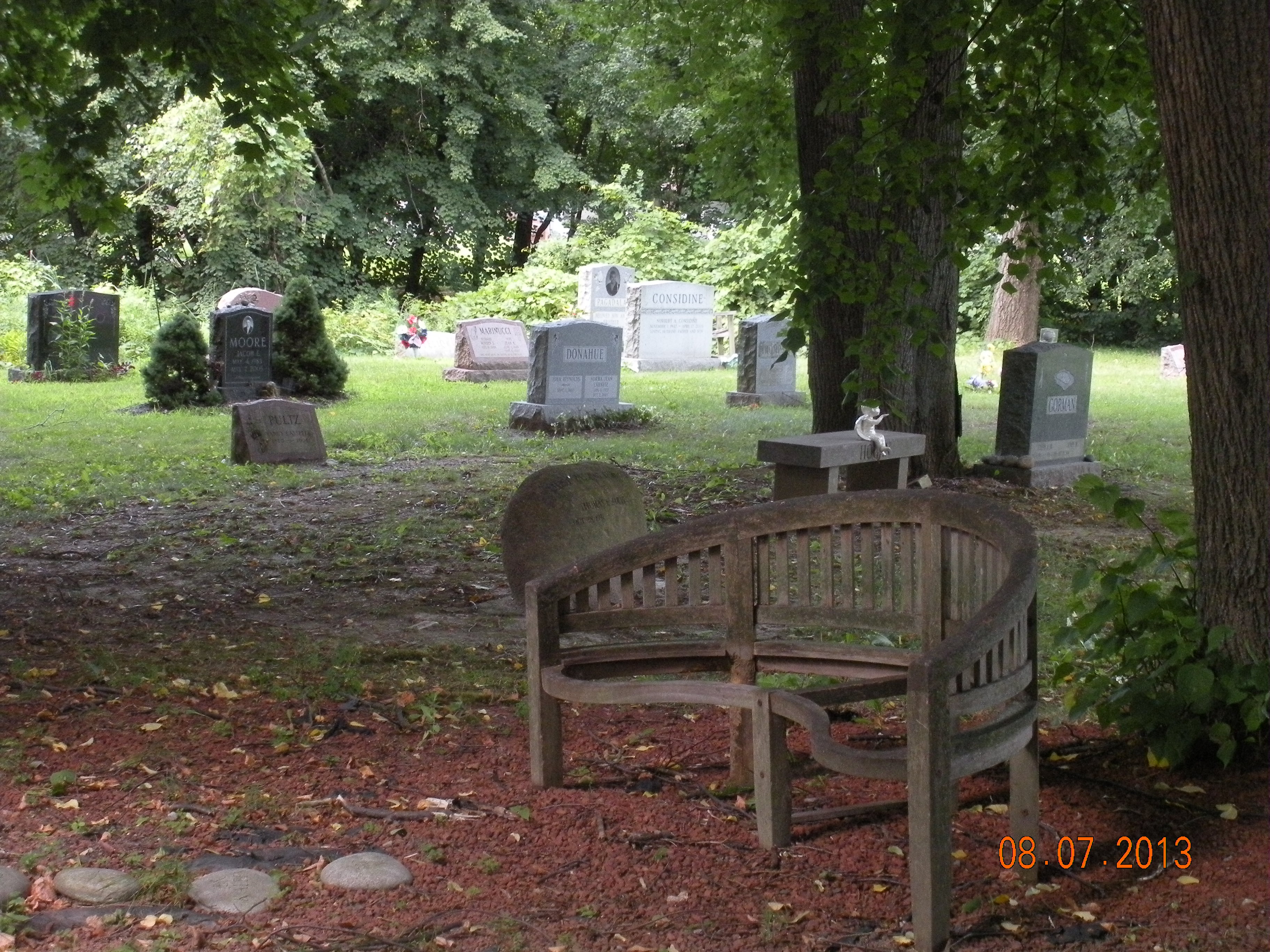
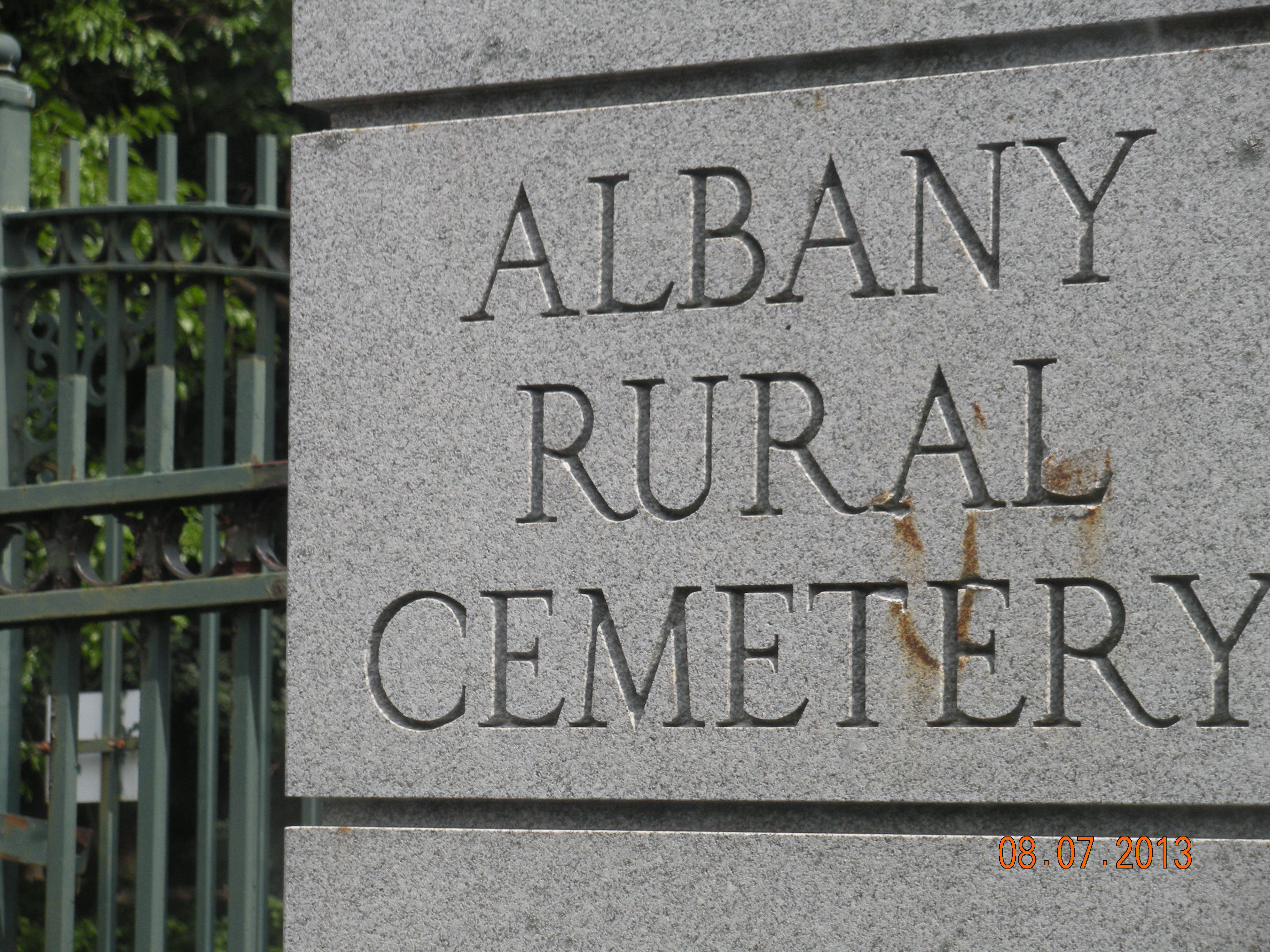
I recently took a drive out to the Albany Rural Cemetery outside of the New York State capital of Albany to visit the gravesite of President Chester A. Arthur, the 21st President of the United States. The cemetery is much larger than it appears upon driving through the gates. I’m told that the cemetery itself is 400 acres and I found it to be one of the more peaceful  places I’ve been to. It is spaced in a rolling way with hills and winding dirt/gravel narrow roads, large and small headstones and monuments, mid-19th century (some from before that had been moved there) to modern era as well as above ground burial areas. There is an abundance of nature with trees and creeks with natural stone walls, deep wooded areas and cool shaded spaces with benches and statuary. It felt a bit like some of the Gettysburg cemeteries for anyone that’s visited them, but I only felt the peacefulness rather than the spirits and ghost-like feelings reaching out that I feel in the Battlefields and Cemeteries of Gettysburg.

This cemetery began with 100 acres in 1841, and had its first burial in 1845, although some graves are from before that having moved from their original site at Washington Park. It is an active cemetery, and other than very famous names, I recognized my former Congressman’s father.

When I arrived at the President’s grave site, there was a groundskeeper trimming the grass. He chuckled and said to me, “My boss was right. Always weed whack over here first.” He then moved off so that I could get pictures. For all of the visitors you would think they get, there are no signs pointing the way. I did see one about the size of an interstate shield sign, but other than that, nothing. I ran into a jogger with her dog, and I asked her for directions to the President. She was not surprised that I could not find it on my own.

DSCN6368

DSCN6381

DSCN6432DSCN6367

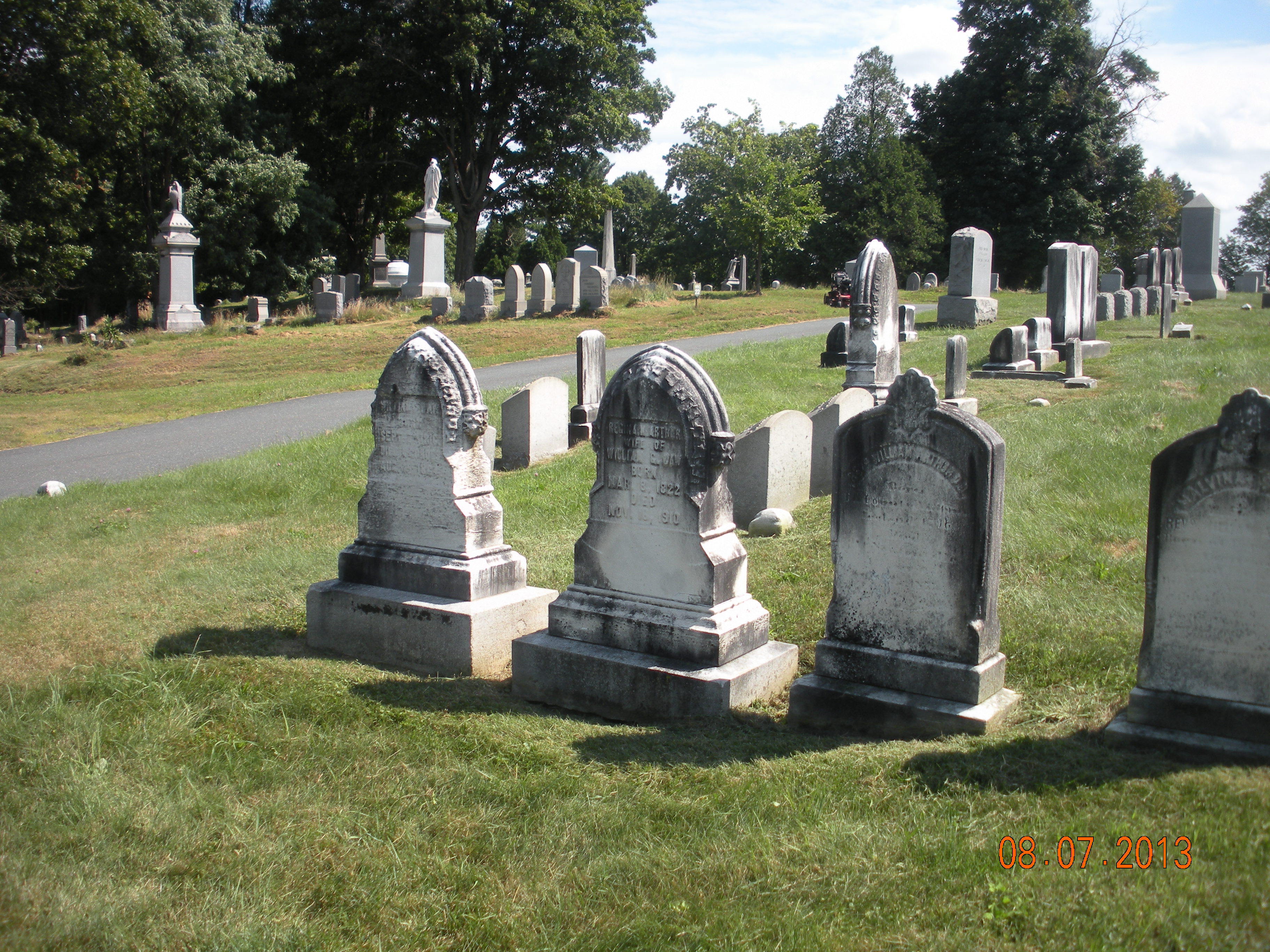
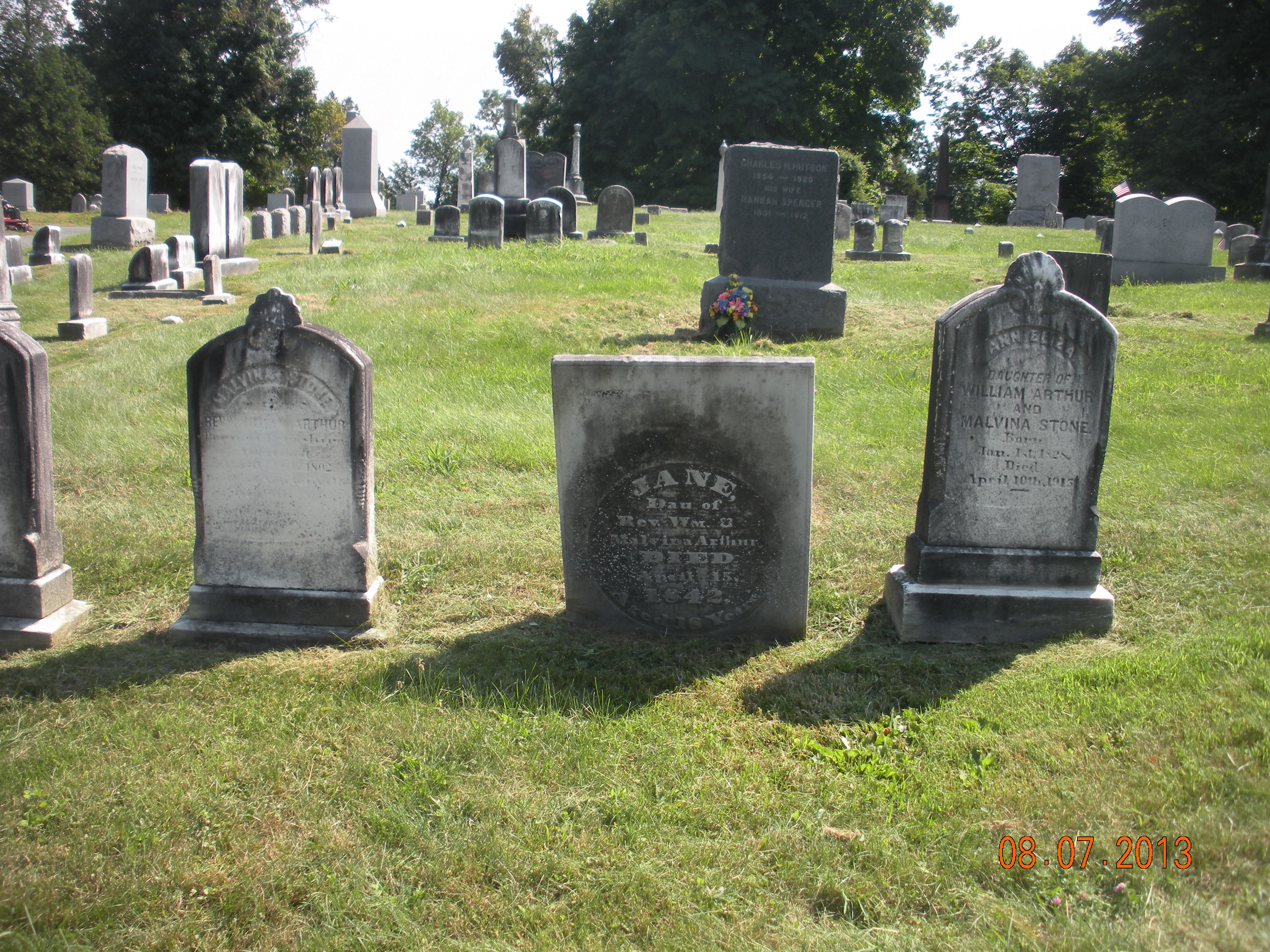
Below is the Arthur family plot.

DSCN6375 DSCN6374

DSCN6363

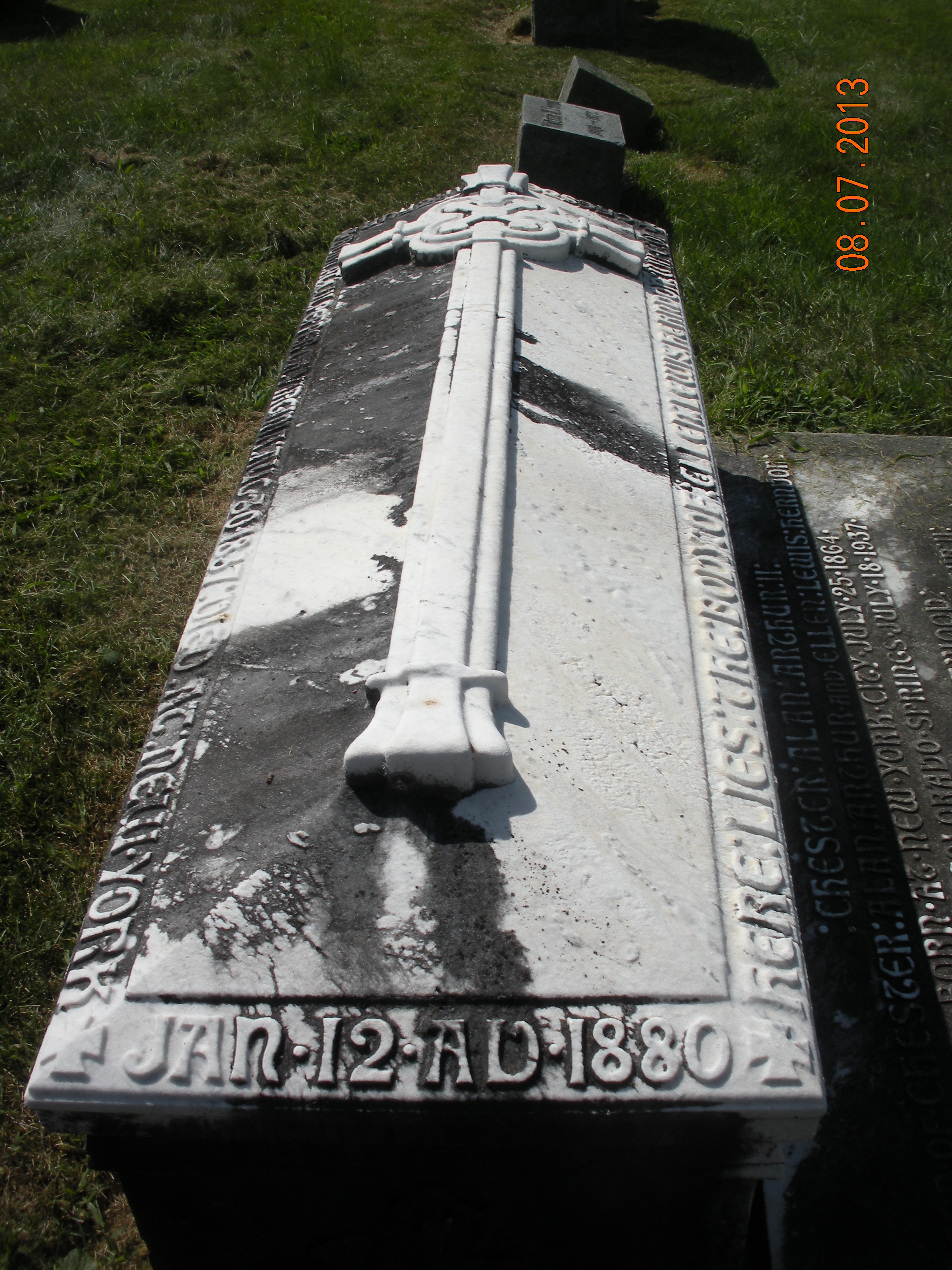
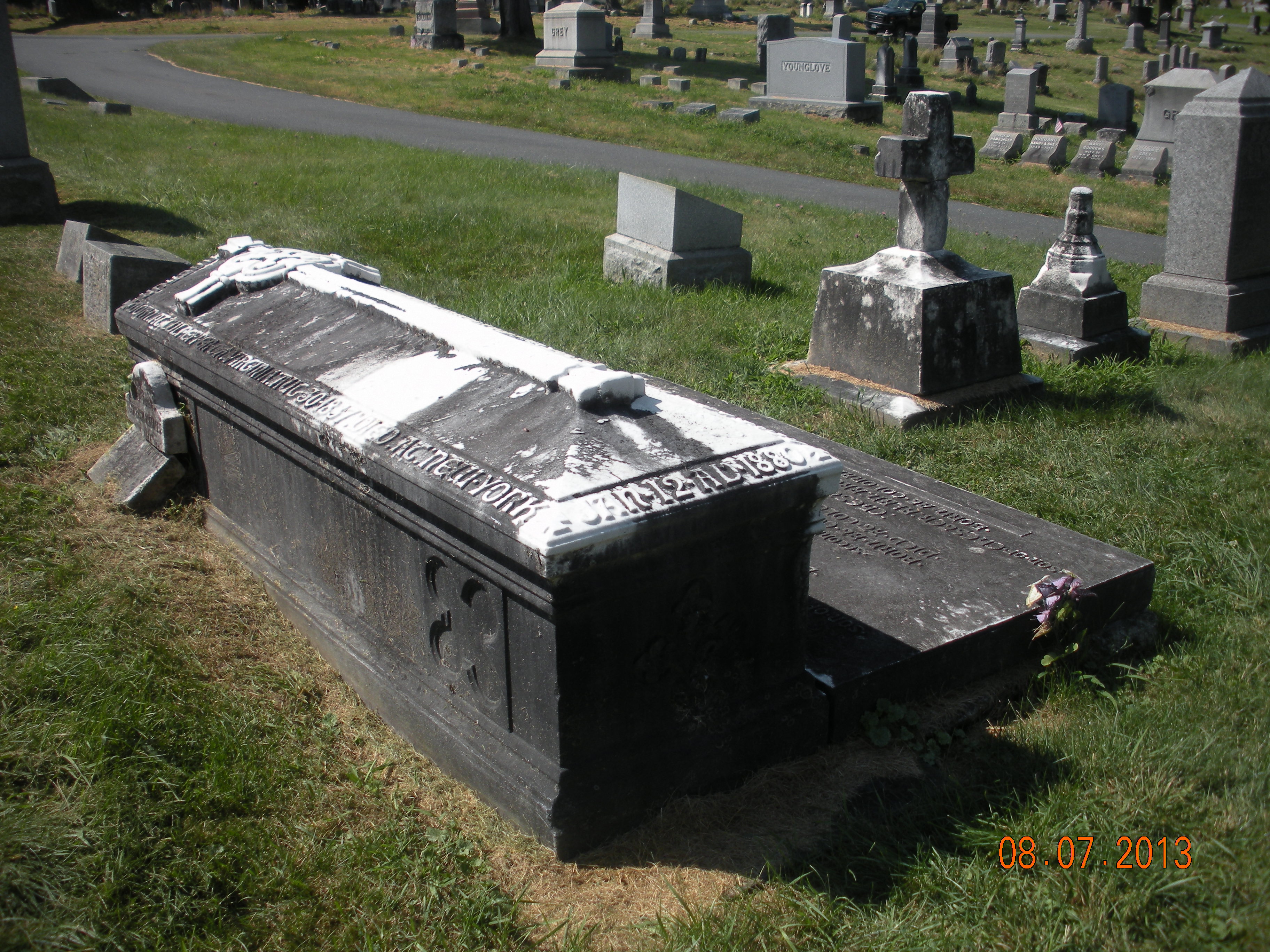
Behind the monument with the angel and Presidential Seal is the actual grave where President Arthur is buried alongside his wife.

DSCN6373DSCN6377 DSCN6376

It took me three tries to get the flag to wave just right behind the angel’s wings.

DSCN6370

I also have an affinity for taking pictures of things with a tree in the foreground.

DSCN6384

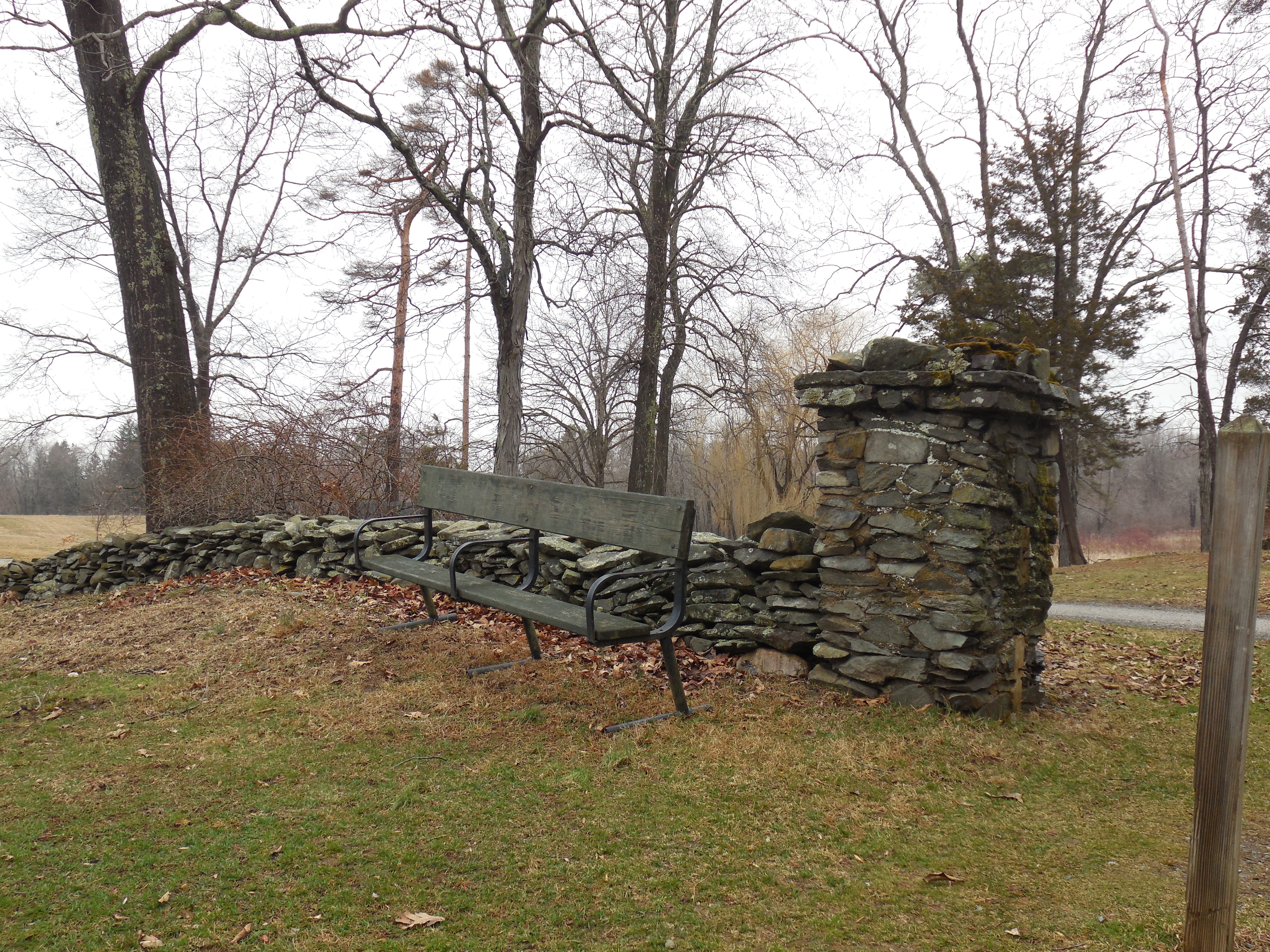
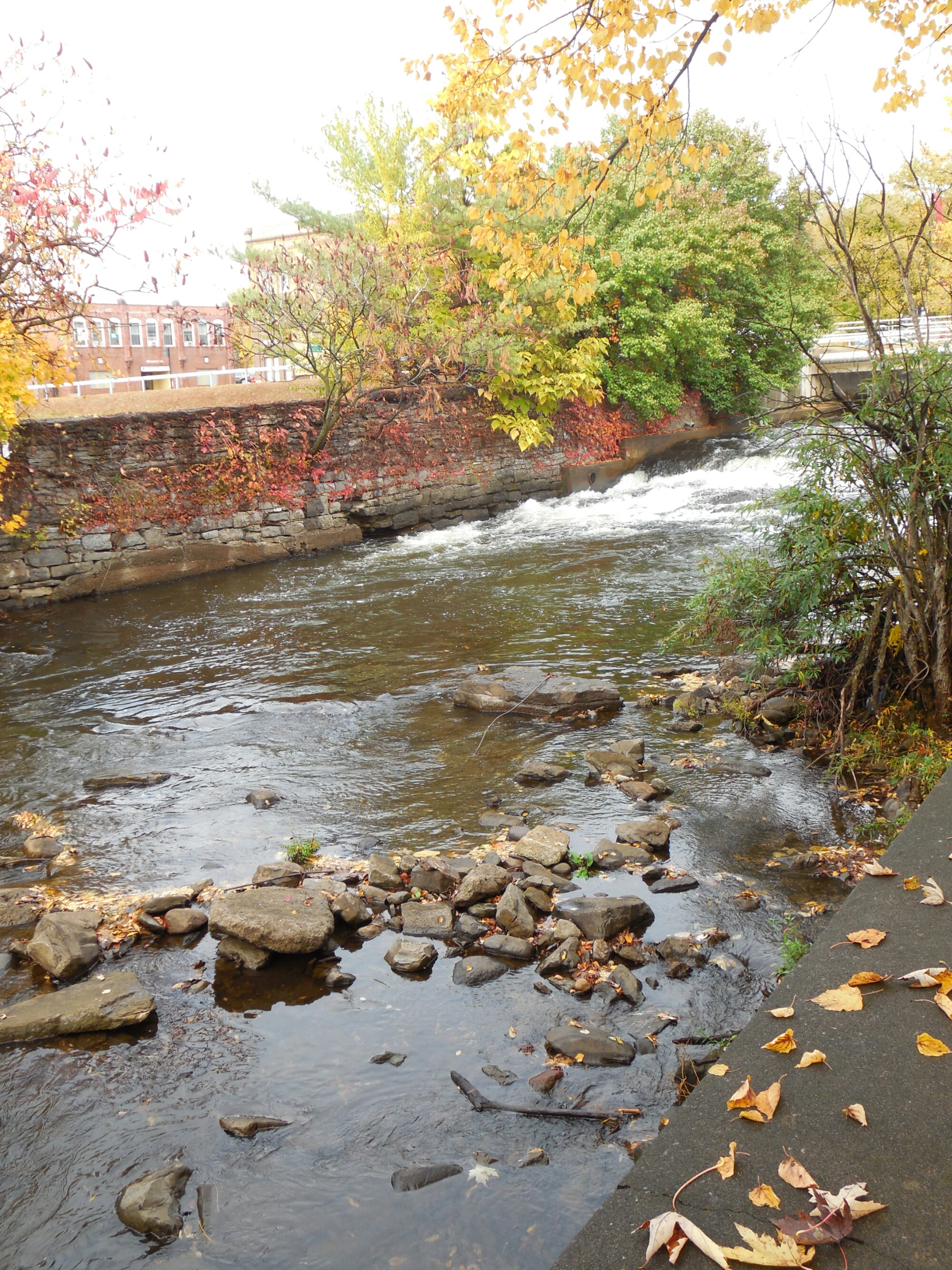
Some more photos from my day. The next two were where I happened upon the jogger. I saw a stone wall and flowing water and I needed to stop and get out of my car. I was really glad I did.

DSCN6355 DSCN6357 DSCN6385 DSCN6387

This stone was under a copse of trees. There’s a stone wall layered behind it, the topiary plus a few statuary pieces. This person really liked frogs apparently. The bench right across from this has that little stone path and is under its own tree; it is also missing the seat. I can imagine that this person’s spouse or parent would come to sit and visit. Sometimes, I wish that there was a bench by my parents’ graves; something that my mother wanted to put in had she lived longer to visit my Dad.

DSCN6392 DSCN6393

These last two are good examples of unexpected angles. Stand in just the right spot and it gives way to gobs of creativity and writing prompts. There is so much in the simplest photograph.

DSCN6399 DSCN6430